
Window Cleaning
How to Write a Window Cleaning Estimate That Wins the Job
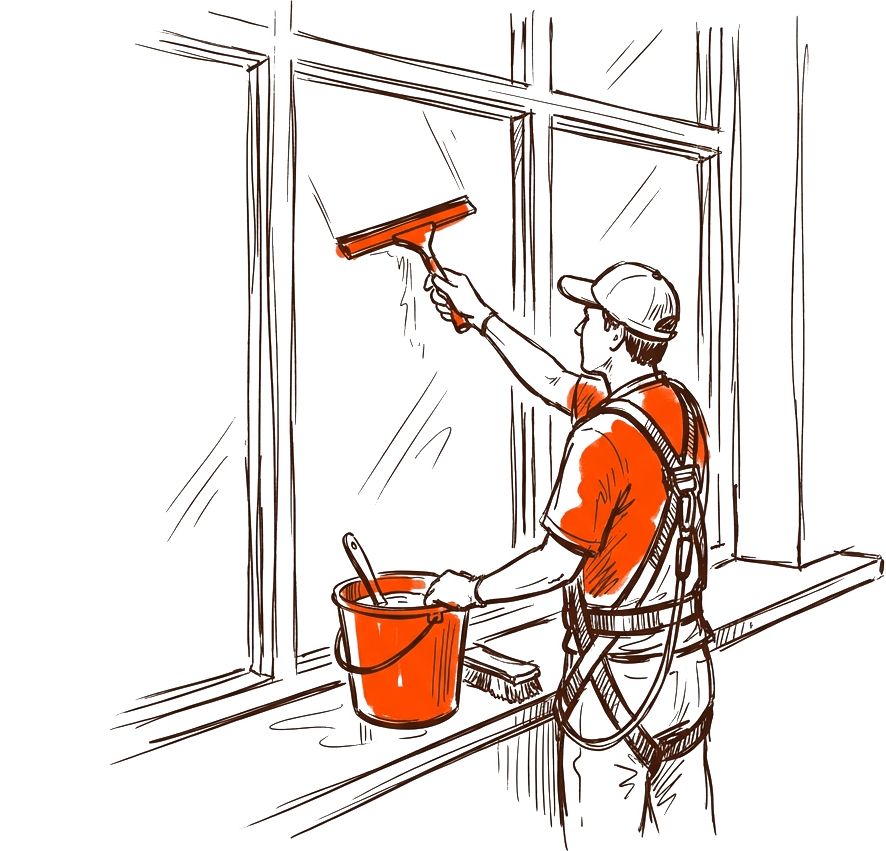
The window cleaning estimate is where you win or lose the job, and most crews leave money on the table because their quote is vague, slow, or looks like it was scribbled on a napkin. A clear, professional estimate does two things: it prices the work accurately so you actually make a margin, and it builds enough trust that the homeowner picks you over the two other guys who bid the same house. Here is how to build one, line by line.
Key takeaways
- Break your estimate into clear line items so the customer sees exactly what they are paying for.
- Offer 2 or 3 tiered options instead of a single number to raise your average ticket.
- Ask for a deposit on larger or first-time jobs to protect your schedule.
- Speed and branding matter: a same-day, professional-looking quote wins more work than a lower price sent three days late.
Start With an Accurate Walkthrough
You cannot write a good estimate off a phone call and a guess. Whether you do an in-person walkthrough or a video call, you need to count and note the specifics before you price anything. The number one cause of a blown margin is underestimating the scope, especially on interior work and hard-to-reach glass.
- Number of panes or windows, and whether they are single or double hung, casement, or fixed.
- Interior, exterior, or both, plus screens and tracks.
- Stories and access: ladders, extension poles, or a water-fed pole setup.
- Glass condition: hard water stains, paint overspray, or construction cleanup that needs extra labor.
- Add-ons the customer might want: skylights, French panes, storefront glass, or solar panels.
Field tip
French or grid windows take far longer per pane than plain glass. Count individual panes on those, not just the frame, or you will bleed your labor away for free.
What to Include Line by Line
A single lump sum makes the customer wonder what they are paying for. Itemizing the work does the opposite: it justifies your price and makes you look organized. Here is a clean structure that works for most residential and light commercial jobs.
- Header: your business name, logo, license or insurance note, phone, and the estimate date plus an expiration date.
- Customer and property info: name, service address, and job type.
- Scope line items: exterior windows, interior windows, screen cleaning, track cleaning, and any add-ons, each with a quantity and price.
- Subtotal, any discounts, tax if applicable, and the total.
- Deposit terms and accepted payment methods.
- Notes: what is not included, access requirements, and your satisfaction guarantee.
Spelling out what is not included is just as important as what is. If interior screens or second-story exterior work are excluded, say so plainly. That one line saves you the awkward argument on job day.
A Worked Numeric Example
Say you are quoting a two-story home with 24 windows, exterior and interior, plus screens and tracks. Here is a simple way to price it so the customer sees the logic.
- Exterior windows, 24 panes at 6 dollars each: 144 dollars.
- Interior windows, 24 panes at 5 dollars each: 120 dollars.
- Screen cleaning, 18 screens at 2 dollars each: 36 dollars.
- Track and sill detailing, flat: 40 dollars.
- Second-story access surcharge: 30 dollars.
That comes to a subtotal of 370 dollars. If this is a first-time customer, you might offer a 10 percent new-customer discount of 37 dollars, landing at a total of 333 dollars. The customer sees a fair, transparent breakdown instead of a mystery number, and you have documented every task so nobody is surprised later. Adjust the per-pane rates to your local market; the structure is what matters.
Present Options, Not One Take-It-or-Leave-It Price
When you give one number, the only decision the customer makes is yes or no. When you give tiers, the decision becomes which one, and that quietly raises your average ticket. Try a good, better, best layout.
- Good: exterior windows only. The budget option that still gets them a clean look from the curb.
- Better: exterior plus interior. Your most-picked package.
- Best: exterior, interior, screens, tracks, and a skylight or two. The full-service tier for people who want it done right.
Put the middle option in the visual center and describe it as your most popular. Most customers avoid the cheapest and the most expensive, so a strong middle tier does a lot of your selling for you. You can also offer a recurring plan, quarterly or twice a year, at a small per-visit discount to lock in repeat revenue.
Deposits and Payment Terms That Protect You
Deposits are not just for huge contracts. For a first-time customer or a larger job, a deposit filters out tire-kickers and protects the slot you are holding on your calendar. A typical range is 20 to 30 percent up front, with the balance due on completion.
- State the deposit amount clearly on the estimate, not verbally after the fact.
- List the payment methods you accept, including card, so you are not chasing checks.
- Note when the balance is due: on completion, same day, is standard.
- Include a short cancellation window so a last-minute no-show does not sink your day.
Getting paid on the spot beats invoicing and waiting every time. If you can collect a card payment the moment the crew packs up, your cash flow stays healthy and your accounts receivable stays near zero.
Speed and Branding Close the Deal
Here is the honest truth: the fastest professional quote usually wins, even against a slightly lower bid. When a homeowner requests three estimates, the one who sends a clean, branded quote within a few hours feels responsive and reliable. The guy who texts a number two days later feels like a gamble.
A branded estimate with your logo, clear line items, and a one-click way to accept and pay signals that you run a real business. It removes friction: no calling back, no waiting for a callback, no wondering if the price is real. Make it easy to say yes and more people say yes.
Brivium lets you build a branded window cleaning estimate on-site, send it in minutes, book the job into your schedule, and collect a card deposit right from the quote, so you win the work before your competitor even calls back.
Start free trialNail the walkthrough, itemize the scope, offer tiers, protect yourself with a deposit, and send it fast. Do that consistently and your close rate climbs without you dropping your prices.
Frequently asked questions
How much should I charge for a window cleaning estimate?
The estimate itself should be free. Price the job by counting panes, adding per-pane rates for interior and exterior, then surcharges for screens, tracks, and second-story access. Adjust rates to your local market and target margin.
Should I ask for a deposit on window cleaning jobs?
For first-time customers or larger jobs, yes. A deposit of 20 to 30 percent protects the schedule slot you are holding and filters out non-serious leads. For small repeat jobs, you can collect the full amount on completion.
How fast should I send a window cleaning estimate?
As fast as you reasonably can, ideally the same day. When homeowners collect multiple bids, the fastest professional-looking quote often wins, even over a slightly cheaper one that arrives late.
What should be included on a window cleaning estimate?
Include your business info and insurance note, the property details, itemized scope with quantities and prices, a subtotal and total, deposit and payment terms, and a clear list of what is not included.