
Tree Service
Hiring Your First Tree Service Employee
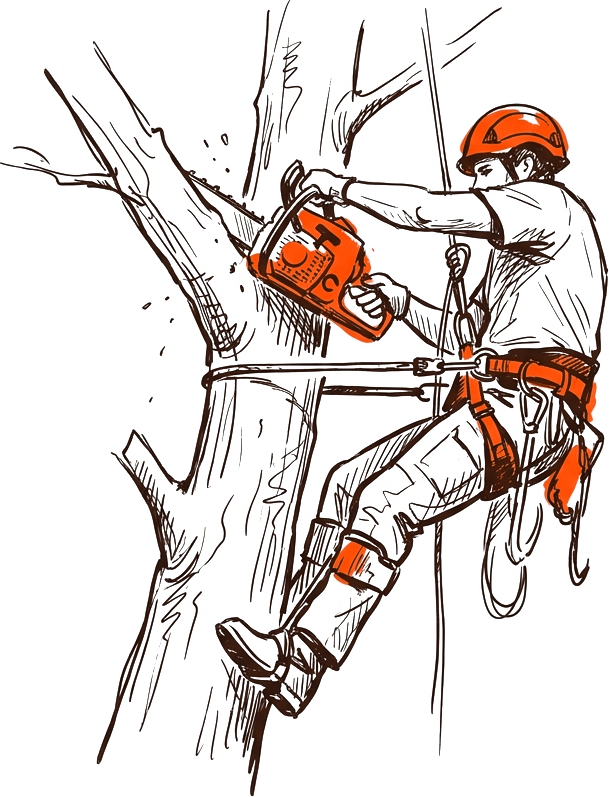
Going from solo climber to running a crew is one of the biggest jumps in the tree business. You know the work. What you may not know yet is whether you can actually afford a person, what to hand off first without blowing up your quality, and how to keep two or more people pointed at the right job on the right day. This is a contractor-to-contractor walkthrough of hiring your first tree service employee, with real numbers and the honest tradeoffs.
Key takeaways
- Hire when you are turning down work regularly and your backlog is 2-3 weeks or longer, not just when you feel busy.
- A first hire should carry a fully loaded cost well above their hourly wage once you add taxes, insurance, and gear.
- Delegate ground work first: dragging brush, chipping, cleanup, and loading. Keep the saw and the customer in your hands at first.
- The real risk after hiring is coordination, so lock down one shared schedule and one place for job notes before day one.
Know when the numbers actually justify a hire
Feeling swamped is not the same as being ready to hire. The cleaner signal is demand you cannot serve: you are quoting more jobs than you can complete, your booked-out window keeps stretching, and customers are going cold because you cannot get to them for weeks. When you start losing good jobs to the next guy, that lost revenue is the real cost of staying solo.
The other half is capacity. One person can only safely do so much in a day. A second set of hands on the ground often lets you take on bigger removals, finish faster, and stack two medium jobs in a day instead of one. If your calendar is consistently full and your estimate pipeline keeps growing, the math usually points toward a hire.
A quick gut check
If you have had a 2 to 3 week backlog for two straight months and you are still saying no to work, you are probably past due for help, not early.
Run the real cost, not just the wage
The number that trips up new employers is the gap between the wage you quote and what the hire actually costs. Payroll taxes, workers comp (which is not cheap in tree work), general liability impact, gear, and non-billable time all stack on top.
Here is a simplified worked example. Say you pay a groundman 20 dollars an hour. Your fully loaded cost per worked hour might look like this:
- Base wage: $20.00
- Payroll taxes (roughly 8-10%): about $1.80
- Workers comp for tree work (high-risk class, often 15-30%+ of payroll): about $4.00
- General liability and other insurance share: about $1.00
- Gear, PPE, training, and non-billable travel/shop time spread across the hour: about $2.00
That puts you near 28 to 29 dollars per worked hour against a 20 dollar wage. Rates vary a lot by state and carrier, so treat this as a typical shape, not a quote. The takeaway: budget a fully loaded cost of roughly 1.4 to 1.6 times the wage, and price your jobs so that cost is covered with margin on top.
Now the upside. If a second person lets you complete one extra 1,200 dollar job per week, that is about 60,000 dollars of added annual revenue. Against a loaded labor cost in the low 60,000s for a full-time groundman, the hire can pay for itself quickly once you keep both of you billable. The failure case is an employee standing around half the day. Utilization is everything.
Decide what to delegate first
Your instinct may be to find another climber. For a first hire, that is usually the wrong move. Climbers are harder to find, cost more, and are riskier to misjudge. Most owners get more leverage from a strong groundman who frees you up to stay in the tree and run the job.
Hand off the physical, repeatable, lower-risk work first:
- Dragging and hauling brush to the chipper
- Running the chipper and keeping the drop zone clear
- Raking, blowing, and final cleanup
- Loading logs and gear, basic saw work on the ground as skill grows
- Setting up cones, signage, and the work area
Keep the things that protect your business for yourself at the start: the climbing and rigging, the saw decisions near structures, the customer conversation, and the quote. Those are where mistakes cost you money and reputation. Delegate the muscle before you delegate the judgment.
Hire for attitude and safety, train the rest
Tree work is dangerous, and a new groundman does not need to be an expert to be valuable. They need to show up, follow instructions exactly, and respect the hazards. Skills can be taught. A casual attitude around a running saw or a loaded rope cannot be fixed easily.
When you interview, be blunt about the job: early mornings, heavy lifting, heat, and strict rules around the drop zone. Watch how they respond to the safety talk. The person who leans in and asks questions is worth more than the one with a year of experience and a shrug.
- Do a working interview or a paid trial day before committing. You learn more in four hours of brush dragging than in any conversation.
- Handle the paperwork up front: verify work eligibility, set up payroll and withholding, and confirm your workers comp covers the new headcount.
- Write a one-page job description and a short safety checklist so expectations are not a mystery.
- Set a clear 30 to 60 day check-in so both of you know where things stand.
Keep jobs coordinated once you are a crew
When it was just you, the schedule lived in your head. That stops working the moment someone else is in the field. The biggest hidden cost of a first hire is not the wage, it is the drag of poor coordination: wrong address, missing gear, no gate code, a job that got moved but nobody told the groundman.
Get these basics locked before the first shared workday:
- One shared schedule everyone can see, so nobody shows up to the wrong site or the wrong time.
- One place for job details: address, scope, access notes, hazards, and what gear to load.
- A clear morning routine: where to meet, who loads what, and the first job of the day.
- A simple way to confirm a job is done and ready to invoice, so cash does not sit.
The goal is that your groundman can get the day started even if you are tied up on a quote. Information in your head is a bottleneck. Information everyone can see is a crew.
Brivium keeps a two-person crew pointed the same direction: send branded quotes, drop jobs onto one shared schedule with access notes and hazards, and take card payments the moment the work is done so you are not chasing checks.
Start free trialProtect your quality and your margin
A new hire changes your reputation whether you want it to or not. Set the standard early: how cleanup should look, how to treat the customer's property, and when to call you over instead of guessing. A job site that looks spotless when you leave is still your best marketing, and a new groundman either protects that or chips away at it.
On the money side, review your pricing after the hire. If you are still quoting solo rates but now paying a second person, your margin quietly shrinks. Build the loaded labor cost into every estimate, and track which job types stay profitable with a crew. Hiring should make the business stronger, not just busier.
Growing from solo to a crew is mostly a discipline shift. The work you already know. The new skills are running the numbers honestly, delegating the right tasks, and keeping everyone coordinated. Get those three right and your first hire becomes the foundation of a real operation instead of an expensive headache.
Frequently asked questions
When should a solo tree service owner hire their first employee?
When demand consistently outruns capacity: you have a 2 to 3 week backlog, you are turning down work, and your estimate pipeline keeps growing. Feeling busy is not enough on its own.
Should my first tree service hire be a climber or a groundman?
Usually a groundman. They are easier to find, lower cost, and lower risk. A strong groundman frees you to stay in the tree and run the job, which is where most of your value is.
How much does a tree service employee really cost beyond their wage?
Plan for a fully loaded cost of roughly 1.4 to 1.6 times the hourly wage once you add payroll taxes, workers comp for high-risk tree work, insurance, gear, and non-billable time.
What is the biggest mistake owners make after their first hire?
Poor coordination. Without one shared schedule and one place for job details, you get wrong addresses, missing gear, and idle labor. Lock down scheduling and job notes before day one.