
Garage Doors
Should Garage Door Contractors Take a Deposit?
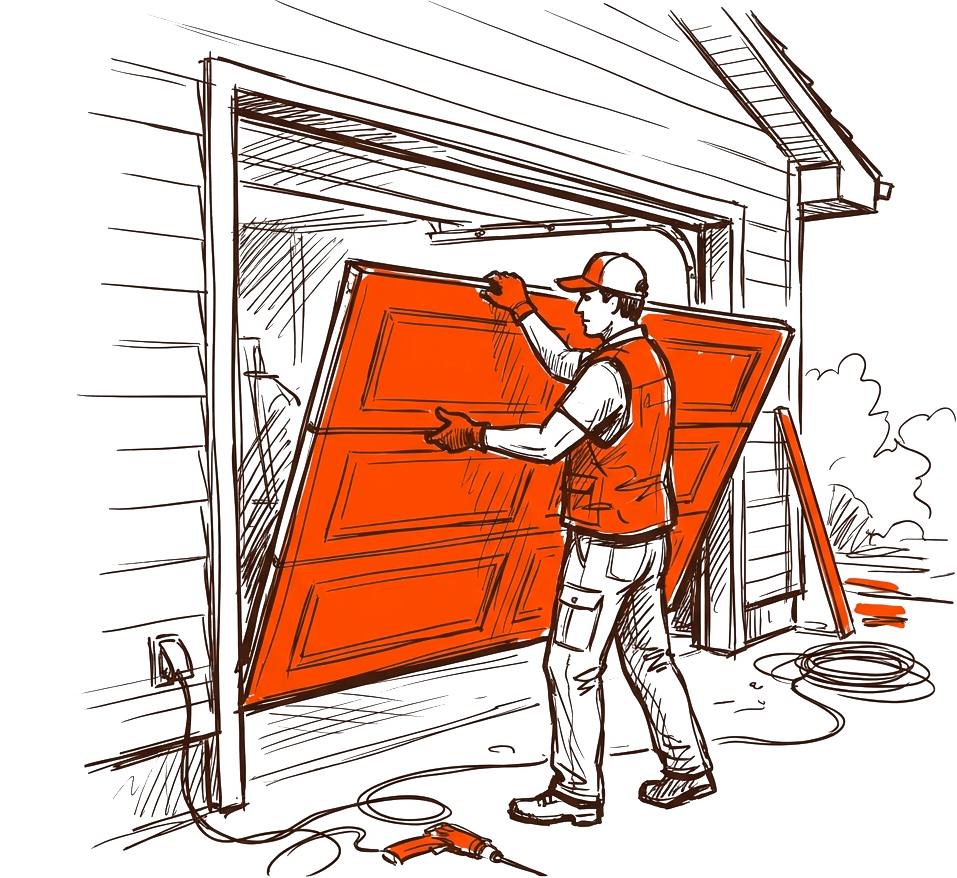
Garage door work is material-heavy. A single custom carriage-house door with insulated panels, decorative hardware, and a new opener can tie up thousands of dollars in parts before you ever touch a wrench. If you order that door and the customer ghosts you, you are holding inventory you may not be able to resell. A deposit is the simplest way to stop fronting your own cash on other people's projects. The question is not whether deposits make sense, it is when to ask, how much, and how to say it without scaring off the sale.
Key takeaways
- Take a deposit on any job where you pre-order custom or special-order materials, since those parts are hard to resell.
- A typical range is 30 to 50 percent of the total, or enough to cover your out-of-pocket material cost plus a cushion.
- Skip deposits on small, same-day repairs where you already carry the parts on the truck.
- How you explain it matters more than the number. Frame it as securing the order, not as mistrust.
When a Deposit Actually Makes Sense
Not every garage door job needs a deposit. The deciding factor is almost always how much of your own money is at risk before you can collect. Ask yourself: if this customer walked away tomorrow, what would I be stuck with?
Deposits make the most sense on these jobs:
- Custom or special-order doors, where panel color, window inserts, or size are locked to one customer.
- Insulated or high-end doors with long lead times from the distributor.
- Jobs that bundle a door plus opener, rails, and smart accessories into one big material order.
- Larger commercial or multi-bay work where the parts bill climbs fast.
- Any new customer you have never worked with where the total is significant.
For a spring swap, a broken cable, a roller replacement, or an opener repair where you already stock the parts, a deposit is usually overkill. You show up, do the work, and collect on the spot. Asking for money up front on a 20-minute repair just adds friction.
How Much Should You Charge?
The goal of a deposit is to cover your exposure, not to pad your account. Most garage door contractors land somewhere between 30 and 50 percent of the job total. The cleaner way to think about it is this: your deposit should at least cover your out-of-pocket material cost, plus a small cushion for restocking fees or your time.
If your distributor charges you a restocking fee or does not accept returns on special orders, bake that into the deposit. You should never be able to lose money on a canceled job where you already paid for the door.
Rule of thumb
Your deposit should cover your material cost plus any non-refundable supplier fees. Everything past that is cushion. If you cannot return the door, do not collect less than the door costs you.
A Worked Example
Say you quote a custom insulated double door with a new opener at 3,400 dollars total. Here is roughly how the money breaks down:
- Door and hardware: 1,500 dollars (special order, non-returnable).
- Opener and accessories: 500 dollars.
- Labor: 900 dollars.
- Margin and overhead: 500 dollars.
Your hard out-of-pocket cost before you can install is about 2,000 dollars in parts, and the door alone is 1,500 dollars you cannot get back if the customer cancels. A 30 percent deposit is 1,020 dollars, which does not even cover the door. That is too thin.
A 50 percent deposit is 1,700 dollars. That covers the non-returnable door, most of the opener, and leaves a little cushion. Now if the customer disappears after you order, you are protected on the one thing you cannot resell. Collect the remaining 1,700 dollars on completion. That is the right structure for a material-heavy job.
How to Explain It So the Customer Says Yes
Most customers have paid deposits before, for cabinets, countertops, windows, HVAC units. The ones who push back usually do so because the ask felt vague or defensive. Your job is to make it sound routine, because it is.
A few lines that work:
- "Because your door is custom-built to your size and color, we collect half up front to place the order with the manufacturer. The balance is due when the install is done and you are happy."
- "This locks in your price and your spot on the schedule. Materials have been moving around on us, so securing the order protects your number too."
- "The deposit goes straight toward your door. It is not an extra fee, it is part of the total you already approved."
Notice the tone. You are not protecting yourself from them, you are securing their order and their price. Tie the deposit to a benefit the customer gets: a guaranteed price and a confirmed schedule date. When the deposit feels like it buys them something, the objection usually goes away.
Put it in writing
Always state the deposit amount, what it covers, and your cancellation policy on the quote before the customer signs. A clear line like "50 percent deposit required to order materials, non-refundable once the custom door is placed" prevents chargebacks and awkward phone calls later.
How Deposits Protect Your Cash Flow
Deposits are not just insurance against deadbeats. They keep your operating cash from getting trapped in other people's driveways. On a material-heavy week, you might have three or four big doors on order at once. Without deposits, you are floating five figures of your own money and waiting on net terms from everyone. One slow-paying customer can leave you short on payroll.
When you collect a deposit, the customer funds the material order instead of you. Your cash stays liquid, your credit line stays open for emergencies, and you are not borrowing against your own margin to do someone a favor. Over a busy season, that difference is the gap between constant stress and steady breathing room.
The friction most contractors run into is collection. Asking for a check, waiting for it to clear, chasing a customer who "forgot." The faster and easier the deposit is to pay, the more often you actually get it before you order parts.
Brivium lets you send a branded quote with the deposit built in, collect card payment the moment the customer approves, and lock their install date on the schedule, so your materials order is funded before you ever call the supplier.
Start free trialA Simple Deposit Policy You Can Use
If you want a starting point, adapt this and make it your standard:
- Same-day repairs with stocked parts: no deposit, collect on completion.
- Standard doors with short lead times: optional deposit, 25 to 30 percent for new customers.
- Custom or special-order doors: 50 percent deposit, non-refundable once the order is placed, balance due on completion.
- Large commercial jobs: deposit sized to cover all pre-ordered materials, with progress payments if the job runs multiple phases.
Write it down, put it on your quotes, and apply it the same way every time. Consistency is what makes deposits feel normal to customers and keeps your crew from having to improvise the conversation on every estimate.
Frequently asked questions
Is a garage door deposit legal to require?
Yes. Requiring a deposit is standard and legal for material-heavy custom work in the US. Just state the amount, what it covers, and your refund policy clearly on the written quote before the customer agrees.
How much deposit should I take on a custom garage door?
A typical range is 30 to 50 percent. At minimum, the deposit should cover your non-returnable material cost plus any supplier restocking fees, so you cannot lose money if the job is canceled after you order.
Should I take a deposit on a small garage door repair?
Usually not. If you already carry the parts on your truck and finish the same day, a deposit just adds friction. Collect the full amount on completion instead.
What is the best way to explain a deposit so customers do not push back?
Frame it as securing their custom order, their price, and their schedule date, not as mistrust. Note that the deposit goes straight toward the total they already approved, and make it easy to pay on the spot.