
Flooring
Should Flooring Contractors Take a Deposit?
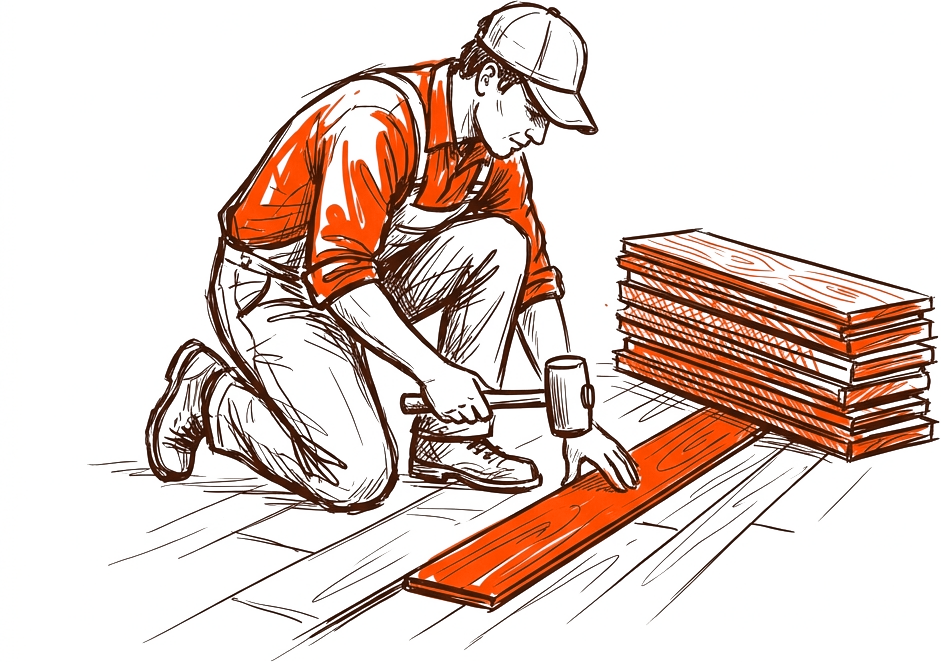
You just priced a 1,200 square foot luxury vinyl plank job. The material order alone is north of $4,000, and the supplier wants payment before they release it. If you front that cash and the customer stalls, you are financing someone else's floor. This is exactly why the question of taking a flooring deposit matters more in your trade than in almost any other. Let's talk through when to ask, how much, and how to say it so the homeowner nods instead of flinching.
Key takeaways
- Take a deposit on any job where you pre-order material or carry meaningful upfront cost.
- A typical flooring deposit runs 25 to 50 percent, often sized to cover materials plus a little labor float.
- How you explain the deposit matters as much as the number: frame it around locking in material and scheduling.
- Deposits protect cash flow, but written terms and clean payment records protect the relationship.
When a flooring deposit makes sense
Not every job needs a deposit, but most flooring work does because your material cost is high relative to the total ticket. A painter can show up with a few hundred dollars of supplies. You might be ordering thousands of dollars of tile, hardwood, or LVP that is cut, special-ordered, or non-returnable. That is the core reason deposits exist in this trade.
Here is a simple rule of thumb: if you have to spend money before you step on the job site, you should collect money before you order.
- Special-order or custom material (specific color, plank width, or discontinued SKU) that you cannot return.
- Large material orders where your supplier wants payment up front.
- New customers with no track record, especially residential referrals you have not worked with before.
- Jobs that require you to hold a crew date and turn down other work to do it.
When might you skip it? Small repair calls, labor-only installs where the customer supplies the material, or long-standing commercial clients on net terms you trust. For everything else, a deposit is normal and expected.
How much should the deposit be?
The honest answer is: enough to cover what you are at risk for before the job pays off. For flooring, a typical deposit falls in the 25 to 50 percent range. The right number depends on how material-heavy the job is.
A useful way to think about it: your deposit should at least cover your out-of-pocket material cost, plus a small cushion for the first day or two of labor. If material is 40 percent of the total price, a 40 to 50 percent deposit keeps you from fronting a dime of your own cash.
Rule of thumb
Set the deposit to cover material cost first. If labor is the bigger share of the job, you can keep the deposit on the lower end. If material dominates, size it up.
A worked example
Say you quote a hardwood install at $9,000 total. Here is roughly how it breaks down:
- Material: $4,200 (hardwood, underlayment, trim, adhesive).
- Labor and crew: $3,600.
- Overhead and margin: $1,200.
Your supplier wants the $4,200 before release. If you take a 50 percent deposit, that is $4,500 collected up front. That covers your entire material order with $300 left over, so you are not out of pocket before you ever start. The remaining $4,500 is due on completion, which keeps the customer motivated to let you finish and sign off.
On a bigger job, you might split it three ways instead: a deposit to order material, a progress payment mid-install, and a final balance on completion. For a $9,000 job, a clean 50/50 is usually simple enough and easy for the homeowner to understand.
How to explain the deposit so the customer says yes
Most pushback on deposits is not really about money. It is about trust. The homeowner does not know you yet, and handing over a few thousand dollars feels like a leap. Your job is to make the deposit feel like a normal, structured part of a professional process, not a cash grab.
The framing that works best ties the deposit to two things the customer actually wants: locking in their material and reserving their install date.
- Lead with the material: "Your deposit covers the hardwood order so I can lock in that color and price before it changes or sells out."
- Tie it to scheduling: "Once the deposit is in, I reserve your crew date and start the material order the same day."
- Be specific about the balance: "The rest is due when the job is finished and you've walked it with me."
- Put it in writing: a clear quote with the deposit amount, what it covers, and the payment schedule removes almost all friction.
Notice the balance due on completion is a selling point for the customer too. It tells them you are confident enough to get paid at the end. That reassures the nervous ones.
Watch your wording
Say "deposit to secure your material and date," not "money down." One sounds like a professional process. The other sounds like you need the cash.
How deposits protect your cash flow
Cash flow is where flooring businesses live or die. Your biggest expenses hit before revenue arrives: material orders, crew pay, fuel, and equipment. Without a deposit, you are essentially a lender giving the customer an interest-free loan on their floor, and you carry all the risk if they cancel, stall, or dispute the work.
A deposit flips that. It moves your upfront costs off your books and onto the job where they belong. A few things it protects you from:
- Eating the cost of non-returnable special-order material if the customer backs out.
- Floating payroll while you wait weeks for a final check.
- Chasing a customer who has no skin in the game and no reason to hurry.
- Taking on a job that drains your reserve and leaves you unable to buy material for the next one.
The deposit is not just protection, it is a qualifier. A customer who hesitates to put down a reasonable deposit on a fair quote is often the same one who will slow-pay the balance. Better to find that out before you order the hardwood.
Keep it clean and get it in writing
Whatever deposit you set, document it. A verbal "half now, half later" is where disputes start. Your quote should spell out the total, the deposit amount, what it covers, the payment schedule, and your cancellation and restocking terms. Then collect it in a way that is easy to track, so you always know who paid, when, and how much is still due.
Brivium lets you send branded flooring quotes with the deposit built in, take the card payment on the spot, and lock the crew date the moment the deposit clears, so your cash flow and your calendar stay in sync.
Start free trialDeposits are not about distrust. They are how serious flooring businesses stay solvent on material-heavy work. Set a fair number, explain it well, put it in writing, and you will spend less time financing floors and more time installing them.
Frequently asked questions
Is it legal to charge a flooring deposit?
Yes. Charging a deposit is standard and legal in most US states, though some states cap deposit amounts or require specific contract language on larger home improvement jobs. Check your state's home improvement rules and put the terms in writing.
What is a typical flooring deposit amount?
Most flooring contractors take 25 to 50 percent. Size it to at least cover your material cost, since much of it is special-order or non-returnable. Material-heavy jobs justify the higher end of that range.
Should the deposit be refundable?
Spell this out in your quote. Deposits are commonly non-refundable once material is ordered, because special-order flooring cannot be returned. You can offer a partial refund before the order is placed, but make the terms clear up front.
How do I collect a deposit without scaring off the customer?
Frame it as securing their material and reserving their install date, not as money down. Put the amount and payment schedule in writing, and offer an easy way to pay such as a card payment, so it feels like a normal, professional step.