
Fencing
Should Fencing Contractors Take a Deposit?
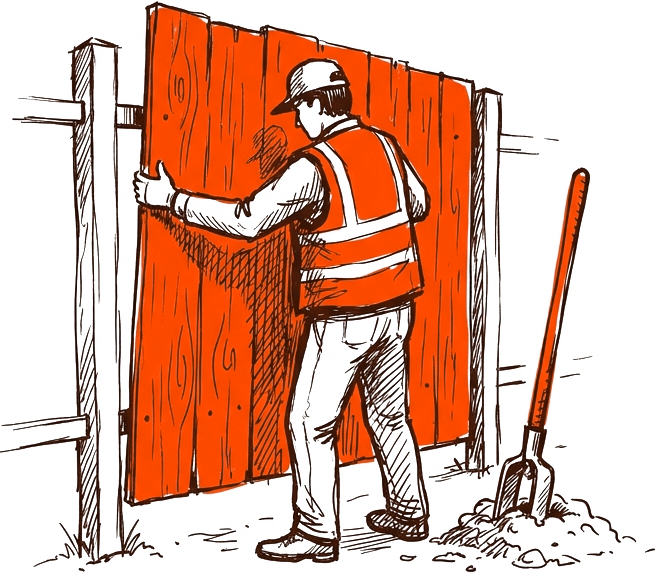
Fencing is material-heavy work. You buy posts, panels, concrete, hardware, and sometimes custom gates before you drive a single screw. If a customer backs out or drags their feet on final payment, you are the one out of pocket. That is exactly why a fencing deposit matters. It is not about distrust. It is about making sure the money for the job you promised is actually there when you need it. Here is how to decide when to ask, how much to charge, and how to explain it so the customer nods instead of flinching.
Key takeaways
- A deposit protects you from covering material costs out of your own pocket, especially on custom or large fence jobs.
- Typical deposits range from 25% to 50% depending on materials, job size, and how custom the work is.
- How you explain the deposit matters as much as the number: tie it to materials and scheduling.
- Clear written terms and easy payment options make deposits feel normal, not pushy.
When You Should Take a Deposit
Not every job needs one, but most fencing jobs do. The bigger the material spend and the longer the gap between quote and completion, the more you need money down. Ask yourself: if this customer disappeared tomorrow, how much would I be out?
Take a deposit when:
- The job requires you to order or stock materials before starting.
- You are building custom gates, ornamental iron, or anything you cannot easily resell or return.
- The job is large enough that materials tie up serious cash.
- You are booking the work weeks out and holding a crew slot for them.
- You are working with a new customer you have no history with.
Small repair jobs or a quick panel replacement where you already have the material on the truck are the exceptions. For those, collecting on completion is usually fine. But for a full fence install, a deposit should be your default.
How Much to Ask For
There is no single right number, but here are typical ranges contractors use:
- 25% to 35% for standard wood or chain-link installs where materials are readily available.
- 40% to 50% for material-heavy or custom work like ornamental aluminum, vinyl, or custom gates.
- Cost of materials plus a margin when the materials alone are a big chunk of the job.
The logic is simple: your deposit should at minimum cover the materials you have to buy up front. If your material cost on a job is 40% of the total, a 25% deposit still leaves you fronting cash. Match the deposit to your real exposure, not a habit.
Rule of thumb
Your deposit should cover your materials plus a little cushion, so you never finance a customer's fence with your own money.
A Worked Example
Say you quote a vinyl privacy fence for a customer at $9,000 total. Your breakdown looks like this:
- Materials (vinyl panels, posts, concrete, hardware): $4,200
- Labor and crew time: $3,600
- Overhead and profit: $1,200
If you take a 25% deposit, that is $2,250. But your materials cost $4,200. You are still fronting almost $2,000 before the crew shows up. On vinyl, which is often a special order, that is real risk.
Now take a 50% deposit: $4,500. That covers your full material spend with a small cushion for early labor. You order the vinyl, schedule the crew, and start the job knowing your out-of-pocket exposure is close to zero. Same customer, same job, very different cash position. That is the difference a right-sized deposit makes.
How to Explain It So Customers Say Yes
Most people expect a deposit for custom work. What makes them uneasy is a vague ask with no reason attached. Frame it around materials and scheduling, and it stops feeling like a demand.
Try language like this: "The deposit covers your materials, which I order specifically for your job, and it locks in your spot on the schedule. Once that clears, I put in the order and get you on the calendar." You have just told them what the money does and what they get for it.
A few things that build trust:
- Put the deposit amount and terms in writing on the quote, not just in conversation.
- Explain what the deposit buys: materials, their scheduled date, and your commitment to the timeline.
- Give a clear picture of the remaining payments so there are no surprises at the end.
- Offer easy ways to pay, so the deposit is a two-minute task, not a trip to the bank.
When you sound organized and specific, customers read that as professional. A contractor who explains deposits clearly looks a lot safer than one who mumbles about needing some money down.
Put the Terms in Writing
A deposit protects you only if the terms are clear and agreed to before work starts. Spell out the following on every quote or contract:
- The deposit amount and the percentage or dollar figure it represents.
- When it is due, usually to confirm the booking or before materials are ordered.
- What it covers and whether it is refundable if the customer cancels.
- The payment schedule for the balance, for example a progress payment and a final payment on completion.
- When final payment is due, ideally on the day the job is finished and walked.
A refundability line is worth thinking through. Many contractors make deposits non-refundable once materials are ordered, because at that point the money is already spent. Whatever you decide, write it down so there is no argument later.
How Deposits Protect Your Cash Flow
Fencing crews live and die by cash flow. You pay for materials, fuel, and payroll on a steady schedule, but customer payments come in lumps. A deposit smooths that out. It puts money in your account before the big expenses hit, so you are not floating jobs on a credit card or waiting on the last customer to pay before you can buy for the next one.
There is a psychological benefit too. A customer who has put money down is committed. They are less likely to ghost you, less likely to shop your quote around, and more likely to be ready when your crew shows up. The deposit turns a maybe into a booking.
Brivium lets you send branded quotes with the deposit built right in, collect it by card in a couple of taps, and drop the job straight onto your schedule so the money and the calendar stay in sync.
Start free trialBottom line: for anything more than a quick repair, take a deposit. Size it to cover your materials, explain what it buys, and get the terms in writing. Do that consistently and you protect your cash, your schedule, and your peace of mind.
Frequently asked questions
Is it normal for a fencing contractor to ask for a deposit?
Yes. For any install involving ordered or custom materials, a deposit is standard practice. Most customers expect it, especially on larger or custom fence jobs.
How much deposit should I charge for a fence job?
Typically 25% to 50% of the total. Standard wood or chain-link jobs sit around 25% to 35%, while custom or material-heavy work like vinyl and ornamental aluminum often calls for 40% to 50%. At minimum, cover your material cost.
Should a fencing deposit be refundable?
That is your call, but many contractors make deposits non-refundable once materials are ordered, since that money is already spent. Whatever you choose, put the refund policy in writing before work begins.
When should I collect the deposit?
Collect it to confirm the booking, before you order materials or hold a crew slot. Getting it up front is what protects you from fronting cash on a job that might fall through.