
Roofing
How to Write a Roofing Estimate That Wins the Job
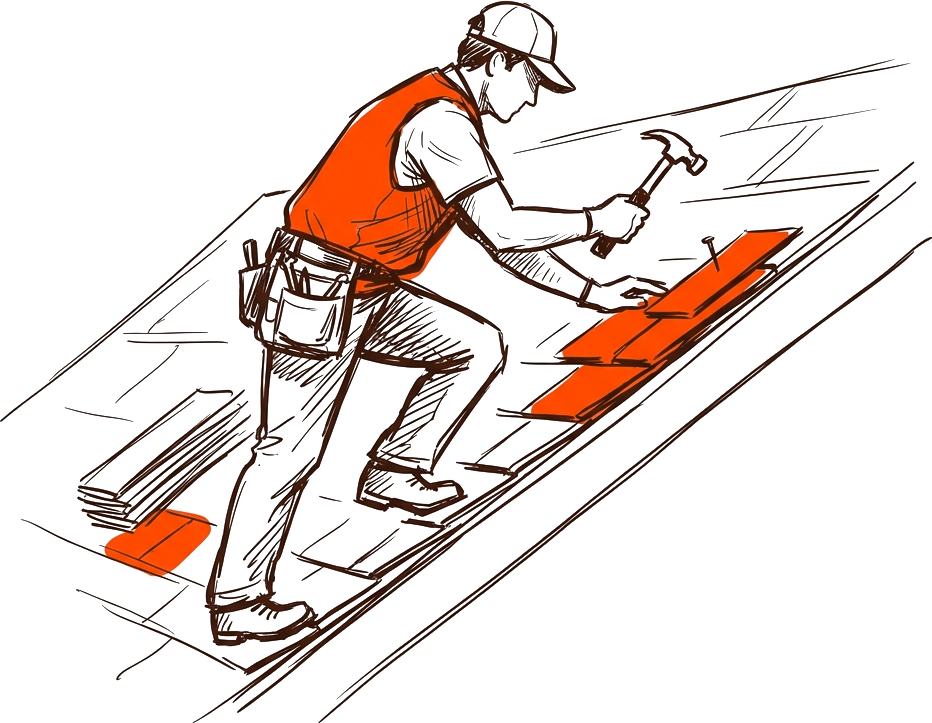
You can be the best roofer in town and still lose the job because your estimate looked sloppy, showed up two days late, or left the homeowner guessing what they were actually paying for. A roofing estimate is a sales document as much as a price sheet. It tells the customer whether you are organized, fair, and worth trusting on their biggest exposed asset. This guide walks through exactly what to put on the page, how to present options, how to handle deposits, and why speed and branding move your close rate more than almost anything else.
Key takeaways
- A winning estimate is specific, line by line, so the homeowner sees value instead of a scary lump sum.
- Offer two or three tiered options instead of a single price to raise your average job size.
- Collect a deposit and set clear payment terms up front to protect cash flow.
- Speed plus a clean branded quote often beats a lower price from a slower competitor.
Start With What the Homeowner Actually Sees First
Before pricing, your estimate needs a header that builds instant credibility. Homeowners are often collecting three or four bids, and the first impression decides whether they read yours carefully or skim it. Put your company name, logo, license number, insurance status, and contact info at the top. Include the property address, the date, and an estimate expiration date. That expiration is not a scare tactic, it just protects you from material price swings and keeps the customer moving.
Add a one or two sentence scope summary in plain English. Something like: Full tear-off and replacement of the existing asphalt shingle roof, approximately 24 squares, including new underlayment, drip edge, and pipe boots. That single line tells the customer you actually understood their project.
Break Down the Estimate Line by Line
A lump sum invites suspicion. A detailed breakdown builds trust and makes your price feel earned. You do not need to expose every dollar of margin, but you do need to show the work. Group your line items so the customer can follow the job from start to finish.
- Tear-off and disposal: number of layers removed and dump fees
- Decking inspection and any plywood replacement, priced per sheet
- Underlayment and ice-and-water shield in valleys and eaves
- Drip edge, starter strip, and flashing around penetrations
- Primary roofing material: brand, product line, and color
- Ridge vent or other ventilation work
- Cleanup, magnet sweep for nails, and final walkthrough
- Warranty details: manufacturer coverage and your workmanship guarantee
Price the unknowns as unit rates
You cannot see rotten decking until the roof is off. Instead of a vague warning, list a set rate, for example 65 dollars per replaced 4x8 sheet, so there are no surprise conversations mid-job. The homeowner already agreed to the number.
Present Options, Not a Single Take-It-Or-Leave-It Price
One of the fastest ways to raise your average ticket is to give the customer a choice between good, better, and best. When someone sees only one number, their only decision is yes or no, and often that means shopping you against a cheaper bid. When they see tiers, the decision shifts to which one, which keeps them buying from you.
- Good: standard architectural shingle, standard underlayment, workmanship warranty.
- Better: upgraded shingle line, synthetic underlayment, extended ice-and-water coverage.
- Best: premium or impact-resistant shingle, full ventilation upgrade, longest available warranty.
Most customers land in the middle, which is exactly where you want them. The premium tier also makes the middle option feel reasonable by comparison.
A Worked Example You Can Copy
Say you are quoting a 24 square asphalt shingle replacement on a single-story ranch. Here is how a clean middle-tier estimate might read out:
- Tear-off, disposal, and dump fees: 2,400 dollars
- Decking replacement allowance (priced at 65 dollars per sheet, estimated 4 sheets): 260 dollars
- Synthetic underlayment plus ice-and-water shield: 1,150 dollars
- Drip edge, starter, flashing, and pipe boots: 900 dollars
- Architectural shingles, installed (24 squares): 9,600 dollars
- Ridge vent and ventilation: 750 dollars
- Cleanup, magnet sweep, and haul-away: included
- Estimated total: 15,060 dollars
Notice the decking line is an allowance, not a fixed cost. If you only replace two sheets instead of four, you credit the difference. That transparency is what gets you referrals later. Now offer that same customer a good tier around 13,500 dollars and a best tier around 18,900 dollars, and you have framed the middle number as the smart, safe choice.
Handle Deposits and Payment Terms Clearly
Vague payment language costs roofers real money. Spell out the terms on the estimate itself so there is no awkward conversation on install day. A typical structure for a residential reroof is a deposit to schedule, a payment when materials are delivered, and the balance on completion.
- Deposit: commonly 10 to 30 percent to lock the schedule and cover initial material orders.
- Progress payment: often due at material delivery or the start of tear-off.
- Final balance: due at completion after the homeowner walkthrough.
- Accepted methods: check, card, and any financing you offer.
Make paying easy
The faster and simpler it is to say yes and put money down, the fewer estimates go cold. If a customer has to hunt for your account number or mail a check, you have added friction at the exact moment they were ready to commit.
Why Speed and Branding Win the Job
Here is the honest truth most roofers underrate: the fastest professional bid often wins, even when it is not the cheapest. When a homeowner has a leak or storm damage, they are anxious. The contractor who sends a clean, branded estimate within 24 hours looks like the one who will actually show up and finish. The contractor who takes five days and sends a number scribbled on a form looks like a risk.
Consistency matters too. Every quote should carry your logo, colors, and the same layout so you look established. A homeowner comparing your polished document against a competitor's handwritten note will pay a premium for the peace of mind. Speed and presentation are the two levers you fully control, unlike material costs.
Brivium lets you build a branded roofing estimate on the drive home, send it while you are still standing in the driveway, collect a deposit by card, and drop the accepted job straight onto your crew's schedule, all in one app.
Start free trialFollow Up Without Being Annoying
Estimates go cold because nobody circled back, not because the price was wrong. Set a simple rhythm: a quick check-in the day after you send it, then one more a few days later before it expires. Keep it short and helpful, offer to answer questions or adjust the tier. A polite follow-up alone will recover a meaningful share of jobs you otherwise would have written off.
Put it all together and your estimate becomes a closing tool: specific line items, clear options, honest allowances, defined deposits, and a fast branded delivery. That combination consistently beats a lower price from a slower, sloppier competitor.
Frequently asked questions
What should a roofing estimate always include?
Company and license details, the property address, a plain-English scope summary, line-item pricing for tear-off, underlayment, materials, and ventilation, decking as a unit rate allowance, warranty terms, payment schedule, and an expiration date.
How much deposit should I collect on a roofing job?
For residential reroofs, a deposit of roughly 10 to 30 percent is typical to lock the schedule and cover initial material orders, with a progress payment and a final balance due on completion. Check your state's contractor deposit limits.
Should I give one price or multiple options?
Offer two or three tiered options, good, better, and best. Tiers shift the customer's decision from yes or no to which one, which keeps them buying from you and often raises your average job size.
How fast should I send a roofing estimate?
Aim to deliver within 24 hours, sooner for storm or leak jobs. The fastest clean, branded bid frequently wins even when it is not the cheapest, because speed signals reliability to an anxious homeowner.