
Pool Service
How to Write a Pool Service Estimate That Wins the Job
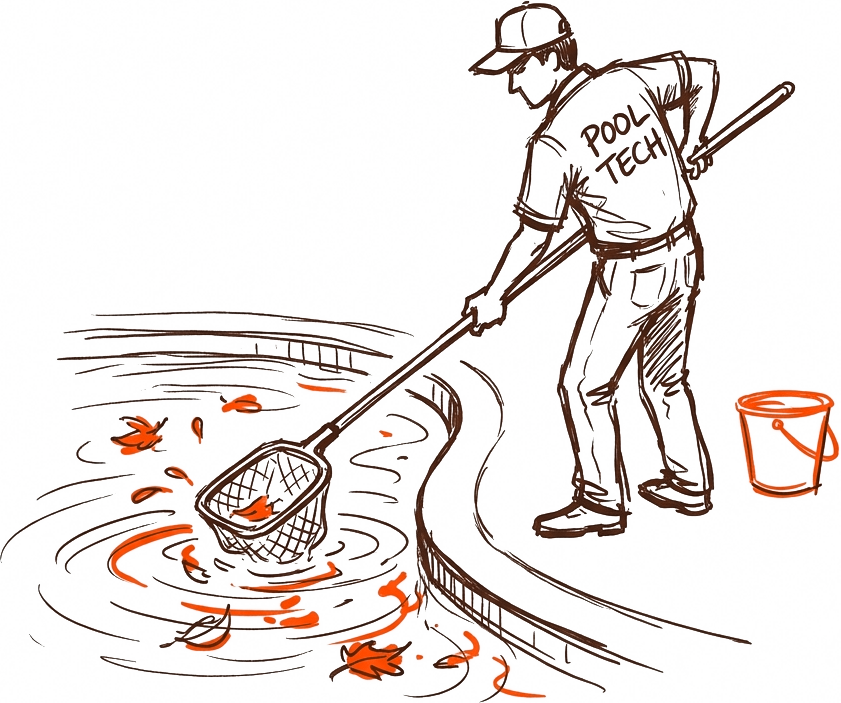
A pool service estimate is more than a price. It is the first real proof a customer gets of how you run your business. A vague number scribbled on a business card tells them one thing. A clear, itemized, branded quote sent the same day tells them something completely different. This guide walks through how to build a pool service estimate that answers questions before they are asked, presents options instead of a single take-it-or-leave-it number, and gets to the homeowner fast enough to beat the other three companies bidding the same job.
Key takeaways
- Break your estimate into clear line items so customers see exactly what they pay for.
- Offer two or three tiered options instead of one price to raise your average ticket.
- Ask for a deposit on installs and repairs to protect your cash flow.
- Speed and clean branding win jobs: the first professional quote in the inbox usually gets the call.
Why Your Estimate Is a Sales Tool, Not Paperwork
Homeowners rarely have the technical knowledge to compare pool bids on merit. They compare on what they can see: how fast you responded, how professional the document looks, and how confident you sound about the work. If your quote arrives days late as a plain text message, you are competing on price alone. A structured estimate reframes the conversation around value. It also cuts down the back-and-forth, because a good estimate answers the obvious questions up front: what is included, what is not, how often you visit, and what happens if something breaks.
The 24-hour rule
Aim to send every estimate within 24 hours of the site visit or call. Momentum matters. The company that quotes first is often the company that gets remembered.
What to Include Line by Line
A strong estimate leaves nothing to guesswork. Whether you are quoting weekly maintenance, a green-to-clean recovery, or an equipment install, the same skeleton works. Fill in the parts that apply and delete the rest.
- Your business name, license number, phone, and email at the top.
- Customer name, service address, and the date the estimate was created.
- A short scope description: what you are quoting and the pool size or gallons.
- Itemized line items with quantity, unit, and price for each task or part.
- Labor shown separately from parts and chemicals so nothing looks hidden.
- Recurring service frequency if this is a maintenance plan: weekly, biweekly, or seasonal.
- Subtotal, applicable sales tax, and a clear total.
- Deposit required and how the balance is billed.
- An expiration date on the estimate, usually 14 to 30 days.
- Exclusions and assumptions: what is not covered and any conditions you found on site.
That last item saves you the most grief. If the equipment pad is corroded or the pool is full of algae before you start, note it. Documented exclusions protect your margin when scope creeps mid-job.
Present Options, Not a Single Price
When you send one number, the customer's only decision is yes or no. When you send tiers, the decision becomes which one. That shift alone tends to raise your average ticket, because a portion of customers will reach for the middle or top option when it is presented cleanly.
For recurring maintenance, a simple three-tier structure works well:
- Basic: weekly cleaning and water testing, chemicals billed separately.
- Standard: weekly cleaning, testing, and all chemicals included.
- Premium: everything in Standard plus filter cleans, equipment checks, and priority scheduling.
Label the middle option as your most popular. Most people avoid extremes and settle in the middle, so make sure that tier is the one you actually want to sell.
A Worked Example: Green-to-Clean Recovery
Say a homeowner calls with a neglected 18,000 gallon pool that has gone green. Here is how a transparent estimate might read:
- Initial labor, drain and acid wash assessment (4 hours at 85 per hour): 340
- Shock treatment and specialty algaecide (chemicals): 120
- Filter deep clean and cartridge replacement (part plus labor): 95
- Multiple follow-up visits to balance water (3 visits at 65): 195
- Debris haul-off and disposal: 40
That puts the subtotal at 790. Add local sales tax if your state requires it on service, then present the total clearly. Right below it, offer the natural next step: a weekly maintenance plan at, say, 165 per month so the pool never gets to this point again. You just turned a one-time job into recurring revenue, and the customer sees the logic instantly.
Anchor with the recovery, sell the plan
A one-time recovery cost makes an ongoing maintenance plan look like a bargain by comparison. Always pair them.
How to Handle Deposits and Payment Terms
For weekly service, deposits are rarely needed since you bill monthly. But for green-to-clean jobs, equipment installs, and any work with significant material cost, a deposit is standard and protects you. A typical range is 25 to 50 percent up front, with the balance due on completion.
State your terms plainly on the estimate so there is no surprise:
- Deposit amount and what it covers, collected before work begins.
- Balance due on completion, or net terms if you extend them.
- Accepted payment methods, including card so customers can pay on the spot.
- Any late fee or returned payment policy, kept short and reasonable.
The easier you make it to pay, the faster you get paid. If a customer can tap a link or hand over a card the moment the work is done, you are not chasing checks two weeks later.
Speed and Branding Close the Deal
Two identical prices are not really identical if one arrives in an hour with your logo, clean line items, and a pay button, while the other shows up two days later as a text. Homeowners read the fast, polished quote as a signal that you will be just as organized on their property. Consistency in your quote design, your truck, and your follow-up builds the trust that lets you charge a fair rate instead of racing to the bottom.
Brivium helps pool pros send branded estimates in minutes, collect deposits and card payments on the spot, and schedule the job the moment it is approved, all from one app.
Start free trialBuild a repeatable estimate template, hit the 24-hour window, present clear options, and make paying easy. Do those four things consistently and your close rate climbs without dropping your prices.
Frequently asked questions
What should a pool service estimate include?
Your business and license details, customer and site info, a scope description, itemized line items for labor, parts, and chemicals, subtotal and tax, any deposit required, an expiration date, and clear exclusions.
Should I charge a deposit for pool work?
For weekly maintenance, usually no since you bill monthly. For green-to-clean recoveries, repairs, and equipment installs, a deposit of 25 to 50 percent up front is standard and protects your material costs.
How fast should I send a pool service estimate?
Aim for within 24 hours of the site visit or call. The first professional, itemized quote in the customer's inbox often wins the job, even at a similar price.
How do I raise my average pool service ticket?
Present two or three tiered options instead of a single price, label a middle tier as most popular, and pair one-time jobs like recoveries with an ongoing maintenance plan.