
Plumbing
How Plumbing Crews Stay on Schedule
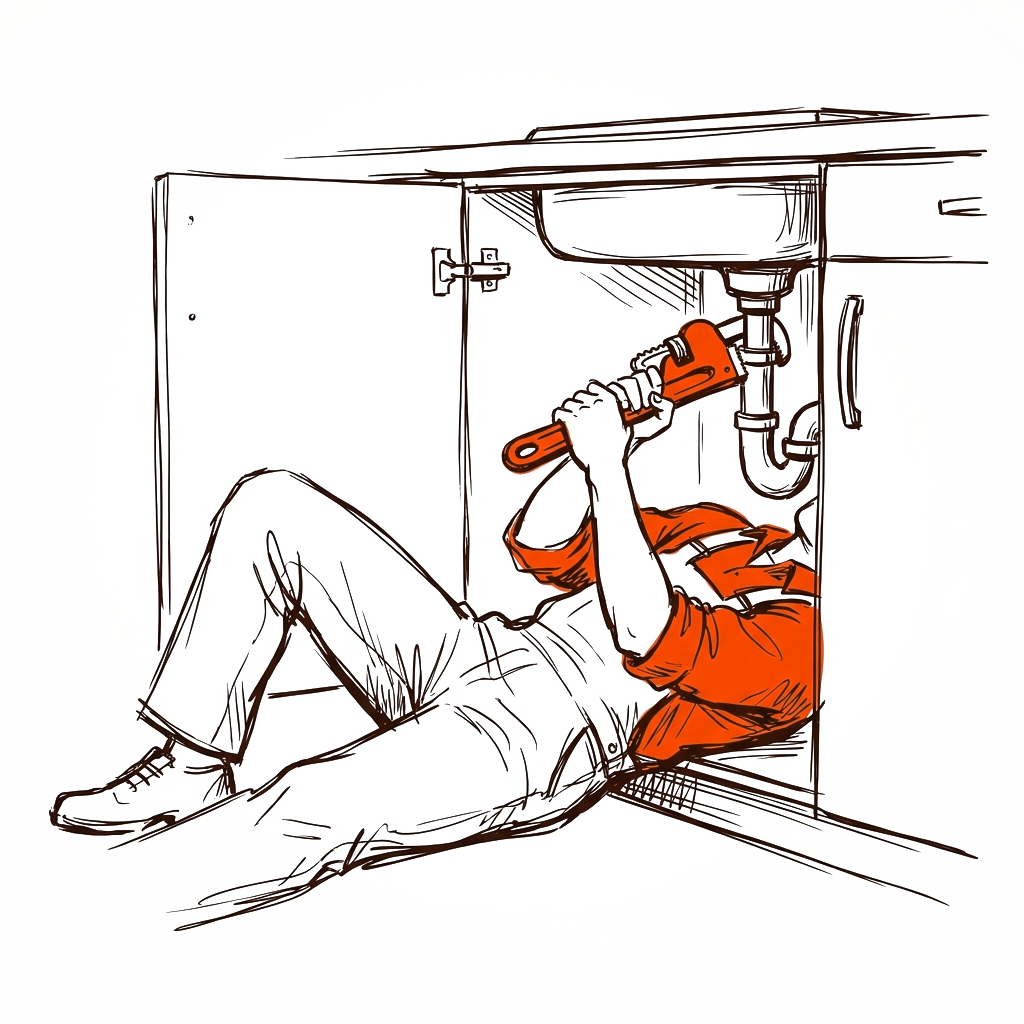
Every plumber knows the day that falls apart by 10 a.m. A water heater swap runs long, a customer is not home, and now your afternoon stops are stacked up like cars at a bad merge. Good plumbing scheduling will not stop surprises, but it will keep one late job from wrecking the whole day. This is a contractor-to-contractor look at how crews actually stay on schedule: shared calendars everyone trusts, dispatching that matches the right tech to the right job, honest buffers, and keeping the team in sync from their phones.
Key takeaways
- One shared calendar beats a dozen text threads. If it is not on the calendar, it does not exist.
- Build buffers into every day on purpose, not as an afterthought when things already slipped.
- Dispatch by skill, location, and parts on the truck, not just who is free.
- Your crew needs to see changes in real time from their phones, or the schedule is already out of date.
Start With One Calendar Everyone Can See
The number one reason plumbing crews fall behind is not slow work. It is bad information. The office books a job, the tech never sees it, or two techs both think they are covering the same emergency call. A single shared calendar fixes most of this. Everyone from the owner to the newest apprentice looks at the same board and sees the same jobs, in the same order, with the same notes.
A calendar that works for plumbing shows more than a time slot. It shows the job type, the address, the customer phone number, gate codes or access notes, and whether a quote was already approved. When a tech can glance at their phone and see what they are walking into, they stop calling the office for details and start finishing jobs.
Rule of thumb
If a job detail lives only in someone's head or a text message, it is a delay waiting to happen. Put it on the shared record.
Dispatch by Skill, Location, and What Is on the Truck
Dispatching is not just filling open slots. The fastest crews match jobs to the right person. A drain cleaning and a commercial backflow test are not the same job, and sending the wrong tech means a return trip. When you assign work, weigh three things:
- Skill: Does this tech handle this type of work without a callback?
- Location: Can they get there without crossing the whole service area twice?
- Parts: Do they have the fittings, the water heater, or the specialty tool already on the truck?
Grouping jobs by neighborhood is one of the easiest wins. Two stops three miles apart beat two stops thirty miles apart every time. If you dispatch a tech across town for an afternoon call when another tech is already in that zip code, you just burned 45 minutes of drive time for no reason.
Build Buffers Into the Day on Purpose
Here is where a lot of plumbing scheduling goes wrong: owners book the day back to back because the math looks great on paper. The problem is plumbing never runs on paper. Access delays, a corroded valve that will not budge, a parts run, a customer who wants to talk. If you book zero slack, your first delay pushes every job after it, and the last customer waits until dinner.
Add buffer intentionally. Most crews find 20 to 30 minutes of buffer between jobs is a realistic range for drive time plus the small stuff that always comes up. For bigger installs, build in a full extra hour.
A quick worked example
Say a tech has four jobs, each estimated at 90 minutes, starting at 8 a.m. With no buffer, that is 8:00, 9:30, 11:00, and 12:30, wrapping by 2:00. Clean on paper. Now add reality: 20 minutes drive between stops and one job that runs 40 minutes long. Without buffer, the day slides to a 3:40 finish and the last customer got a very late window. Now build in a 25 minute buffer per job from the start. You book 8:00, 10:00, 12:00, and 2:00. The same 40 minute overrun gets absorbed, drive time is covered, and you still finish close to on time. You ran four jobs instead of five, but every customer got the window you promised, and nobody got the panic call.
The honest trade-off
Buffers mean fewer jobs booked per day on paper. In practice they mean more jobs actually finished on time, fewer callbacks, and happier customers who refer you.
Plan for Weather and the Jobs That Always Run Long
Some delays are predictable enough to plan for. Freeze events blow up the phones in winter. Heavy rain means slab leaks and sump pump calls. Certain job types, water heater replacements, repipes, main line work, run long more often than they run short. Treat these as known risks.
- Keep an emergency slot open during freeze season instead of booking every hour solid.
- Schedule the known long jobs earlier in the day so overruns do not cascade into the evening.
- Have a short list of which customers you can call to reschedule if an emergency bumps them, and call early, not after you are already late.
- Stock the trucks the night before for the next day's booked work so no one starts the morning at the supply house.
Keep the Whole Crew in Sync From Their Phones
A schedule is only as good as the moment it stops matching reality. The office moves a job, adds an emergency, or a customer reschedules, and if that change does not hit every tech's phone right away, you have two versions of the truth. Real-time updates are what keep a shared calendar honest.
When your crew works off their phones, a few habits keep everyone aligned:
- Techs mark jobs as on the way, started, and completed so the office sees progress live.
- Running late gets flagged in the app, not buried in a group text, so dispatch can shuffle the next stop.
- Notes and photos get logged on site while the job is fresh, not from memory that night.
- Approved quotes and payment status show on the same screen so techs know when to collect.
When the job wraps, the tech should be able to collect payment on the spot. Getting paid at the truck instead of mailing an invoice is one of the quiet ways scheduling and cash flow connect: a tech who collects before leaving does not have to drive back or chase a check next week.
Review the Day and Tighten the System
The crews that stay on schedule are not lucky, they adjust. Spend a few minutes at the end of the week looking at where the day slipped. Which job types blew past their estimate every time? Which tech is consistently finishing early and could take another stop? Where did drive time eat the schedule alive?
If water heater swaps always run 30 minutes long, change the estimate in your system so future days are booked right. If one zip code always costs you a wasted trip, batch those calls to a single day. Small tweaks compound. Over a season, a tighter schedule can mean an extra job most days without anyone working longer hours.
Brivium keeps your shared calendar, dispatching, and crew phones in sync, with branded quotes and card payments on the truck so you stay on schedule and get paid before the next stop.
Get startedStaying on schedule is not about cramming more jobs into a day. It is about one calendar everyone trusts, smart dispatching, real buffers, and a crew that sees changes the moment they happen. Get those four right and the days that used to fall apart by 10 a.m. start finishing on time.
Frequently asked questions
How much buffer should I build between plumbing jobs?
A typical range is 20 to 30 minutes between standard jobs to cover drive time and small surprises, with a full extra hour built in for large installs like water heaters or repipes.
What is the best way to dispatch plumbing jobs?
Match jobs by skill, location, and the parts already on the truck. Group stops by neighborhood to cut drive time, and send long or complex work to the tech who handles it without callbacks.
How do I keep my whole crew on the same schedule?
Use one shared calendar that updates in real time to every tech's phone. Have techs mark jobs on the way, started, and completed, and flag delays in the app so dispatch can adjust the next stop.
How do I plan plumbing scheduling around weather and emergencies?
Keep an emergency slot open during freeze and storm season, schedule long jobs earlier in the day, and call any customers you may need to bump early rather than after you are already running late.