
Plumbing
Hiring Your First Plumbing Employee
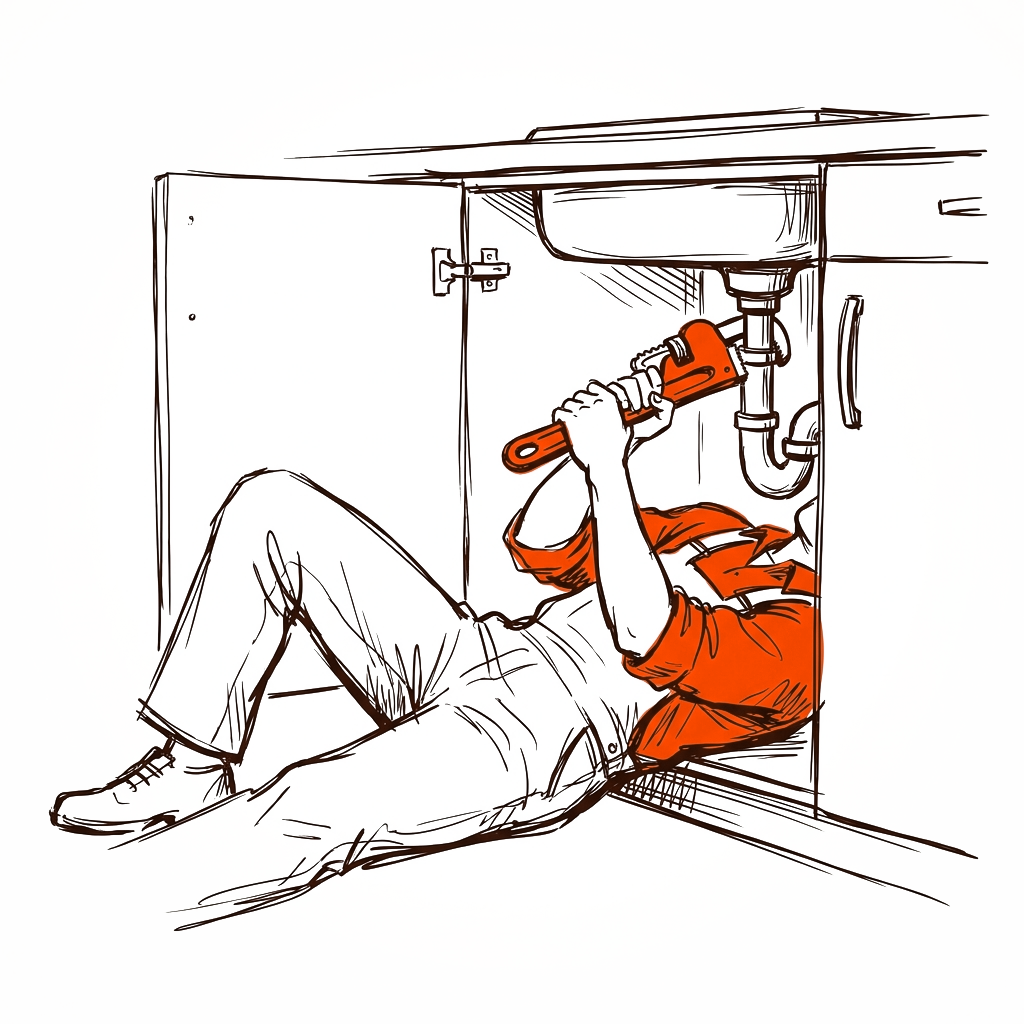
Going from a one-truck operation to a two-person crew is one of the scariest moves a plumber makes. You know how to run the jobs. What you do not know is whether the extra payroll will bury you or finally give you your weekends back. This is a contractor-to-contractor look at when the numbers actually justify hiring a plumbing employee, what to hand off first, and how to keep jobs from falling through the cracks once you are not the only one in the field.
Key takeaways
- Hire when you are turning away or delaying enough billable work to cover a wage plus your true burden, not just when you feel busy.
- Delegate the repeatable, lower-risk work first: drain cleaning, fixture swaps, and callbacks, so you can keep selling and running the business.
- Coordination breaks before payroll does. Get scheduling, job notes, and photos in one place before the second truck rolls.
- Track billable hours per tech weekly. That single number tells you fast whether the hire is paying for itself.
When the Numbers Actually Justify a Hire
Feeling slammed is not a business case. You can feel slammed and still be losing money on a hire if the extra tech only fills half a week. The real question is simple: is there enough consistent billable work to keep a second person productive most days?
Start with your true cost of an employee, not just their hourly wage. On top of the wage you carry payroll taxes, workers' comp (which runs high for plumbing), a phone, tools, and often a truck. A common rule of thumb is that a fully loaded plumbing employee costs roughly 1.3 to 1.5 times their base wage once you add everything up.
Rough burden math
A $28/hour helper often costs you closer to $38 to $42/hour fully loaded. Price the hire off the loaded number, never the wage alone.
Now run a simple worked example. Say you pay a mid-level tech $30/hour, and fully loaded that is $42/hour. At 40 hours a week that is roughly $1,680 in cost per week. If that tech bills at $150/hour and stays about 60 percent billable (a realistic starting point for a new hire ramping up), that is 24 billable hours, or $3,600 in revenue. After the $1,680 loaded cost, you clear about $1,920 before materials and overhead. Push billable utilization to 75 percent and the same tech generates $4,500 for the same cost. The gap between 60 and 75 percent utilization is the whole ballgame.
If your calendar shows you delaying jobs by more than a few days, turning down service calls, or working past 7pm most nights just to keep up, the demand is likely there. If it is patchy, hire part-time or use a subcontractor before you commit to a full payroll seat.
Employee, Subcontractor, or Apprentice?
Before you post a job, decide what you actually need. The three common paths carry very different costs and risks.
- W-2 employee: Most control, most obligation. You direct their work, provide tools, and carry taxes and comp. Best for steady demand you can keep full.
- 1099 subcontractor: Flexible, but the IRS and state rules on classification are strict for field trades. If you control how and when the work is done, they are probably an employee. Misclassifying is an expensive mistake.
- Apprentice or helper: Lower wage, lower immediate output, but you build a licensed tech over time. Great long-term play if you have the patience to train.
For most solo plumbers making their first hire, a helper or apprentice you can grow is the lowest-risk entry. They take grunt work off your plate immediately, and their cost is easier to cover while they learn.
What to Delegate First
The instinct is to hand off the jobs you hate. The smarter move is to hand off the work that is repeatable, lower-risk, and easy to check when it is done. That protects your reputation while you learn to manage someone.
- Drain cleaning and augering: high volume, forgiving, and a fast way to prove out a new tech.
- Standard fixture swaps: faucets, toilets, garbage disposals, water heaters on a like-for-like replacement.
- Callbacks and warranty checks on completed work: low stakes, and it teaches them your standards.
- Material runs and job prep so your senior hours are not spent at the supply house.
- Eventually, full service calls once you trust their diagnosis and their write-ups.
Hold onto the high-stakes work at first: complex repipes, code-sensitive gas, and anything where a mistake means a flooded house or a failed inspection. Delegate the reputation-safe work, keep the reputation-critical work, and expand their scope as trust builds.
Delegate the office too
Answering the phone during jobs is one of the biggest hidden costs of being solo. A second set of hands in the field only helps if calls still get answered and quotes still go out.
Keeping Jobs Coordinated With Two Trucks
Here is the part nobody warns you about: coordination breaks before payroll does. When you were solo, the schedule lived in your head and it worked. The moment a second person is in the field, that system collapses. Double-booked slots, a customer who says the tech never showed, a job finished with no notes and no photos, these are the daily headaches of a young crew.
Fix the plumbing of your business before the second truck rolls. At minimum you want one shared calendar every person can see, job details and addresses attached to each appointment, and a habit of logging notes and photos on-site before leaving. If your tech finishes a water heater and drives off, you should be able to see what was done, what was quoted, and whether payment was collected without calling them.
- One shared schedule, not texts and a paper book.
- Job notes and before/after photos captured on the phone at the job, not from memory that night.
- Clear handoff on who invoices and who collects payment so nothing sits unbilled.
- A daily 5-minute check-in on tomorrow's routes so nobody is driving across town twice.
Track the One Number That Tells the Truth
Once the hire is on, resist the urge to judge it by feel. Track billable hours per tech per week. That single number tells you fast whether the seat is paying for itself. A new hire may start around 50 to 60 percent billable while they learn your systems, then climb toward 70 to 80 percent within a couple of months. If they are still stuck under 50 percent after 90 days, the problem is either not enough work in the pipeline or a coordination gap sending them on wasted trips.
Watch your callback rate too. A fast tech who generates callbacks is not saving you money, they are moving the cost to next week. Speed plus low callbacks is what you are paying for.
Brivium keeps a small crew coordinated with a shared schedule, branded quotes your tech can send from the truck, and card payments collected on-site, so jobs get done, billed, and paid without the paperwork piling up on you.
Start free trialThe First 90 Days: Set Them Up to Win
Your first hire will mirror your habits, good and bad. Spend the first two weeks riding along or meeting them at jobs. Write down your standards for how a job gets left, how photos get taken, and how customers get treated. It feels slow, but a tech who knows your standard needs far less supervision by week six, and that freedom is the whole reason you hired them.
Set one clear expectation for the paperwork side: no job is closed until notes, photos, and payment status are logged. If you let that slide the first week, you will be chasing details for months. Get it right early and your two-truck operation runs like it was always meant to be more than one.
Hiring your first plumbing employee is a leap, but it is a math problem more than a leap of faith. Confirm the demand, cover the loaded cost, delegate the safe work first, and lock down coordination before you scale. Do that and the second truck becomes the thing that finally gives you room to grow instead of another fire to fight.
Frequently asked questions
How do I know I can afford my first plumbing employee?
Calculate the fully loaded cost, roughly 1.3 to 1.5 times their wage after taxes, comp, tools, and truck. If you have enough consistent billable work to keep them 60 percent or more utilized from the start, the numbers usually work.
What should I have a new plumbing hire do first?
Start with repeatable, lower-risk work: drain cleaning, standard fixture swaps, callbacks, and material runs. Keep complex repipes, gas, and code-sensitive jobs on your own truck until you trust their diagnosis and write-ups.
Should I hire a W-2 employee or use a 1099 subcontractor?
If you control how and when the work gets done, they are almost certainly an employee under IRS and state rules. Misclassifying field techs is costly. For steady work, a W-2 helper or apprentice is the safer first hire.
How do I keep jobs organized with two plumbers in the field?
Use one shared schedule everyone can see, attach job details and addresses to each appointment, and require notes plus before/after photos logged on-site. Do a short daily check-in on tomorrow's routes to avoid wasted trips.