
Pest Control
Pest Control Quoting Mistakes That Cost You Money
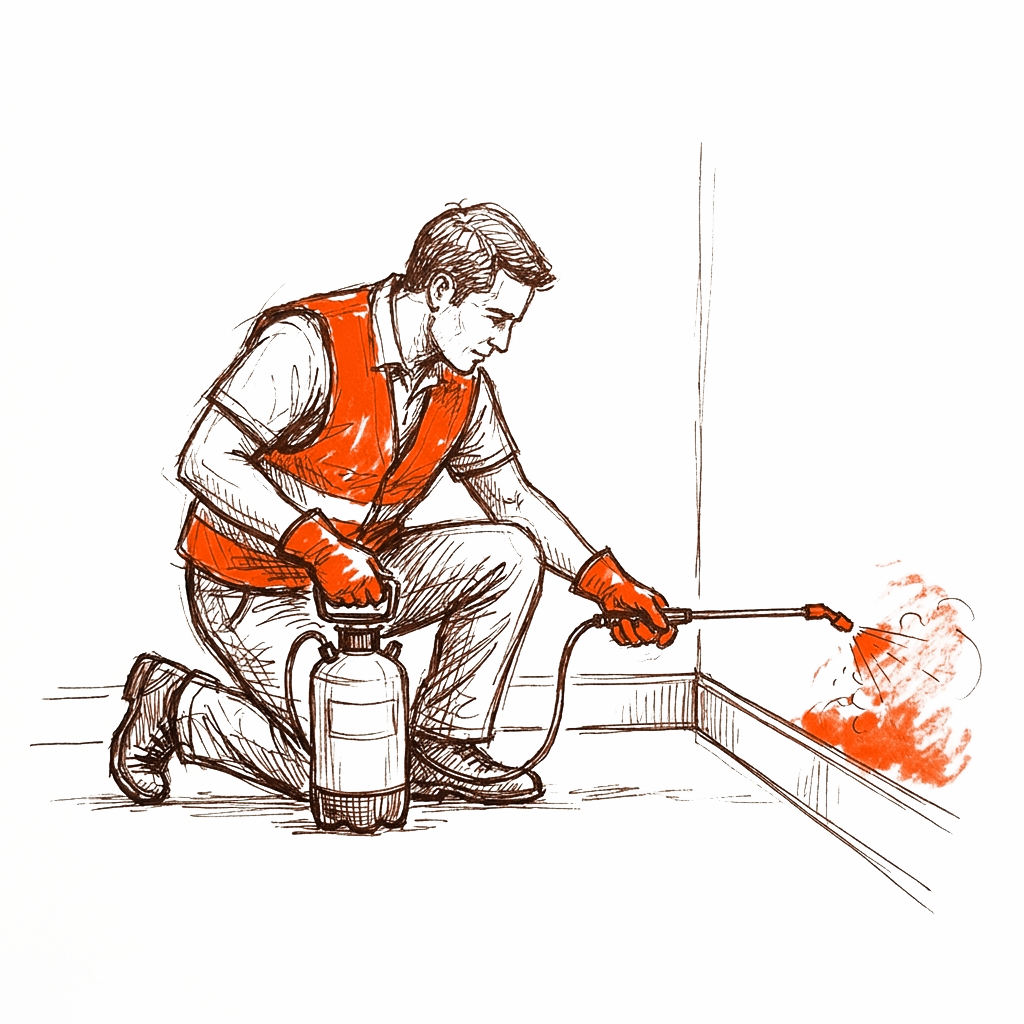
Quoting is where you win or lose money in pest control, long before you ever set a trap or spray a baseboard. A quote that goes out two days late, forgets prep work, or ignores your real overhead can turn a solid job into a break-even headache. The frustrating part is that most quoting mistakes are invisible. The job still gets done, the customer still pays, but your margin quietly disappears.
Below are the most common quoting and estimating mistakes pest control pros make, and the practical fixes that put that money back in your pocket. This is contractor-to-contractor, no fluff.
Key takeaways
- Slow quotes lose jobs: speed often beats price when a customer has ants in the kitchen today.
- Most underpricing comes from ignoring prep time, drive time, and overhead, not the chemical cost.
- A simple deposit protects you against no-shows and cancellations and improves cash flow.
- Standardized, branded quotes with clear scope reduce callbacks, scope creep, and disputes.
Mistake 1: Taking too long to send the quote
When someone has a wasp nest by the front door or roaches in the pantry, they are calling two or three companies and booking whoever responds first with a clear number. If your quote shows up a day or two later, you are often bidding on a job that is already gone.
Speed is a competitive advantage that costs you nothing but a system. The faster you can turn an inspection or phone call into a written number, the higher your close rate, often without dropping your price at all.
Aim for same-day
Set an internal rule: every quote goes out the same day it is requested, ideally within a couple of hours. Build templates so you are filling in blanks, not writing from scratch.
Mistake 2: Forgetting prep, access, and cleanup time
Pest work is rarely just the treatment. There is moving boxes in a garage, pulling out appliances, crawlspace access, baiting stations that take time to place, follow-up visits, and documentation. Techs who quote only the active treatment time routinely underbid by 20 to 40 percent on the harder jobs.
Walk through the full job in your head before you price it. A typical rodent exclusion job might include inspection, sealing entry points, baiting, and two follow-ups. If you quoted only the first visit, you just gave away the follow-ups.
- Inspection and identification time
- Prep and access: moving items, crawlspaces, attics, ladders
- Travel time to and from the site
- Follow-up visits included in the price
- Reporting, warranty paperwork, and callbacks
Mistake 3: Underpricing because you ignore overhead
This is the quiet killer. Many pest control owners price off chemical cost plus a little labor and assume the rest is profit. It is not. Your truck, fuel, insurance, licensing, software, phone, office help, marketing, and your own time all have to be covered by every job you run.
Here is a simplified worked example for a single general pest treatment. The point is not the exact pennies, it is the habit of loading overhead into every quote.
- Direct chemical and materials cost: 15 dollars.
- Tech labor, 1 hour loaded wage including taxes: 35 dollars.
- Drive time, 30 minutes: 18 dollars.
- Overhead allocation (insurance, truck, software, marketing) at roughly 35 percent of the above: about 24 dollars.
- True cost so far: about 92 dollars.
- Target profit margin of 25 percent on top: roughly 23 dollars.
- Minimum price to send: about 115 dollars, not the 70 dollars you might quote off chemical and a quick hour.
If you had quoted 70 dollars, you would have lost money on a job you felt good about booking. Run this math once for each of your common service types, and you will never guess again.
Mistake 4: No deposit and no cancellation protection
No-shows and last-minute cancellations are expensive. A tech sitting idle, a wasted drive, and a hole in your schedule all cost real money. A small deposit at booking filters out tire-kickers and keeps serious customers committed.
For one-time jobs like a termite treatment or a large exclusion, a 20 to 30 percent deposit is reasonable and standard in the trades. For recurring plans, consider requiring a card on file so the first visit and ongoing billing are automatic.
Deposits are normal
Customers who balk at a modest deposit are often the ones most likely to cancel or dispute. The deposit is not just cash flow, it is a commitment filter.
Mistake 5: Vague scope that invites scope creep
A quote that just says general pest control, 125 dollars is an invitation for arguments. What does it cover? How many rooms? Interior and exterior? One visit or a quarter? When the scope is fuzzy, the customer assumes the broadest version and you eat the difference.
Spell out exactly what is and is not included, how many visits, what the warranty covers, and what triggers an additional charge. Clear scope reduces callbacks, disputes, and the awkward driveway conversation where you explain why attic work costs extra.
- Target pests covered and areas treated
- Number of visits and the follow-up schedule
- What is excluded: wildlife, structural repairs, extra square footage
- Warranty terms and what voids them
- Pricing for add-ons stated up front
Mistake 6: Inconsistent pricing across your crew
If two techs quote the same roach job at wildly different numbers, you have no real pricing. One is leaving money on the table, the other might be scaring customers off, and neither of you can forecast revenue. Pricing should live in a system, not in each tech's head.
Build a simple price book for your standard services with clear add-on rates for square footage, severity, and extra access. New techs can quote confidently, your margins hold, and your quotes look professional and consistent.
Brivium helps pest control crews send branded quotes in minutes, collect deposits and card payments on the spot, and drop approved jobs straight onto the schedule so nothing slips.
Start free trialPutting it together
None of these fixes are complicated. Quote the same day, price the whole job including prep and overhead, take a deposit, write a clear scope, and keep pricing consistent across your crew. Do those five things and you will raise your close rate and your margin at the same time, without working more jobs.
Pick the one mistake costing you the most this month and fix it first. Then move to the next. Within a season, your quoting will be tighter, faster, and far more profitable.
Frequently asked questions
How fast should a pest control quote go out?
Aim for same-day, ideally within a couple of hours. Customers with an active pest problem usually book the first clear, professional number they receive, so speed often beats price.
How much deposit should I charge for pest control jobs?
For one-time jobs like termite or exclusion work, a 20 to 30 percent deposit is reasonable. For recurring plans, keep a card on file so the first visit and ongoing billing run automatically.
Why am I underpricing even when I cover labor and chemicals?
Most underpricing comes from ignoring overhead and prep: insurance, truck, fuel, software, drive time, and follow-up visits. Load an overhead percentage and a target margin into every quote.
How do I keep pricing consistent across my crew?
Build a price book for your standard services with clear add-on rates for square footage, severity, and access. Store pricing in a system so every tech quotes the same way and your margins hold.