
Junk Removal
Junk Removal Quoting Mistakes That Cost You Money
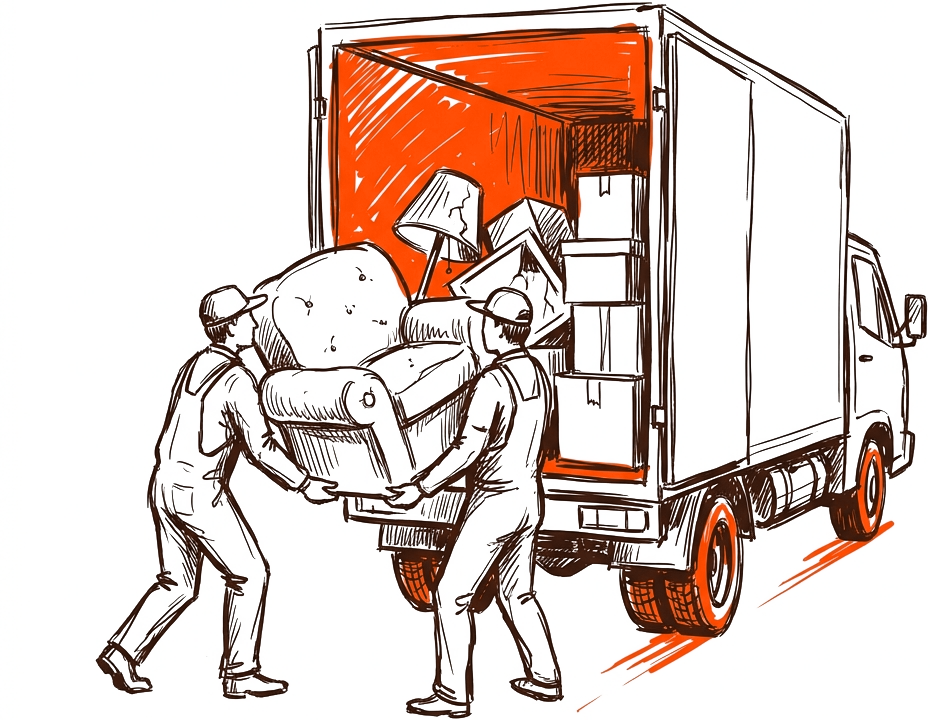
If you run a junk removal crew, you already know the job itself is the easy part. Load the truck, dump it, done. The part that quietly decides whether you make money or just stay busy is the quote. A bad quote costs you twice: once when you underprice the job, and again when you spend the whole day wondering why the numbers never work out. Below are the junk removal quoting mistakes we see most often, with specific fixes you can use on the next estimate.
Key takeaways
- Most quoting losses come from forgetting prep labor, disposal fees, and overhead, not from lowballing the obvious stuff.
- A slow quote loses jobs to whoever answers first. Speed is part of your price.
- Taking a deposit protects your schedule and filters out tire-kickers.
- Price by volume plus access difficulty, not by eyeballing a pile and guessing.
Mistake 1: Quoting the pile, not the whole job
The number one mistake is pricing only what you can see in the photo or driveway. You look at a sofa, a mattress, and some boxes and think half a truck. Then you show up and the sofa is in a third-floor walk-up, the mattress is soaked, and the boxes are packed with paint cans you cannot dump at a regular transfer station.
The actual job is volume plus access plus disposal restrictions plus prep. Every one of those adds time, and time is your real cost. A quick pile estimate ignores three of the four.
Walk the whole path
Before you quote, picture the full trip from the item to the truck. Stairs, narrow hallways, tight parking, locked gates, and long carries all add labor minutes that belong in the price.
Mistake 2: Forgetting prep and disassembly labor
Prep is the silent margin killer. Disassembling a swing set, breaking down a shed, draining a water heater, or sweeping out a garage can double the time on a job you quoted as a simple haul. Crews rarely log this, so it never makes it into the next quote.
Build a short mental list of prep triggers and add a line item whenever one shows up:
- Disassembly needed (furniture, playsets, sheds, exercise equipment)
- Heavy or awkward single items (safes, pianos, hot tubs, riding mowers)
- Cleanup after the haul (sweeping, debris, broken glass)
- Special handling (appliances with refrigerant, tires, electronics, paint)
If prep adds 45 minutes of two-person labor at a fully loaded cost of 50 dollars per labor hour, that is roughly 75 dollars you just handed away by not charging for it.
Mistake 3: Underpricing your overhead
Plenty of junk removal pros price off fuel and dump fees and call it a day. But your true cost per job includes insurance, truck payment, maintenance, phone, software, marketing, and your own time doing quotes and bookkeeping. Skip those and your healthy looking price is actually breaking even.
Here is a simple worked example for one job, roughly a half truck:
- Labor: 2 crew x 2 hours x 25 dollars = 100 dollars
- Disposal fee: 85 dollars
- Fuel: 20 dollars
- Overhead allocation (insurance, truck, software, marketing spread per job): 90 dollars
That is 295 dollars in true cost. If you want a 25 percent net margin, you need to charge around 395 dollars, not the 280 you might quote if you only counted labor, dump, and gas. Leave out overhead and you would have booked that job at a loss and never known it.
Know your break-even per truck day
Add up every monthly cost, divide by the number of truck days you actually run, and you get a floor price no job should drop below. That single number keeps you from accidentally working for free.
Mistake 4: Slow quotes that lose the job
In junk removal, speed is price. The customer who just texted three companies is usually hiring whoever responds first with a clear number. If your quote comes back the next morning, the job is already gone, and you paid marketing money to lose it.
The fix is a repeatable quoting process, not more hustle:
- Ask for photos and the address up front so you can gauge volume and access.
- Use a standard volume-based price chart so you are not rebuilding the math every time.
- Send a clear, branded quote the same day, ideally within the hour.
- Follow up once if you do not hear back within 24 hours.
A fast, professional quote also raises your perceived value. When you look organized, customers assume the job will be organized too, and they stop shopping on price alone.
Mistake 5: No deposit, so your schedule is a guess
If you book jobs with nothing down, your calendar is really just a wish list. Customers cancel, ghost, or shop around after you have already blocked the time and sent a crew across town. No-shows are one of the most expensive quoting mistakes because the lost revenue is invisible. You never billed it, so it never shows up in your books as a loss.
Asking for a deposit, even a modest one, does three things: it confirms the customer is serious, it protects your truck day, and it covers your disposal costs if a job goes sideways. A deposit in the range of 10 to 25 percent is typical and rarely scares off a real customer. The people it filters out were never going to be good jobs anyway.
Mistake 6: Quoting without a paper trail
Verbal quotes and screenshot estimates create disputes. The customer remembers one number, you remember another, and now you are negotiating in their driveway with a full truck. A written quote that lists volume, included items, exclusions, disposal fees, and the deposit terms removes almost all of those arguments before they start.
It also sets up upsells cleanly. When extra items appear on site, you point to the quote, note what was not included, and add the line. No awkwardness, just a professional change to a document the customer already agreed to.
Brivium lets junk removal crews send branded quotes in minutes, collect a deposit or card payment on the spot, and drop the booked job straight onto the schedule, so a fast quote actually turns into a paid job.
Start free trialPutting it together
Most quoting losses are not dramatic. They are 50 dollars of unbilled prep here, a forgotten overhead cost there, a job lost to a faster competitor, a no-show on a blocked afternoon. Add them up over a month and that is the difference between a truck that pays for itself and one that just keeps you busy. Tighten the quote and the rest of the business gets easier.
- Price by volume, access, disposal, and prep, not by eyeballing the pile.
- Load overhead into every job and know your break-even.
- Quote same day, in writing, and ask for a deposit.
- Track prep time so your next quote is smarter than your last.
Frequently asked questions
How should I price a junk removal job?
Start with truck volume, then add for access difficulty, prep or disassembly, and any special disposal needs. Load in your overhead and target margin so the final number covers true cost, not just fuel and dump fees.
Should junk removal companies take a deposit?
Yes. A deposit of roughly 10 to 25 percent confirms the customer is serious, protects your schedule from no-shows, and helps cover disposal costs if a job falls through.
How fast should I send a junk removal quote?
As fast as possible, ideally within the hour. Many customers hire whoever responds first with a clear number, so a same-day written quote wins jobs you would otherwise lose.
Why am I busy but not making money on junk removal?
Usually hidden costs. Unbilled prep labor, underpriced overhead, and no-shows quietly erase margin. Track your real cost per truck day and make sure every quote clears that floor.