
Junk Removal
Hiring Your First Junk Removal Employee
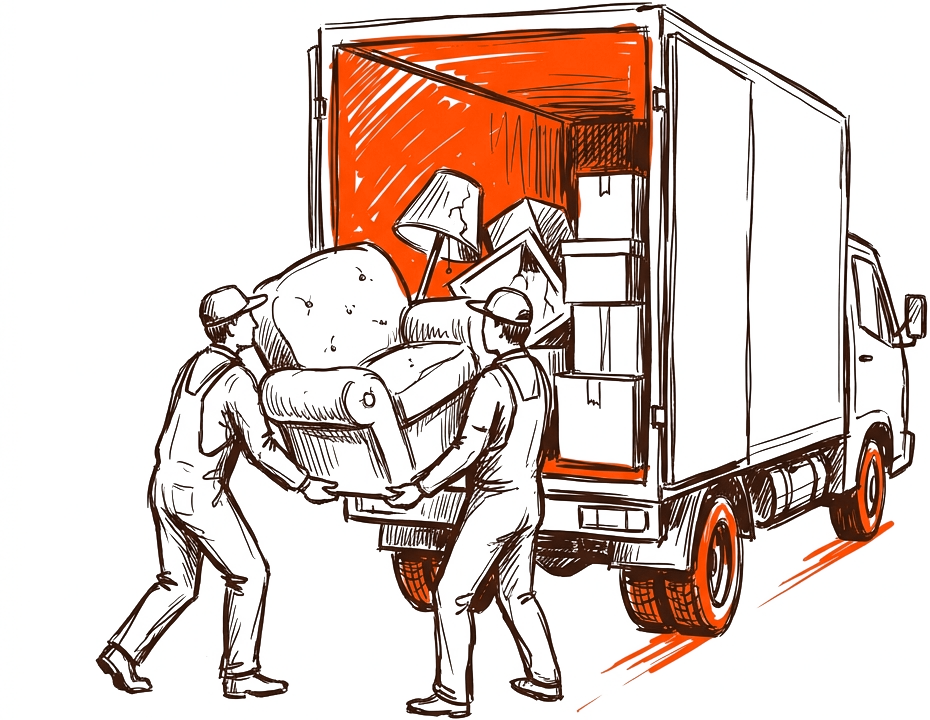
You are turning down jobs. You are hauling loads at 8pm because the calendar was too full during daylight. That is usually the moment a solo junk removal operator starts thinking about hiring. But going from one truck and one pair of hands to an actual crew is a real decision with real money attached. This is a contractor-to-contractor walkthrough of when a hire pencils out, what to delegate first, and how to keep jobs from falling apart once two people are working different corners of a house.
Key takeaways
- Hire when you are consistently booked and turning away work, not just because one week was busy.
- Delegate the physical labor first so you can keep quoting and selling jobs.
- A second body roughly doubles your daily load capacity, but only if scheduling and communication keep up.
- Nail down pay, workers' comp, and clear job handoffs before day one, not after.
Know When the Numbers Actually Justify a Hire
The wrong reason to hire is a single hectic week. The right reason is a pattern: you are booked out several days, you are declining jobs you could have run, and your body is telling you a one-person operation has a ceiling. That ceiling is real. A solo hauler can usually run 2 to 4 jobs a day depending on drive time and how heavy the loads are. Add a second person and you can often push to 5 to 7, because two people load a garage or a basement in a fraction of the time.
Before you post a job listing, look at your last 4 to 6 weeks honestly. If you are regularly full and saying no, the demand is there. If you had two good weeks and two slow ones, hiring will just spread thin revenue across two paychecks.
A worked example
Say your average job brings in $350 and you clear roughly 3 jobs a day solo. That is about $1,050 a day in revenue. You add a helper at $18 an hour for an 8-hour day, so around $144 in wages plus payroll taxes and workers' comp, call it $180 all-in per day.
With the extra set of hands you now run 5 jobs a day at $350, which is $1,750. That is $700 more revenue for $180 in labor cost. Even after fuel, dump fees, and the extra wear, you are clearly ahead, as long as the demand is steady enough to keep both of you moving. The math only works if those 5 jobs actually exist on the calendar most days.
The honest test
Track how many jobs you turned down in the last month. If a second person would have let you say yes to most of them, the hire probably pays for itself. If not, wait.
What to Delegate First
Your instinct might be to hand off the annoying admin stuff first. Resist that. The most valuable thing you do is win and price jobs, so protect that. Delegate the physical labor first and keep yourself free to quote, answer the phone, and sell.
For a first hire, that usually means a laborer or driver-helper who handles the heavy lifting and load-outs while you either work alongside them on big jobs or peel off to give estimates. Good things to hand off early:
- Loading and hauling under your direction on the truck
- Dump and recycling runs once they know the routine
- Basic site prep, floor protection, and cleanup
- Truck checks: fuel, straps, dolly, PPE
Hold off on delegating pricing, customer negotiation, and money handling until you trust the person and have trained them. The quote is where your margin lives, and a new hire underpricing a job to seem helpful costs you more than a slow load-out.
Employee or Contractor, and What It Costs
A lot of junk removal owners try to keep it simple by calling their first hire a 1099 contractor. Be careful. If you control their schedule, tell them how to do the work, and provide the truck and tools, tax authorities generally treat that as an employee. Misclassification penalties are not worth the shortcut.
Budget for the true cost of an employee, not just the hourly wage. Typical add-ons include payroll taxes, workers' compensation insurance, which matters a lot in a job with lifting and driving, and any equipment or uniform you provide. A rough rule many owners use: the fully loaded cost of an employee runs meaningfully above the raw hourly rate once you stack all of that on. Price your jobs with that reality in mind.
Keep Jobs Coordinated Once You Have a Crew
This is where most first hires get messy. When you were solo, all the information lived in your head. Add a second person and every gap in your process becomes a missed appointment, a wrong address, or a customer who was quoted one price and told another on site.
You need a single source of truth that both of you can see. Everyone should know today's stops, the address, the scope, the quoted price, gate codes, and any special notes before the truck rolls. When that lives in a shared system instead of scattered texts, the day runs smoother.
- Set the schedule the night before so nobody is guessing in the morning.
- Put the full scope and quoted price on every job so the crew is not renegotiating at the curb.
- Confirm each job with the customer so no-shows do not waste a two-person crew.
- Standardize the load-out and cleanup so any crew member does it the same way.
- Collect payment on site the same way every time, with clear rules for who handles the card.
Two trucks, or two on one truck?
Most owners keep both people on one truck at first. Splitting into two trucks doubles your admin and your risk. Only split when demand is consistent enough to keep both trucks full most days.
Set Expectations and Onboard Fast
Junk removal is physical and customer-facing, so a good hire needs more than muscle. They are in someone's home, so professionalism matters. Spend the first week riding along and correcting on the spot rather than assuming they will figure it out.
Cover the basics clearly up front: start time and reliability, how you want them to talk to customers, safe lifting, floor protection, what goes to the dump versus donation versus recycling, and how payment gets handled. Write it down. A one-page crew standard beats a long handbook nobody reads.
Also be clear about pay: hourly rate, whether there is any per-job bonus, how overtime works, and pay dates. Ambiguity about money is the fastest way to lose a good first hire.
Brivium keeps a small crew on the same page with branded quotes, simple scheduling, and card payments you can collect on site, so nobody is guessing the address or the price at the curb.
Start free trialThe Bottom Line
Hire when the demand is real and steady, not after one busy week. Delegate the lifting first so you stay free to sell and price. Classify and insure the person correctly, and put every job's details in one place both of you can see. Do that, and your first hire turns a capped solo operation into a crew that can actually grow.
Start with one good person, tighten your process, and let the numbers prove out before you add a second truck. Slow and steady beats hiring three people into a business that was only ever full half the time.
Frequently asked questions
When should I hire my first junk removal employee?
Hire when you are consistently booked and turning away jobs over several weeks, not after a single busy stretch. If a second set of hands would let you say yes to most of the work you are declining, the hire likely pays for itself.
Should my first hire be a W-2 employee or a 1099 contractor?
If you set their schedule, direct how they work, and provide the truck and tools, they are usually an employee for tax purposes. Misclassifying to save money can bring penalties, so most first junk removal hires should be W-2 with workers' comp.
What should I delegate to a new junk removal hire first?
Delegate the physical labor first: loading, hauling, dump runs, site prep, and cleanup. Keep quoting, pricing, and money handling for yourself until the person is trained and trusted, since that is where your margin lives.
How do I keep jobs coordinated once I have a crew?
Use one shared system so both of you see the day's stops, addresses, scope, quoted price, and notes before the truck rolls. Confirm jobs with customers, standardize load-out and payment, and set the schedule the night before.