
Window Cleaning
How to Start a Window Cleaning Business
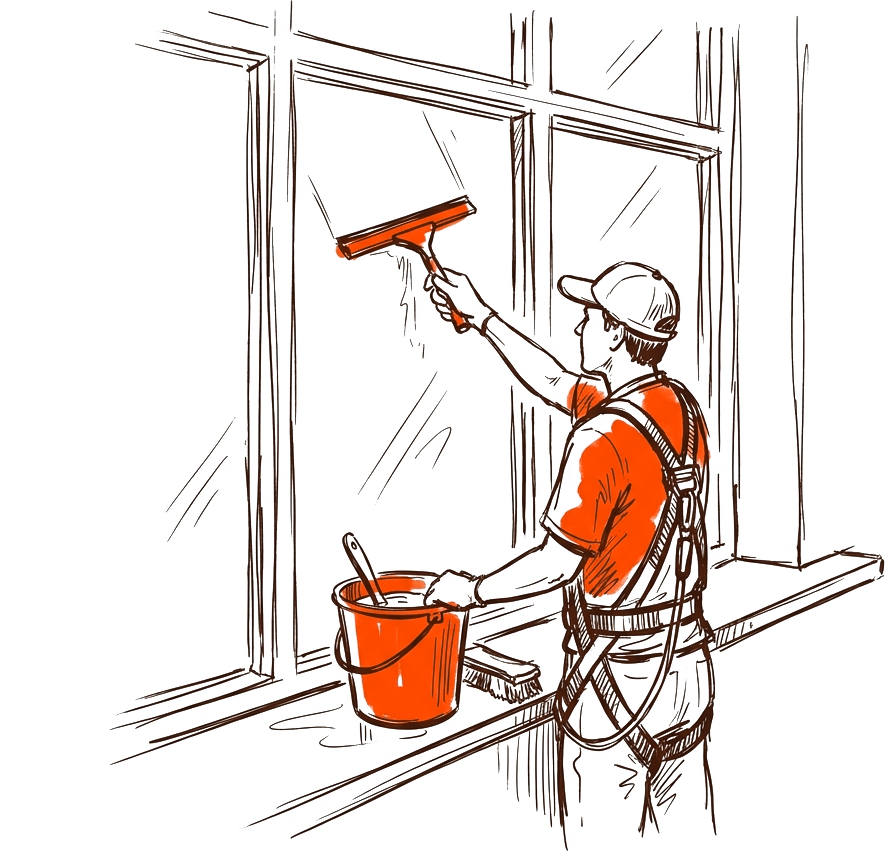
Window cleaning is one of the lowest-barrier trades to start. You can get rolling with a few hundred dollars in gear, a truck or even a reliable car, and the willingness to knock on doors. But low startup cost does not mean easy. The owners who last build real systems: consistent pricing, clean paperwork, repeat customers, and a way to get paid fast. This guide walks you through the practical steps to launch and run a window cleaning business in the US, contractor to contractor.
Key takeaways
- You can start lean, but you still need the right insurance and a legal business setup before your first paid job.
- Price by the hour you want to earn, not by guessing. Know your target hourly rate and build quotes backward from it.
- Your first clients come from your existing network, door hangers, and local online groups, not expensive ads.
- Tight scheduling, fast invoicing, and card payments are what separate a side hustle from a real business.
Get the Legal and Insurance Basics Right
This is not legal advice, and rules vary by state and city, so confirm the specifics with your local authorities or an advisor. That said, here is the general path most new window cleaners follow.
- Pick a business structure. Many solo operators start as a sole proprietor or an LLC. An LLC adds a layer of personal liability protection and usually looks more professional to commercial clients.
- Register your business name and get an EIN from the IRS if you plan to hire or open a business bank account.
- Check local licensing. Some cities require a general business license or a specialty contractor registration. Residential-only work is often lighter on requirements than commercial.
- Open a separate business bank account. Mixing personal and business money is the fastest way to lose track of profit.
On insurance, general liability is the one most clients will ask about before they let you near their glass. A typical starter policy covers accidental damage to a customer's property, which matters a lot when you are working around panes, screens, and landscaping. If you hire employees, most states require workers' compensation. If you plan to work above the first floor using ladders or poles, talk to your agent about the right coverage for that height.
Carry proof
Keep a current certificate of insurance on your phone. Property managers and commercial accounts often ask for it on the spot, and having it ready wins jobs.
Buy the Right Starter Tools, Not Everything
Resist the urge to buy every gadget. A solid residential kit gets you earning immediately, and you can reinvest profit into water-fed poles and advanced gear later.
- Squeegees in multiple widths, plus quality rubber
- A quality washer or scrubber sleeve and a soft-bristle brush
- Microfiber cloths and scrim towels for detailing edges
- A bucket, a cleaning solution or dish soap concentrate, and a hand-held spray bottle
- An extension pole and a sturdy ladder rated for your weight plus gear
- A tool belt or holster, scrapers for stubborn spots, and a drop cloth to protect sills
A functional starter kit typically runs a few hundred dollars. A water-fed pole system for high windows is a bigger investment, often a four-figure purchase, so hold off until your schedule justifies it.
Price So You Actually Make Money
Underpricing is the number one reason new window cleaners burn out. Do not pull a number out of the air. Decide the hourly rate you want to clear, then build your quotes to hit it.
Common pricing methods: per pane, per window, or by the hour. Per-pane pricing is easy to explain to residential clients. Flat per-job pricing feels cleaner to the customer. Whatever you show them, you should be calculating your own target hourly rate behind the scenes.
A Worked Example
Say you want to earn 75 dollars per hour of actual working time. You walk a house with 24 standard panes, inside and out, plus a few screens. From experience you estimate it takes you 2 hours.
- Target: 75 dollars per hour times 2 hours equals 150 dollars in labor.
- Add a materials and travel buffer of about 15 dollars.
- Round to a clean quote: 165 dollars for the job.
- Per pane that is roughly 6.90 dollars inside and out, which you can present as a simple per-window rate if the client prefers.
Track how long jobs really take for your first month. If that 2-hour house keeps taking 3 hours, your effective rate just dropped to 50 dollars per hour, and you need to either speed up or raise prices. Honest time tracking is how you find out whether you are actually profitable.
Set a minimum
Create a minimum service charge, often in the 75 to 125 dollar range, so small jobs still cover your drive time and setup.
Land Your First Clients
You do not need a big ad budget to fill your first weeks. Start with warm channels and work outward.
- Tell everyone you know. Friends, family, and former coworkers are your fastest first jobs and best referral sources.
- Walk a target neighborhood and hang door hangers after you finish a job. Freshly cleaned windows on one house are proof for the whole street.
- Post in local Facebook groups, Nextdoor, and community boards. Be specific about your area and offer a small intro discount.
- Claim your free Google Business Profile. Reviews there will drive calls for years.
- Approach small commercial spots: restaurants, boutiques, real estate offices. These become recurring monthly or quarterly contracts, which is the steadiest money in this trade.
When you finish a job, ask for a review and a referral while the customer is standing there admiring the clean glass. That moment is your best marketing.
Build Systems So the Business Runs Smoothly
The cleaning is the easy part. The parts that make or break you are quoting fast, showing up on time, and getting paid without chasing checks. Pros set these up on day one instead of waiting until the chaos forces it.
- Quotes: send a clear, branded quote within 24 hours. Speed wins jobs.
- Scheduling: block your day by route to cut drive time, and confirm with the customer the day before.
- Payments: take a card on-site. Waiting on mailed checks ties up your cash.
- Follow-up: set reminders to rebook recurring clients every quarter or season. Repeat work is pure profit compared to finding new customers.
Brivium keeps these pieces in one place, so you can send branded quotes, schedule routes, and take card payments on-site, which means you get paid the same day instead of chasing invoices.
Start free trialPlan for Growth From the Start
Once you are booked out, the next move is leverage. That usually means hiring your first helper, adding a water-fed pole system to open up second-story and commercial work, or stacking recurring contracts so your calendar is predictable. Reinvest a set percentage of every job into better gear and marketing. Keep your bookkeeping clean so you know your real numbers when it is time to hire or buy a second vehicle. A window cleaning business can stay a profitable solo operation or grow into a multi-crew company. Either way, the owners who win are the ones who treat the back office as seriously as the glass.
Start lean, price with discipline, deliver spotless work, and make it effortless for people to pay you and rebook. Do that consistently and you will have more work than you can handle inside your first year.
Frequently asked questions
How much does it cost to start a window cleaning business?
A lean residential startup is realistic for a few hundred to around a thousand dollars, covering squeegees, poles, a ladder, cloths, and cleaning solution. Insurance, licensing, and a water-fed pole system add more as you grow.
Do I need a license to clean windows?
It depends on your city and state. Many areas require a general business license, and some require specialty registration, especially for commercial work. Check with your local authorities, since residential-only work is often lighter on requirements.
How much should I charge for window cleaning?
Price by your target hourly rate. Decide what you want to earn per hour, estimate the job time, and build the quote backward. Many operators also set a minimum service charge in the 75 to 125 dollar range to cover travel and setup.
How do I get my first window cleaning clients?
Start with your personal network, hang door hangers in neighborhoods where you just worked, post in local online groups, claim your Google Business Profile, and approach small commercial spots for recurring contracts.