
Tree Service
How to Start a Tree Service Business
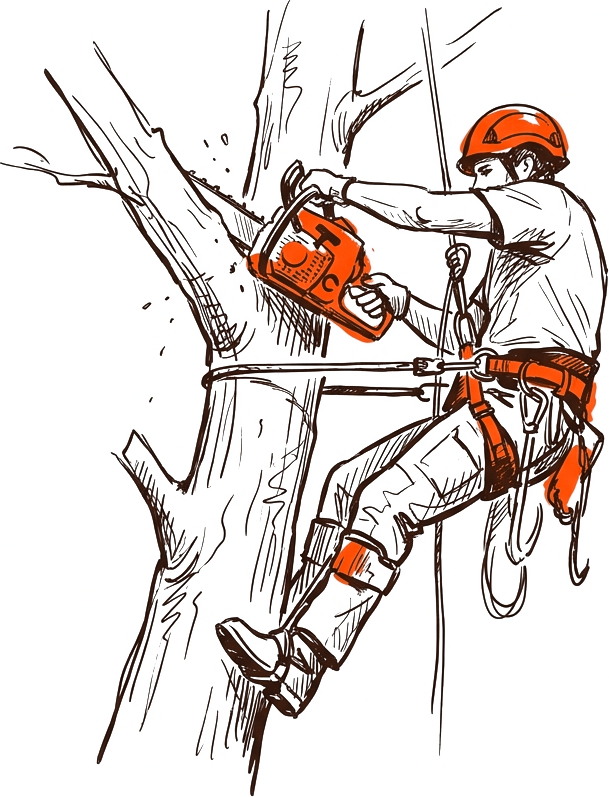
Starting a tree service business is one of the faster ways to turn chainsaw skills and a solid work ethic into real revenue. Demand is steady in most US markets, the barrier to entry is lower than trades like HVAC, and good crews can book out weeks ahead. But the gap between a guy with a saw and a real business comes down to a few things: proper insurance, smart pricing, and a system to quote, schedule, and get paid. This guide walks through the practical steps to get started the right way.
Key takeaways
- Insurance (general liability plus workers' comp) is non-negotiable in tree work. It protects you and wins bigger jobs.
- Price by the job, not the hour, and build in travel, cleanup, disposal, and risk.
- Your first 10 clients come from referrals, local reviews, and showing up fast with a clean quote.
- A simple system for quotes, scheduling, and payments keeps cash flowing and you off the phone at night.
Handle Licensing and Insurance First
Requirements vary a lot by state and even by city, so this is general guidance, not legal advice. Before you take your first paid job, check what your state and municipality require. Some states license tree care or arborist work directly, others require a contractor's license above a certain dollar threshold, and many cities require a local business license plus a permit for work near public trees or power lines.
Here is a sensible baseline most new tree service owners should set up:
- Register your business (LLC is common for liability protection) and get an EIN.
- General liability insurance: this covers property damage, which is a real risk when you drop limbs near houses, fences, and cars.
- Workers' compensation: required in most states the moment you have employees, and often expected by commercial clients even for solo operators.
- Commercial auto for your truck and trailer.
- An ISA Certified Arborist credential if you want to compete for higher-value and municipal work.
Insurance is a sales tool
Homeowners and property managers ask for a certificate of insurance before serious jobs. Being able to send one instantly is often the reason you win the bid over a cheaper, uninsured competitor.
Get Your Equipment and Startup Costs Straight
You do not need a bucket truck to start. Plenty of successful crews begin with climbing gear and build up as cash flow allows. Starting lean keeps you from financing equipment you cannot yet keep busy.
A typical starter kit for a residential tree service looks like this:
- Climbing gear: saddle, ropes, lanyards, helmet, and PPE.
- Two or three chainsaws (a top-handle, a mid-size, and a larger felling saw).
- A chipper (buying used or renting early on is common).
- A dump trailer or dump truck for hauling.
- Stump grinder (rent until demand justifies owning one).
- Ground tools: rakes, tarps, pole saw, blower.
Typical startup costs range widely, from a few thousand dollars for a lean climbing-and-chipper-rental setup to well over fifty thousand if you buy a chipper, stump grinder, and a reliable truck outright. Start where your current cash and credit allow, then reinvest.
Price Jobs So You Actually Make Money
The most common mistake new owners make is pricing by gut feel and underbidding. Tree work carries real risk and real overhead, so price by the job and build every cost into the number. Factor in crew labor, travel, equipment wear, fuel, disposal fees, insurance, and a margin for risk and profit.
Here is a simplified worked example for a medium oak removal near a house:
- Crew: 3 workers for 6 hours at $35 per hour loaded cost = $630.
- Equipment and fuel (saws, chipper, truck): $150.
- Disposal and dump fees: $120.
- Overhead allocation (insurance, phone, admin): $200.
- Subtotal cost: $1,100.
Add a margin for profit and risk. At a 40 percent markup, your price is about $1,540. Round it to $1,550 and you have a quote that keeps the lights on and pays you for the risk of dropping a large tree near a roof. If the job needs a crane or the tree is over power lines, that number climbs fast and should.
Charge for the hard stuff
Proximity to structures, power lines, poor access, and large-diameter trunks all raise risk. Never price a tricky removal the same as an open-yard job just to match a competitor.
Land Your First Clients
Your first jobs build the referral engine that carries the business later. Focus on fast response, professional quotes, and clean work that earns reviews.
- Set up a Google Business Profile and ask every happy customer for a review. Local reviews are the single biggest lever for home-service leads.
- Tell everyone you know you are open for business, including landscapers, real estate agents, and property managers who refer out tree work.
- Respond to leads within the hour. Speed wins more jobs than price in many cases.
- Send a clean, written quote the same day instead of a scribbled number on a business card.
- Knock on neighbors' doors after a visible job. If a crew is already in the area, a quick side quote is low-friction work.
After storms, demand spikes. Be ready to quote fast and prioritize safe, insured work. Reputation built during a busy season carries you through slow months.
Set Up Systems to Run the Business
The work on the ground is only half the job. The other half is quoting, scheduling, invoicing, and chasing payment. Early on you can run it from a notebook and your phone, but that breaks down fast once you have multiple crews and a dozen quotes outstanding.
At minimum you want a clear way to:
- Send professional, branded quotes that customers can approve quickly.
- Schedule crews and avoid double-booking or forgotten jobs.
- Invoice right after the work and take card payments on site.
- Keep a business phone line separate from your personal cell.
- Track which quotes turned into jobs so you know what is actually profitable.
Brivium pulls this into one app: send branded quotes, schedule your crews, and get paid faster with card payments and invoicing, all from the same place you answer your business phone line.
Start free trialPlan to Grow Without Getting Buried
Once leads are steady, the next challenge is capacity. Growth usually means hiring a second crew, buying the equipment you were renting, and spending more time estimating than cutting. Track your numbers so you know your real cost per job and your close rate on quotes. If you win 7 of every 10 quotes, you may be pricing too low. If you win 2 of 10, you may be slow to respond or your quotes look unprofessional.
Reinvest profit into the equipment that removes bottlenecks, usually a chipper and a reliable dump truck first, then a stump grinder. Hire for attitude and safety awareness, because one careless mistake in tree work can cost more than a month of profit.
Final Word
Starting a tree service business rewards people who combine real skill with real business discipline. Get insured, price for risk, respond fast, and build systems early. Do those four things and you will separate yourself from the uninsured, underpriced crews that come and go every season.
Frequently asked questions
How much does it cost to start a tree service business?
It varies widely. A lean setup with climbing gear and rented equipment can start in the low thousands, while buying a chipper, stump grinder, and reliable truck outright can exceed fifty thousand dollars. Start with what your cash and credit allow, then reinvest profit.
Do I need a license to run a tree service?
It depends on your state and city. Some states license arborist or tree care work, others require a contractor's license above a dollar threshold, and many cities require a local business license. Check your local requirements before taking paid work.
What insurance does a tree service need?
At minimum, general liability to cover property damage, workers' comp once you have employees (and often expected even for solo operators), and commercial auto for your truck and trailer. Clients frequently ask for a certificate of insurance before hiring.
How do I price tree removal jobs?
Price by the job, not the hour. Add up crew labor, equipment and fuel, disposal fees, and overhead, then apply a margin for profit and risk. Charge more for trees near structures, power lines, or with difficult access.