
Pressure Washing
How to Start a Pressure Washing Business
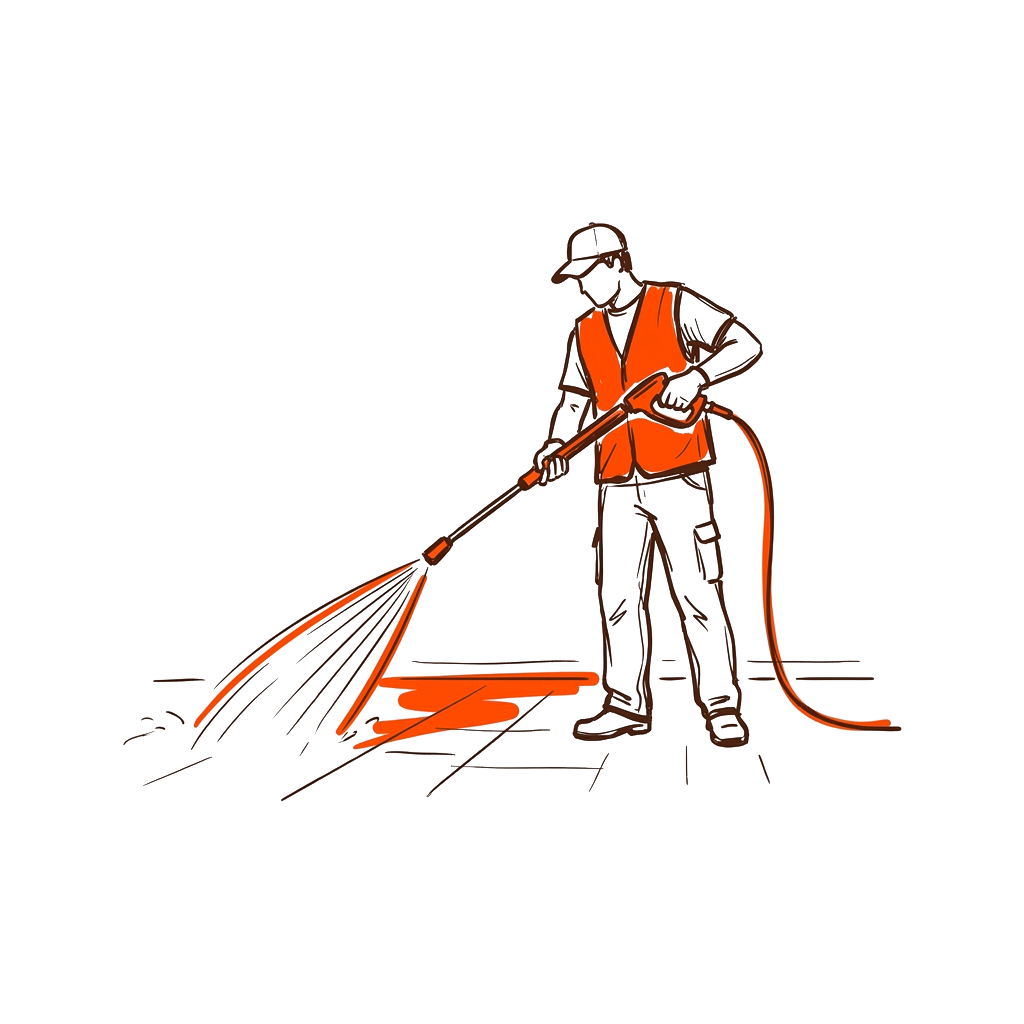
Pressure washing is one of the cheapest trades to break into and one of the easiest to underprice yourself out of. You can start with a solid machine, a truck, and a few hundred dollars in chemicals, then be booked out in a season if you handle the basics right. This guide walks through the setup that actually matters: legal groundwork, real pricing, landing your first paying jobs, and the systems that keep the money flowing once you are busy.
Key takeaways
- You can launch lean, but insurance and a business bank account are non-negotiable from day one.
- Price by the job using square footage and setup time, not a flat hourly guess.
- Your first 10 clients come from your network, neighborhoods, and fast follow-up, not fancy ads.
- Getting paid on the spot and staying organized beats buying more gear early on.
Handle the legal and insurance basics first
None of this is legal advice, and rules vary by state and city, so confirm locally. That said, most pressure washing operators cover the same short list before their first paid job.
- Register your business: An LLC is a common choice for liability separation, but a sole proprietorship works to start. Get an EIN so you are not using your personal Social Security number on paperwork.
- Open a business bank account: Keep business and personal money separate from the first dollar. It makes taxes and bookkeeping far less painful.
- Get general liability insurance: This is the big one. If a high-pressure stream cracks a window or damages siding, you want coverage. Typical GL policies for a new operator run a few hundred to just over a thousand dollars per year.
- Check local licensing and water rules: Some cities require a business license and have wastewater or runoff rules, especially for surfactants and reclaim. Ask about capturing or diverting runoff before you spray a commercial lot.
Do not skip insurance to save money
One damaged vehicle or window can cost more than a full year of premiums. Clients, especially commercial ones, will ask for proof of insurance before they hire you.
Buy the right starter gear, not the most expensive
You do not need a trailer rig to start. You need equipment that finishes jobs cleanly and does not break down mid-driveway.
- A gas pressure washer in the 3,000 to 4,000 PSI range with adjustable GPM.
- A surface cleaner attachment, which pays for itself fast on driveways and concrete.
- Quality hoses, quick connects, and a range of nozzle tips.
- A soft wash setup (downstream injector or dedicated pump) for house exteriors and roofs, since high pressure damages siding and shingles.
- Sodium hypochlorite, surfactants, and a degreaser for the common jobs.
- Basic PPE: eye protection, gloves, and non-slip footwear.
Learn the difference between pressure washing and soft washing early. A lot of residential work, siding, roofs, fences, is soft wash with chemicals doing the cleaning, not raw PSI. Blasting a house with 4,000 PSI is how new operators put holes in stucco and strip paint.
Price so you actually make money
The two big pricing mistakes are guessing hourly and racing competitors to the bottom. Instead, price by the job using square footage and your target hourly earnings. Most operators land in these typical ranges:
- Concrete and driveways: around $0.15 to $0.35 per square foot.
- House soft wash: around $0.15 to $0.40 per square foot of surface.
- Roof soft wash: often $0.30 to $0.60 per square foot given the risk and care involved.
- Minimum service charge: $150 to $250, because loading, driving, and setup cost you the same on small jobs.
Worked example: a residential driveway and house
Say a customer wants a 600 square foot driveway plus a 1,600 square foot house wash.
- Driveway: 600 sq ft x $0.25 = $150.
- House soft wash: 1,600 sq ft x $0.20 = $320.
- Subtotal: $470.
- Estimated time on site: about 3 hours. That works out to roughly $157 per hour before costs.
- Subtract chemicals and fuel, maybe $30 to $50 for this job, and you keep around $420 to $440.
That is a healthy solo day. Now compare it to charging $250 flat because a competitor quoted low. You would be leaving nearly half your revenue on the table for the same work and the same risk. Price the value and the risk, not the hour.
Land your first 10 clients
Early on you are not running a marketing machine, you are hustling for proof and reviews. The goal is momentum and photos.
- Tell your network: Friends, family, and neighbors. Offer a fair first-job rate in exchange for a review and permission to post before and after photos.
- Work one neighborhood at a time: When you book a job, knock on the two or three houses on either side and offer a same-day discount while your rig is already there.
- Post visual proof: Before and after content on Facebook, Nextdoor, and local groups converts better than any polished ad in this trade.
- Set up a Google Business Profile: Free, and it is how local customers find and trust you. Ask every happy client for a review.
- Follow up fast: Send the quote within a few hours, not a few days. Speed wins jobs in field service more than price does.
Photos are your best salesperson
Take a clean before shot and a dramatic after shot on every single job. That library becomes your portfolio, your ads, and your credibility all at once.
Build simple systems before you get busy
The operators who burn out are usually the ones drowning in texts, sticky notes, and unpaid invoices. Set up light systems now so growth does not bury you.
- Quotes: A clean, consistent quote template that looks professional and goes out fast.
- Scheduling: One calendar for jobs so you never double-book or forget a follow-up.
- Payments: Take cards on site. Waiting on mailed checks kills your cash flow.
- Invoicing: Send it before you leave the driveway while the work is fresh and the customer is happy.
- Tracking: Know your revenue, your chemical and fuel costs, and which job types pay best.
You can run this on a phone and a spreadsheet at first. The moment you are quoting several jobs a week, patched-together tools start costing you money in missed follow-ups and slow payments.
Brivium keeps the business side simple: send branded quotes in minutes, schedule crews and jobs in one place, and get paid on site with card payments so you are not chasing checks.
Start free trialGrow without breaking what works
Once you are consistently booked, resist the urge to buy every upgrade. Reinvest in the things that raise your hourly rate: a surface cleaner, a better soft wash setup, and eventually a second set of hands. Add commercial accounts, restaurants, HOAs, property managers, because they buy on schedule and often on contract. A single monthly commercial route can stabilize your income more than a dozen one-off residential jobs. Track your numbers, keep your reviews coming, and add gear only when it clearly pays for itself in faster or bigger jobs.
Starting a pressure washing business is not complicated, but it rewards discipline: cover your legal basics, price for profit, hustle for the first clients, and stay organized so the money actually lands in your account.
Frequently asked questions
How much does it cost to start a pressure washing business?
Many operators start for roughly $1,500 to $5,000, covering a solid gas pressure washer, a surface cleaner, a soft wash setup, hoses, chemicals, insurance, and basic registration. You can go leaner if you already own a truck.
Do I need a license to pressure wash?
It depends on your city and state. Many areas require a general business license, and some have wastewater or runoff rules for commercial work. Always confirm local requirements before your first paid job. This is general information, not legal advice.
How much should I charge for pressure washing?
Price by the job using square footage. Typical ranges are about $0.15 to $0.35 per square foot for concrete and $0.15 to $0.40 for house soft washing, with a minimum service charge of $150 to $250 to cover setup and travel.
Is pressure washing profitable as a solo operator?
Yes. With smart pricing, a solo operator can often clear $150 or more per hour on site before costs. Keeping chemical, fuel, and travel costs low and staying booked is what turns that into a full-time income.