
Landscaping
How to Start a Landscaping Business
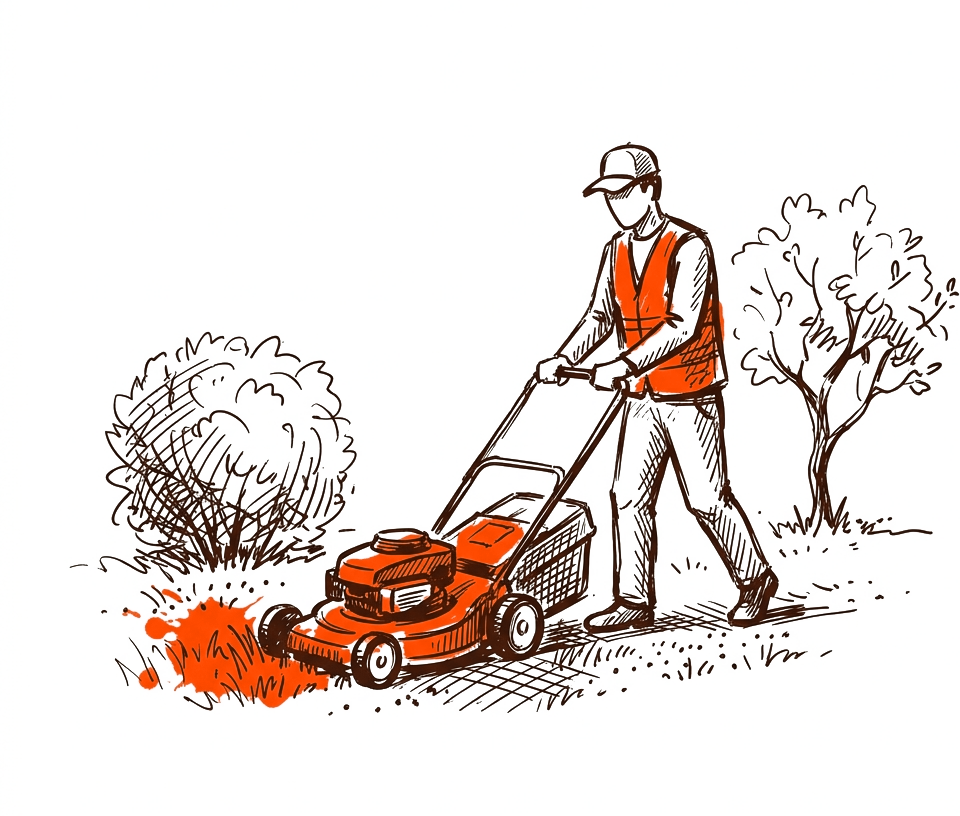
Starting a landscaping business is one of the more forgiving ways to go out on your own. You can begin with a truck, a trailer, and a couple of core machines, then scale as the work comes in. But the folks who last past year one are usually the ones who treat it like a business from day one: they price for profit, get their paperwork right, and make it dead simple for customers to pay. This guide walks through the practical steps, with real numbers where they help.
Key takeaways
- You can start lean, but register the business, carry liability insurance, and open a separate bank account before your first paid job.
- Price off your true costs plus a target profit margin, not off what the guy down the road charges.
- Your first 10 clients come from your network, door hangers, and showing up when you say you will.
- The right software for quotes, scheduling, and payments saves hours every week and helps you look professional to win better jobs.
Decide what kind of landscaper you want to be
Landscaping covers a lot of ground. Before you buy equipment, get specific about the work you actually want to do and can do well. The right niche keeps your marketing focused and your equipment list short.
- Maintenance: mowing, edging, trimming, cleanups. Recurring revenue, lower ticket per visit, predictable routes.
- Design and install: planting beds, sod, retaining walls, hardscape. Higher tickets, more skill, more upfront material cost.
- Specialty: irrigation, lighting, tree work, snow removal in colder markets. Often less competition and better margins.
Most new operators start with maintenance because it builds steady cash flow and a client base you can upsell later. Pick a lane, get good, then expand.
Handle the business basics: licensing, insurance, and money
Requirements vary by state, county, and city, so check your local rules. This is general guidance, not legal advice. That said, a few things apply almost everywhere and are worth doing before you take money for a job.
- Choose a business structure. Many solo operators form an LLC to separate personal and business liability. A tax professional can point you the right way.
- Register the business and get an EIN from the IRS so you are not using your personal Social Security number on paperwork.
- Check local licensing. Some jurisdictions require a general business license, and specialty work like pesticide application or irrigation often needs a certification.
- Carry general liability insurance. Property damage happens: a rock through a window, a fence clipped by a mower. If you hire, look into workers' comp requirements for your state.
- Open a separate business checking account and get a business debit or credit card. Never mix personal and business money.
Do this early
Set up a simple bookkeeping system in week one. Tracking income and expenses from the first dollar makes tax time painless and shows you which jobs actually make money.
Price for profit, not just to win the job
The fastest way to go broke is to price off feel or to match the cheapest bid in town. Build your price from your costs, then add the margin you want to keep. Start by knowing your hourly cost to operate.
A worked example
Say you want to net a solid wage plus keep the business healthy. Estimate your monthly costs first:
- Truck payment, fuel, and maintenance: about $900
- Equipment payments, repairs, and replacement fund: about $500
- Insurance: about $250
- Phone, software, and marketing: about $200
- Your target owner pay: about $4,000
That is roughly $5,850 in monthly cost to cover. If you can realistically bill 100 productive hours a month solo (allowing for drive time, quoting, and rain days), your break-even rate is about $58.50 per billable hour. To build in profit above your pay, price your work at $75 to $90 per hour. So a lawn that takes 45 minutes should bill around $56 to $68, not the $35 a lowballer quotes.
For install jobs, price materials at cost plus a markup (often 15 to 30 percent typical), add your labor hours at your billable rate, and include a line for disposal and dump fees. Always add a small contingency for surprises like buried debris or bad soil.
Land your first 10 clients
You do not need a fancy funnel to fill a route. You need proximity, visibility, and reliability. Early wins come from these plays:
- Tell everyone you know. Neighbors, family, your old boss, the guys at the parts counter. Word of mouth is your cheapest lead source.
- Work one neighborhood hard. Door hangers and yard signs turn one client into a route when houses are close together. Tight routes cut windshield time.
- Claim your Google Business Profile. It is free and puts you on the map for local searches. Ask happy customers for reviews.
- Post before and after photos. A clean edge and a fresh mow line sell better than any ad copy.
- Show up on time and finish clean. Nothing markets you better than a job done right on a visible street.
Send quotes fast
Speed wins jobs. The contractor who sends a clear, branded quote within a few hours often beats the one who takes three days, even at a higher price.
Buy the right equipment without overspending
Gear is where new owners blow their budget. Buy for the work you have booked, not the work you hope to have. A quality commercial mower earns its keep, but you can rent or subcontract specialty machines until demand is proven.
- Core maintenance kit: a reliable truck and trailer, a commercial mower, a string trimmer, an edger, a blower, and hand tools.
- Buy commercial-grade on the tools you use daily. Homeowner-grade equipment fails under professional hours.
- Consider quality used equipment from operators upgrading their fleet. It stretches your startup dollars.
- Track maintenance. A seized engine on a Monday can cost you a whole day of revenue.
Set up systems so you can actually run the business
Once the phone rings, the office work piles up: quotes to send, jobs to schedule, crews to route, invoices to chase. Doing this by hand with a notebook and text messages works for a week or two, then it starts costing you money and missed appointments. The operators who grow are the ones who put simple systems in place early.
- Standardize your quotes so every one looks professional and lists scope, price, and terms.
- Keep a single schedule your whole crew can see, so nobody double-books or forgets a stop.
- Invoice the same day you finish and let customers pay by card. Faster invoices mean faster cash.
- Answer your business line and reply to leads quickly. Missed calls are lost jobs.
Brivium keeps all of that in one place: send branded quotes in minutes, schedule jobs and crews on a shared calendar, and get paid on the spot with card payments so you spend more time in the field and less time chasing checks.
Start free trialA simple 30-day launch plan
- Week 1: Register the business, get your EIN, open a business account, and line up liability insurance.
- Week 2: Nail down your services and pricing using the cost-based method above. Set up quotes, scheduling, and payments.
- Week 3: Buy or confirm core equipment. Claim your Google Business Profile and print door hangers and yard signs.
- Week 4: Work your network, canvass one neighborhood, and book your first jobs. Send every quote fast and finish every job clean.
Do this and you will not just start a landscaping business, you will start one that pays you and keeps its customers. The work is straightforward. The discipline around pricing, paperwork, and follow-through is what separates the crews that last from the ones that fold by fall.
Frequently asked questions
How much does it cost to start a landscaping business?
Many solo operators start for a few thousand dollars if they already have a truck, then more once you add a commercial mower and trailer. Buying quality used equipment and starting with maintenance work keeps startup costs low.
Do I need a license to start a landscaping business?
It depends on your state, county, and city. Many areas require a general business license, and specialty work like pesticide application or irrigation often needs certification. Check your local rules before taking paid work.
How do I price landscaping jobs?
Start from your true cost per billable hour, then add your target profit. Price maintenance by the hour and install jobs by materials at cost plus markup, plus labor and disposal. Do not just match the cheapest local bid.
How do I get my first landscaping clients?
Tell your network, work one neighborhood with door hangers and yard signs, claim your Google Business Profile, post before and after photos, and send clear quotes fast. Reliable, visible work drives referrals quickly.