
Garage Doors
How to Start a Garage Door Business
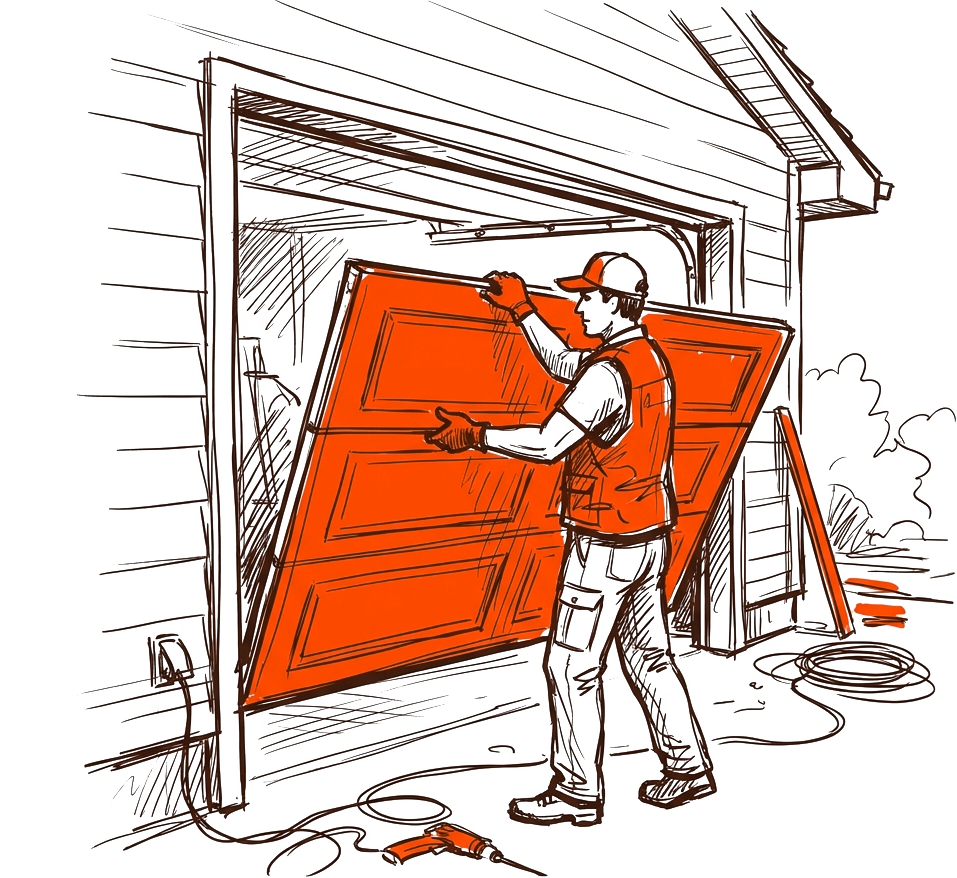
If you can hang a door, swap a spring, and tune an opener, you already have the hardest part handled. The rest is turning those skills into a business that pays well and runs clean. This guide walks through the practical stuff: getting legal, pricing jobs so you actually profit, landing your first customers, and setting up the tools to keep it all organized. No fluff, just what you need to go from your first truck to a steady book of work.
Key takeaways
- Get your licensing, insurance, and business entity sorted before you take paying work. Rules vary by state and city, so check locally.
- Price from your true costs plus a healthy margin, not just by matching the cheapest competitor.
- Your first clients come from people who already trust you: referrals, local search, and showing up fast.
- A simple system for quotes, scheduling, and getting paid matters as much as your wrench skills.
Get the legal and insurance basics in place
This is general guidance, not legal advice, so confirm the specifics with your state and local authorities. That said, most new garage door businesses need to handle the same short list before taking paid work.
- Business entity: Many owners start as an LLC for liability separation, but a sole proprietorship is simpler to open. Talk to an accountant about what fits your situation.
- EIN and business bank account: Keep business money separate from personal from day one. It saves massive headaches at tax time.
- Licensing: Some states require a contractor license for garage door work, others regulate it at the city or county level, and some have no specific license at all. Check before you quote your first job.
- Insurance: At minimum, general liability. Add workers' comp once you hire, and commercial auto for your service vehicle.
- Sales tax: If you sell parts and doors, you likely need to collect and remit sales tax. Register with your state's revenue department.
Don't skip the insurance
A single garage door spring failure or a vehicle backed into during an install can cost more than a year of premiums. General liability is table stakes for winning commercial and property-manager work too.
Figure out your services and target customer
Garage door work splits into a few lanes, and the mix you choose shapes your pricing, inventory, and marketing. Most new operators start heavy on repair because it has fast turnaround and steady demand, then add installs as they build relationships.
- Repairs: Spring replacement, cable repair, roller and track work, opener troubleshooting. High volume, quick jobs, repeat customers.
- New installs and replacements: Higher ticket, more scheduling, usually tied to home renovations or builders.
- Opener and smart upgrades: Growing demand as homeowners want app control and battery backup.
- Commercial and property management: Rolling steel doors, loading docks, and recurring maintenance contracts. Harder to break into but stickier once you do.
Residential repair is the easiest entry point. You need less inventory, jobs close same-day, and happy customers refer their neighbors fast.
Price jobs so you actually make money
The number one mistake new owners make is pricing off what the cheapest competitor charges. Price off your real costs instead, then add margin. Your price has to cover parts, your labor, drive time, truck and fuel, insurance, tools, software, and profit. Profit is not a dirty word, it is what keeps you in business when a slow month hits.
A worked example: spring replacement
Say a torsion spring job takes about 90 minutes on site plus 30 minutes of drive time. Here is a simplified build-up:
- Parts (pair of springs): 70 dollars
- Your labor target at 90 dollars per billable hour for 2 hours (including drive): 180 dollars
- Truck, fuel, and overhead allocation: 25 dollars
- Subtotal cost basis: 275 dollars
Add a margin on top, not just a markup on parts. If you want a 35 percent margin, divide the cost by 0.65: 275 / 0.65 = roughly 423 dollars. Round to a clean service price like 425 dollars. That protects you when a job runs long or a spring size costs more than expected. Compare that to a shop that quotes 199 dollars to win the call and then loses money every time the job takes longer than planned.
Build flat-rate pricing
Customers love knowing the price up front, and flat-rate menus stop you from undercharging under pressure. Build a simple price book for your 10 to 15 most common jobs and quote from it every time.
Land your first clients
You do not need a huge marketing budget to fill a schedule. You need visibility where people search and proof that you do good work. Start with the channels that convert fastest for local service.
- Set up a Google Business Profile and fill it out completely with photos, service areas, and hours. This is often the single biggest source of calls for local trades.
- Ask every satisfied customer for a review the same day you finish the job. Momentum on reviews beats a slow trickle.
- Tell your existing network: past coworkers, family, neighbors, and other trades like plumbers and electricians who can refer overflow or complementary work.
- Partner with real estate agents and property managers who need fast, reliable repairs before closings and between tenants.
- Put clean signage on your truck and leave a magnet or card at every job.
Speed wins garage door work. A broken spring is an emergency when a car is trapped inside. The company that answers the phone and shows up today usually gets the job, even at a higher price.
Set up the tools to run the day-to-day
In the early days you can get by with a notebook and a phone. You will outgrow that fast. The difference between a stressed-out operator and a smooth one is usually the back office: quoting quickly, scheduling without double-booking, and collecting payment on the spot.
- Quotes: Send a clear, professional estimate while you are still on site or within the hour. Fast quotes close more jobs.
- Scheduling: Keep your calendar and your crew in sync so nobody drives across town twice.
- Invoicing and payments: Take card payments at the door and send invoices customers can pay from their phone. Getting paid day-of protects your cash flow.
- A business phone line: Keep work calls off your personal number so you can track missed calls and respond fast.
- Basic job tracking: Know what is scheduled, in progress, and awaiting payment at a glance.
Brivium keeps all of this in one place for trade crews: send branded quotes in minutes, schedule jobs without the double-booking mess, and get paid on the spot with card payments, so you can spend more time on doors and less on paperwork.
Start free trialPlan your first 90 days
Treat your launch like a project. A loose plan keeps you from spending money on the wrong things and helps you spot what is working.
- Weeks 1 to 2: Form your entity, open a business bank account, line up insurance, and confirm local licensing.
- Weeks 3 to 4: Build your flat-rate price book, stock your truck with common springs and parts, and set up quotes, scheduling, and payments.
- Weeks 5 to 8: Launch your Google Business Profile, tell your network, and chase your first 10 reviews.
- Weeks 9 to 12: Review which jobs are most profitable, tighten your pricing, and start building recurring commercial or property-manager relationships.
Starting a garage door business is less about gear and more about running clean: fair pricing, fast response, and a system that gets you paid. Nail those and the referrals take care of the rest.
Frequently asked questions
How much does it cost to start a garage door business?
Startup costs vary widely, but many solo operators begin in the low thousands to the low tens of thousands once you factor in a service vehicle, tools, starter inventory, insurance, licensing, and basic software. Starting with repairs keeps inventory costs down.
Do I need a license to start a garage door business?
It depends on your state and city. Some require a contractor license, others regulate it locally, and some have no specific requirement. Always confirm the rules with your state and local authorities before taking paid work.
How do I price garage door repairs?
Build your price from real costs: parts, your labor, drive time, truck and overhead, then add margin on top. Flat-rate pricing for your most common jobs keeps you consistent and stops you from underbidding under pressure.
How do I get my first garage door customers?
Start with a complete Google Business Profile, ask every customer for a review the same day, tap your existing network for referrals, partner with real estate agents and property managers, and respond fast since garage door issues are often urgent.