
Concrete
How to Price a Concrete Job
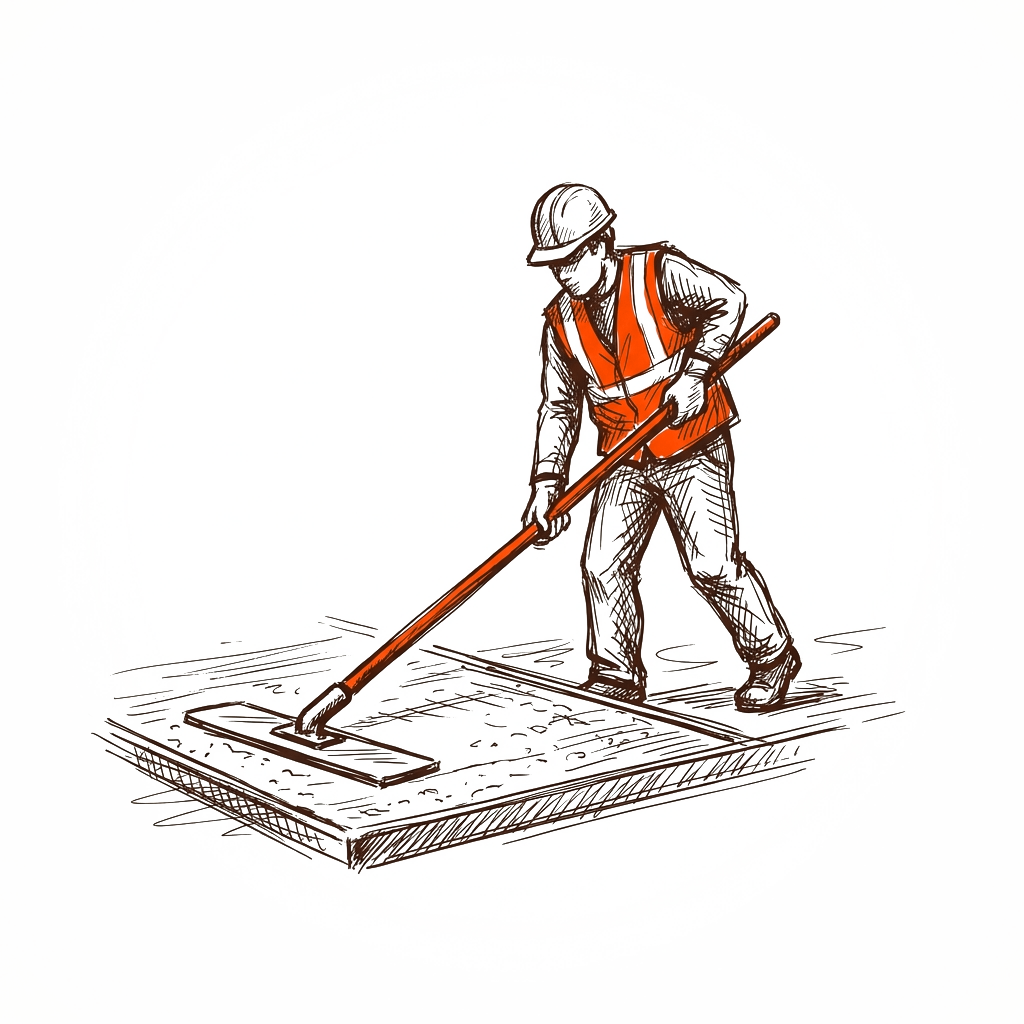
Pricing a concrete job wrong is one of the fastest ways to work hard and still lose money. Underbid and you eat the difference. Overbid and the customer walks. The goal is a number that covers every real cost, pays your crew, and leaves a profit you can count on. This guide walks through how to price a concrete job step by step: labor, materials, overhead, prep and complexity, and margin, with a full worked example so you can see the math.
Key takeaways
- Price from your real costs, not from what the last guy charged per square foot.
- Build your bid in layers: materials, labor, overhead, then add margin on top.
- Prep and site complexity are where estimates quietly bleed money.
- Aim for a target net margin of around 15 to 25 percent on most residential flatwork.
Start With the Scope, Not the Square Footage
Before you touch a calculator, nail down exactly what you are pouring. A 400 square foot patio and a 400 square foot driveway are not the same job. Slab thickness, rebar or mesh, finish type, and access all change the price.
Walk the site and confirm the details that drive cost:
- Total square footage and slab thickness (4 inch vs 6 inch changes concrete volume by 50 percent).
- Reinforcement: wire mesh, rebar, or fiber mix.
- Finish: broom, smooth trowel, stamped, colored, or exposed aggregate.
- Sub-base work: grading, gravel, compaction, forms.
- Access: can the truck pour directly, or do you need to buggy or pump it?
- Tear-out: is there existing concrete to demo and haul off?
Measure before you price
Get real dimensions on site. Guessing at footage from a photo or a customer's estimate is how a 'quick' pour turns into a losing job.
Calculate Your Materials
Concrete is sold by the cubic yard. To find your yardage, multiply length by width by thickness in feet, then divide by 27. Always add roughly 10 percent for waste, spillage, and uneven sub-grade.
For example, a 400 square foot slab at 4 inches thick: 400 x 0.33 feet = 132 cubic feet, divided by 27 = about 4.9 cubic yards. Add 10 percent and order about 5.4 yards.
Then add the rest of your materials list so nothing slips through:
- Ready-mix concrete (per yard, including any short-load or delivery fees).
- Gravel or crushed stone for the sub-base.
- Rebar, wire mesh, or fiber add-mix.
- Forms, stakes, form oil, and expansion joint material.
- Sealer, color, or stamp release if the finish calls for it.
- Consumables: blades, fuel, saw cuts, cleanup.
Price materials from current supplier quotes, not last year's numbers. Concrete and steel prices move, and a stale material cost quietly shrinks your margin on every bid.
Price Your Labor Honestly
Labor is where most contractors fool themselves. Do not just count the hours on site. Count travel, setup, forming, the pour, finishing, and cleanup. Then use your fully burdened labor rate, which includes wages plus payroll taxes, workers comp, and any benefits. That burden typically adds 20 to 35 percent on top of the base wage.
Say you have a three-person crew and the job takes 1.5 days. That is roughly 36 total labor hours. If your burdened rate is 45 dollars per hour, labor lands at about 1,620 dollars. Estimate the hours based on real jobs you have tracked, not on the fastest day you ever had.
Track your real production
If you know your crew pours and finishes about 300 to 500 square feet of flatwork per day, you can estimate labor hours quickly and defend your number with confidence.
Add Overhead and Site Complexity
Overhead is the cost of being in business even when you are not pouring: truck payments, insurance, fuel, equipment, phone, software, and your office time. A common approach is to add an overhead rate as a percentage of your direct costs, often in the 10 to 20 percent range depending on how lean you run.
Complexity is the multiplier people forget. The same slab costs more when the site fights you:
- Poor access that requires a pump, buggy, or wheelbarrow.
- Heavy grading, soft soil, or extra compaction.
- Tear-out and disposal of existing concrete.
- Stamped or colored finishes that add labor and skill.
- Tight timelines, weekend work, or working around other trades.
Add a real dollar figure for each complexity factor. Do not bury it in a vague 'per square foot' number and hope it covers itself.
Set Your Profit Margin and Build the Final Number
Profit is not what is left over. It is a line you plan for. Decide on a target net margin, often 15 to 25 percent for residential flatwork, and add it on top of all costs. Remember: markup and margin are different. To hit a 20 percent margin, you divide total cost by 0.80, you do not just add 20 percent.
Here is the full worked example for that 400 square foot, 4 inch patio with a broom finish and light grading:
- Concrete: 5.4 yards at 160 dollars = 864 dollars.
- Gravel, mesh, forms, consumables = 450 dollars.
- Labor: 36 hours at 45 dollars burdened = 1,620 dollars.
- Direct cost subtotal = 2,934 dollars.
- Overhead at 15 percent = 440 dollars.
- Total cost = 3,374 dollars.
- Price for a 20 percent margin: 3,374 divided by 0.80 = about 4,218 dollars.
That comes out to roughly 10.50 dollars per square foot, which is realistic for a simple patio in many US markets. Notice that if you had skipped overhead and margin, you might have quoted around 3,000 dollars and pocketed almost nothing for the risk and the wear on your equipment.
Common Concrete Pricing Mistakes
Even experienced crews leave money on the table. Watch for these:
- Copying a competitor's per square foot rate without knowing their costs or scope.
- Forgetting waste, short-load fees, and disposal costs.
- Using base wages instead of burdened labor rates.
- Leaving overhead out entirely, so profit disappears into truck and insurance bills.
- Confusing markup with margin and shorting yourself on every job.
- Not putting the scope in writing, which leads to change-order fights and unpaid extras.
With Brivium, you can turn these numbers into a clean, branded quote, schedule the pour, and collect card payment on the spot, so pricing right actually turns into getting paid right.
Start free trialPrice every concrete job in layers, defend your number with real costs, and put the scope in writing. Do that consistently and your bids stop being guesses and start being a system you can trust to make money.
Frequently asked questions
How much should I charge per square foot for concrete?
Simple flatwork often runs about 6 to 12 dollars per square foot, but that is an output, not an input. Build your price from actual materials, labor, overhead, and margin, then check the per square foot number for sanity.
What profit margin is normal on a concrete job?
Many residential concrete contractors target a net margin of around 15 to 25 percent. Larger commercial work may run tighter, while specialty finishes can support more if the skill and risk justify it.
How do I calculate concrete yardage?
Multiply length by width by thickness in feet, then divide by 27 to get cubic yards. Add about 10 percent for waste and uneven sub-grade before you place your order.
What is the difference between markup and margin?
Markup is a percentage added to cost. Margin is profit as a percentage of the final price. To hit a 20 percent margin, divide your total cost by 0.80 rather than simply adding 20 percent.