
Tree Service
How to Get More Tree Service Jobs
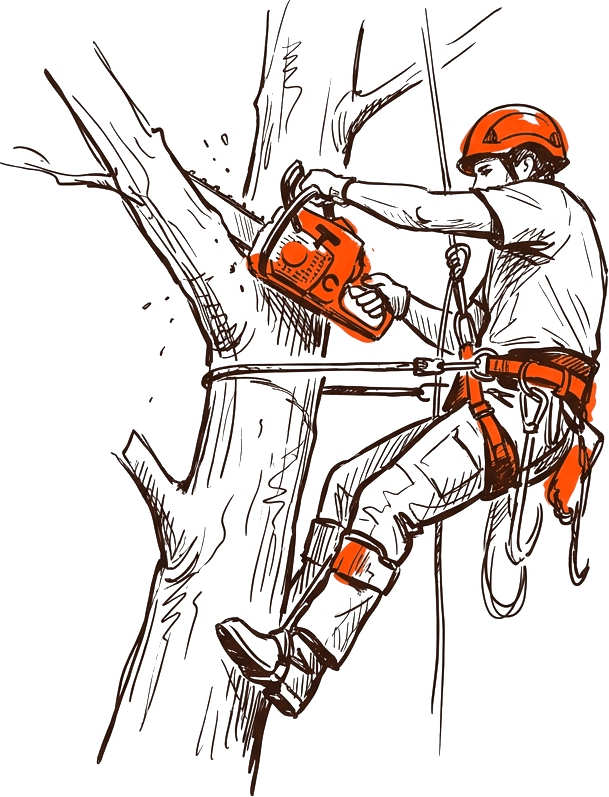
If you run a tree service, you already know the trucks and the climbing gear are the easy part. The hard part is keeping the schedule full week after week. Most tree pros do not have a lead problem so much as a follow-up problem: the calls come in, but too many quotes go quiet and too many happy customers never turn into referrals. This post walks through the lead sources and habits that actually book more work, with real numbers so you can see what a small change is worth.
Key takeaways
- The fastest, cheapest jobs come from referrals and reviews you already earned but never asked for.
- Speed wins: the crew that answers first and quotes first books most residential tree work.
- A quote is not a job until you follow up. Two or three touches doubles many close rates.
- Track where jobs actually come from so you stop guessing and spend on what works.
Start with the leads you already earned: referrals
Referrals are the best tree service leads you will ever get. They cost nothing, they close faster, and they rarely haggle because a neighbor already vouched for you. The problem is most crews never ask. You finish a big oak removal, the homeowner is thrilled, and then you drive off without a word about who else they know.
Build the ask into your closeout routine. When you collect payment and the yard is clean, say something simple: "If you know a neighbor with a tree that worries them, I'd appreciate you passing along my number." Then hand them two or three business cards, not one. Tree work is visible: a big removal or a fresh crown reduction gets noticed on the street, so ask while the stump is still fresh in everyone's mind.
Neighborhood cluster tip
When you're on a job, knock on the two or three closest houses and offer a free quick look at any trees they're worried about. You're already there, so the drive is paid for, and clustered jobs cut your travel time in half.
Turn finished jobs into a steady stream of reviews
When a homeowner searches for tree removal, they compare your reviews against the other trucks in town. A company with 60 recent reviews at 4.8 stars beats one with 9 reviews every time, even if the work is identical. Reviews are the single highest-leverage marketing you can do, and they are free.
The trick is timing and simplicity. Ask right after the customer sees the finished result, when the emotion is highest. Do not tell them to "go find us on Google." Text them a direct link. The easier you make it, the more reviews you get.
- Finish the job and walk the customer through the cleanup so they see the result.
- That evening, text a thank-you with a direct link to your review page.
- If you get no response in three days, send one polite reminder.
- When you get a great review, reply to it publicly so future customers see you're engaged.
Do the math on this. Say you complete 40 jobs a month and only 5 percent leave a review on their own. That is 2 reviews a month. If a simple text bumps that to 30 percent, you're now getting 12 reviews a month. Over a year that is the difference between 24 reviews and 144. That gap decides who gets the next phone call.
Respond fast, because the first quote usually wins
Tree work is often urgent. A limb is over the roof, a storm knocked something loose, or a buyer's inspection flagged a hazard tree. When homeowners are worried, they call several companies and hire the first one who shows up and sounds competent. Speed is a competitive advantage most crews throw away because they are up in a tree and cannot answer the phone.
A missed call is often a lost job. The homeowner does not leave a voicemail and wait, they dial the next number. Set a rule for your business: every call gets a callback within an hour, and every quote request gets a same-day response even if it is just "Got your message, I can come look Thursday morning." That acknowledgment alone keeps you in the running while slower competitors lose the lead.
The one-hour rule
If you cannot answer live, make sure missed calls trigger a fast text or callback. A homeowner who hears from you in 10 minutes assumes the whole job will feel that easy.
Give quotes that are easy to say yes to
A confusing or sloppy estimate costs you jobs even when your price is fair. If your quote is a number scrawled on the back of a card, you look like a risk. A clear written quote that spells out the scope, the cleanup, and the price makes the homeowner comfortable handing you thousands of dollars.
Be specific about what is and is not included. Are you hauling the debris or leaving the wood? Grinding the stump or just felling the tree? Homeowners fear surprise charges more than anything. When your quote removes that fear, you win even against a lower bid.
- List each tree or task as its own line so the customer sees exactly what they're paying for.
- Spell out cleanup and haul-away clearly, since that's the top source of disputes.
- Put your license and insurance details right on the quote to separate yourself from the lowballers.
- Give the quote a professional look with your logo so it reflects the quality of your work.
Follow up on every quote until you get a yes or a no
This is where most tree service revenue leaks out. You quote a job, the homeowner says "let me think about it," and you never call back. They were not saying no. They were busy, or comparing, or waiting on a spouse. A single follow-up recovers a huge chunk of those jobs.
Here is a worked example. Say you send 20 quotes a week averaging 1,200 dollars each, and with no follow-up you close 25 percent. That is 5 jobs, 6,000 dollars. Now add two follow-up touches over the next week. Close rate climbs to a realistic 40 percent. That is 8 jobs, 9,600 dollars. Same leads, same trucks, an extra 3,600 dollars a week from a couple of texts. Over a year that is well past 100,000 dollars in work you were already halfway to winning.
- Day 0: send the written quote same day.
- Day 2: text to confirm they got it and ask if they have questions.
- Day 5: call with a light nudge, like an opening in next week's schedule.
- Day 10: last touch, then mark it dead and move on.
Track where your jobs come from
You cannot double down on what works if you do not know what works. Ask every new caller how they found you and write it down. After a couple of months you will see the truth, and it usually surprises owners: referrals and reviews often beat paid ads by a wide margin. That tells you where to put your energy and your money.
Once you know your close rate and your best lead sources, growth stops being a mystery. You are not hoping for more calls, you are running a system: earn the review, answer fast, quote clearly, follow up, repeat.
Brivium keeps this whole loop in one place: send branded quotes in minutes, follow up and schedule without the sticky notes, and get paid by card on site so the last thing customers remember about you is how easy you made it.
Start free trialNone of this requires a marketing budget. It requires habits: ask for the referral, send the review link, return the call, follow up on the quote. Get those four right and your schedule stays full through the slow months while the crews who skip them keep chasing cold leads.
Frequently asked questions
What is the cheapest way to get more tree service jobs?
Referrals and reviews. Both are free and they close faster than paid leads. Ask every happy customer for a referral and text them a direct review link the same day you finish the job.
How fast should I respond to a tree service quote request?
Within an hour, and same day at the latest. Tree work is often urgent, and homeowners typically hire the first credible company that responds, so a slow reply usually means a lost job.
How many times should I follow up on a quote?
Two or three touches over about 10 days works well: a confirmation text, a check-in call, and a final nudge. Many owners see their close rate jump from around 25 percent to 40 percent just by following up.
How do I know which lead sources are actually working?
Ask every new caller how they found you and log it. After a couple of months the pattern is clear, and most tree companies find referrals and reviews outperform paid ads, so you can shift effort accordingly.