
Plumbing
How to Get More Plumbing Jobs
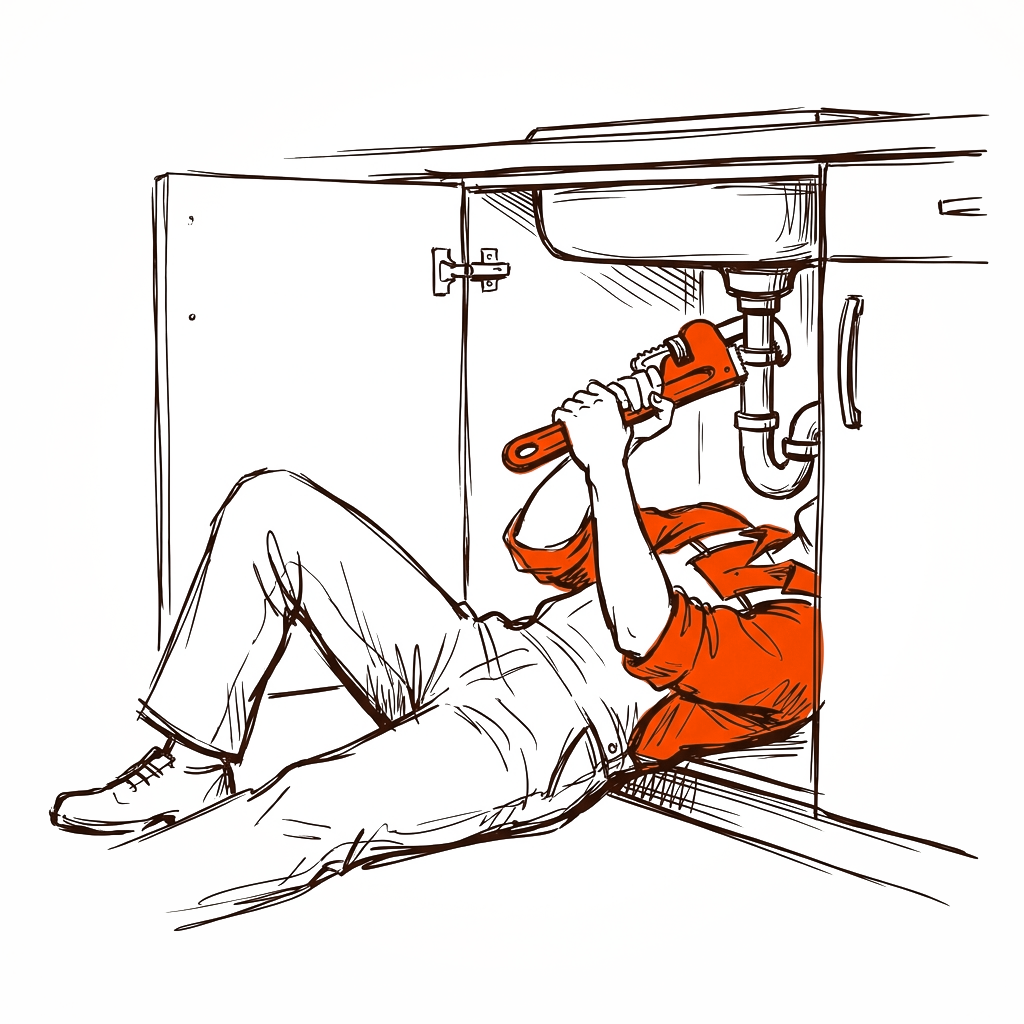
Most plumbers do not have a work problem, they have a follow-up problem. The phone rings, the truck rolls, the job gets done. But between the leads that never call back, the quotes that go quiet, and the reviews you never asked for, a lot of easy money leaks out the side. The good news: getting more plumbing jobs is less about spending on ads and more about tightening the habits you already half-do. Here is how to plug the leaks and book more work from the leads you are already getting.
Key takeaways
- Referrals and reviews are your cheapest lead sources. Ask for both on every completed job.
- Speed wins. The first plumber to answer or call back usually gets the job.
- A clear, fast quote closes more often than a lower price that shows up two days late.
- Track where leads come from so you spend money on what actually books work.
Turn every finished job into two more
Your best lead source is standing in front of you when you hand over the invoice. A homeowner who just watched you fix their water heater trusts you more than any ad ever will. The problem is that most crews pack up and leave without asking for anything. Fix that with a simple script and a habit.
Before you leave, say something like: "If you know anyone dealing with a plumbing issue, I would appreciate you passing my name along. And if you were happy with the work, a quick review helps my small business a ton." That is it. No pressure, no gimmick.
- Ask for the referral in person, then text a link so it is easy to share.
- Keep a stack of cards or a magnet on the truck for the fridge.
- Consider a small thank-you (a $25 credit or gift card) for any referral that turns into a booked job.
Do the math on a referral bonus
If a $25 thank-you brings in one drain-cleaning job worth $250, that is a 10x return. Even if only one in four referrals books, you are still way ahead.
Make reviews a system, not a hope
For plumbing, most homeowners search locally and pick from the top few results with strong reviews. Volume and recency both matter. A shop with 80 recent reviews beats one with 200 reviews that stop three years ago. You do not need to be clever here, you need to be consistent.
- Send the review request within an hour of finishing while the job is fresh.
- Text the direct Google review link, do not make them search for you.
- Personalize it: "Thanks for having us out today, John. Here is that review link I mentioned."
- Respond to every review, good or bad, in a calm and professional tone.
A realistic target: ask on every completed job. If you close 8 jobs a week and even 2 leave a review, that is roughly 100 new reviews a year. That kind of steady flow moves you up the local rankings and gives new customers a reason to pick you over the guy who quoted the same price.
Answer fast or lose the job
Plumbing is often urgent. A leaking pipe or a backed-up toilet does not wait. When a homeowner calls three plumbers, the one who answers or calls back first usually wins, even if they are not the cheapest. Speed reads as reliability, and reliability is what people are buying when water is on the floor.
You cannot always answer while you are under a sink, but you can control what happens after. Set a rule: every missed call gets a return call or text within 15 minutes during business hours. A simple auto-text like "Hey, this is Mike at Mike's Plumbing, I am on a job right now but will call you back within the hour" keeps the lead warm instead of letting them dial the next number.
- Route calls so nothing goes to a dead voicemail.
- Use text follow-up for leads who do not pick up, most people prefer it now.
- Log every inbound lead so none slip through on a busy day.
Turn quotes into booked work
This is where most jobs are actually won or lost. Two plumbers give the same $1,800 quote for a repipe. One hands over a clean, itemized estimate on the spot with a clear next step. The other says "I'll email you something later" and sends a vague number two days later. The first plumber books it far more often, and it has nothing to do with price.
Speed and clarity beat lowball pricing. Get the quote to the customer while you are still standing in their driveway if you can. Break down the line items so they see what they are paying for, and always end with an obvious way to say yes: a schedule option or a link to accept and book.
Worked example: the follow-up bump
Say you send 20 quotes a month and close 8 of them, a 40% close rate. Add one habit: follow up on every unanswered quote within 48 hours. That nudge alone commonly moves close rates up by several points. Bump to 50% and you close 10 jobs instead of 8. At a $600 average ticket, that is $1,200 more a month, or roughly $14,000 a year, from a two-minute follow-up text.
The follow-up itself can be dead simple: "Hi Sarah, just checking in on the quote for your water heater. Happy to answer any questions or get you on the schedule this week." Most people do not say no, they just get busy. Your reminder is the reason they book.
Know where your jobs actually come from
You cannot grow what you do not track. Most plumbing owners have a gut feeling about their lead sources but no real numbers. Spend five minutes to ask every new customer: "How did you hear about us?" Log the answer. After a month or two you will see clearly whether your money should go into Google reviews, a referral push, local ads, or your website.
- Tag each lead by source: referral, Google, repeat customer, ad, other.
- Track cost per booked job for any paid channel so you know your real return.
- Double down on the cheap sources (referrals, reviews) before paying for more clicks.
The pattern for most small plumbing shops is the same: referrals and repeat customers are the cheapest and highest-closing leads, paid ads are the most expensive. If your calendar is thin, fix your referral and review habits before you open your wallet.
Put it all on autopilot
Any one of these habits helps. The real gains come from doing all of them, every job, without relying on memory on a busy Friday. That means having a system that reminds you to send the quote, chase the unanswered one, request the review, and confirm the schedule. When the follow-up runs itself, more of your leads turn into paid work.
Brivium keeps this simple in one place: send branded quotes on-site, follow up automatically, schedule the job, and get paid by card so nothing slips through the cracks.
Start free trialThe bottom line
Getting more plumbing jobs is rarely about finding a secret new lead source. It is about respecting the leads you already have: answer fast, quote clearly, follow up when they go quiet, and ask every happy customer for a referral and a review. Tighten those four habits and your calendar fills up without spending a dollar more on advertising.
Frequently asked questions
What is the fastest way to get more plumbing jobs?
Respond faster. Return every missed call or send a text within 15 minutes during business hours. The first plumber to reply usually books the job, even at a higher price than slower competitors.
How do I get more plumbing referrals?
Ask on every completed job. Give a simple script, hand over a card or text a link, and consider a small thank-you like a $25 credit for any referral that turns into booked work.
How many reviews does a plumbing business need?
There is no magic number, but recent volume matters most. Aim to request a review on every job. Even a couple per week adds up to around 100 fresh reviews a year, which helps local rankings.
Why do my plumbing quotes go unanswered?
Usually speed and clarity, not price. Deliver an itemized quote on-site with a clear way to accept, then follow up within 48 hours. That one nudge often lifts close rates by several points.