
Concrete
How to Get More Concrete Jobs
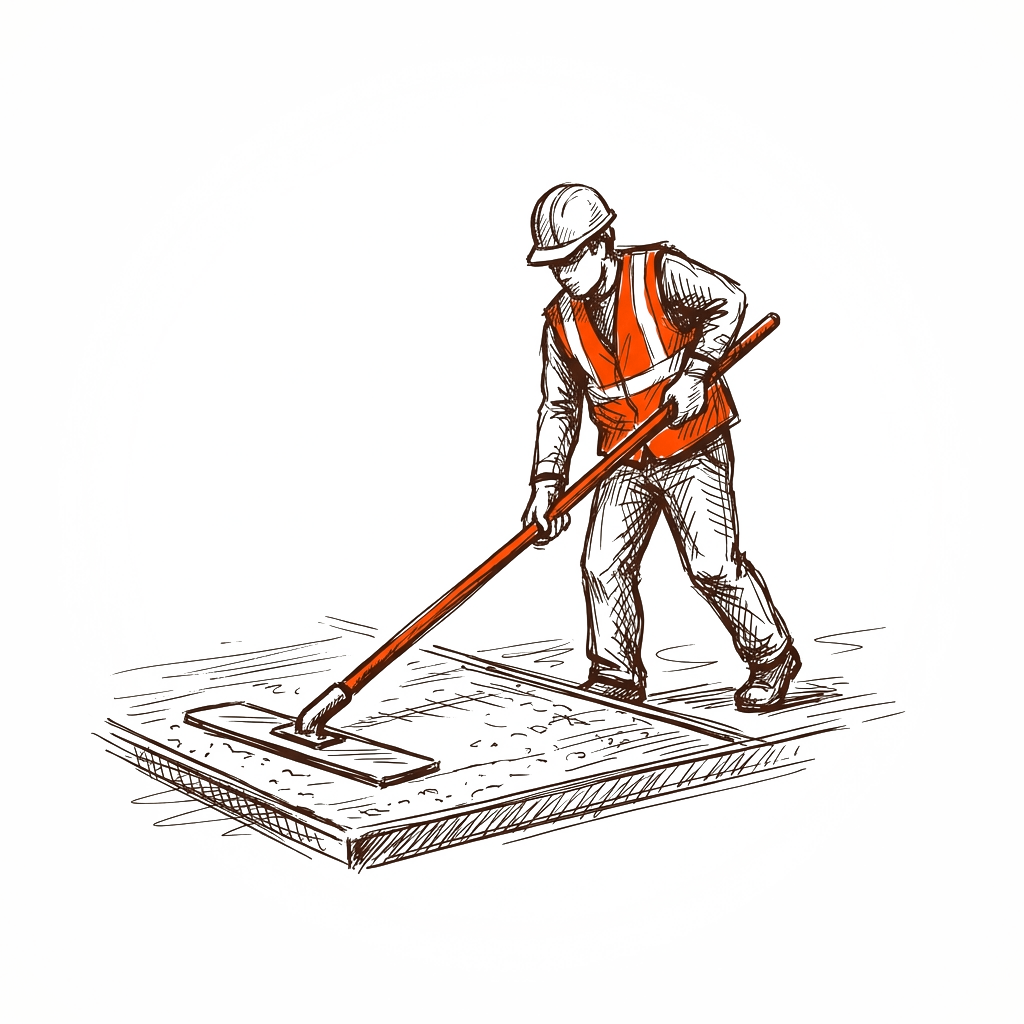
If you pour driveways, patios, slabs, or foundations, you already know the work is only half the battle. The other half is a steady stream of jobs that actually book and pay. Most concrete crews do not lose work because they are bad at concrete. They lose it because leads slip through the cracks: a missed call, a quote that never got a follow-up, a happy customer who never left a review. This post walks through where more concrete jobs really come from and the habits that turn interest into booked work.
Key takeaways
- Referrals and reviews are your cheapest, highest-closing lead sources. Build a system so they happen automatically, not by luck.
- Speed wins. Responding within minutes to a new lead can beat a lower bid that showed up a day late.
- A clean, professional quote closes more than a scribbled number on the back of a business card.
- Follow-up is where the money is. Most quotes need two or three touches before they book.
Know Which Lead Sources Actually Close
Not all leads are equal. A referral from a past customer closes at a much higher rate than a cold click from a pay-per-lead site, and it costs you nothing. Before you spend a dollar on advertising, get honest about where your best jobs came from over the last year. Pull your last 20 booked jobs and write down how each one found you.
Most concrete businesses find that their booked work breaks down something like this: a big chunk from referrals and repeat customers, a solid share from reviews and local search, and a smaller, often lower-margin piece from paid lead platforms. If that matches your numbers, the lesson is clear: double down on the free stuff before you chase the expensive stuff.
- Referrals and repeat customers: highest close rate, best margins, zero cost.
- Google reviews and local search: strong intent, homeowners ready to buy.
- Contractor and builder relationships: bigger, repeatable slab and foundation work.
- Paid lead sites: fill gaps in a slow week, but expect lower close rates and more price shoppers.
Turn Every Finished Job Into the Next Two
Referrals do not just happen. The best time to ask is when the concrete is fresh and the customer is standing there impressed. Most crews walk away without a word. Build a simple close-out habit instead.
- When the job is done, walk the customer through it and point out the details you nailed.
- Hand them two or three business cards and say, 'If a neighbor needs concrete, I would appreciate you passing these along.'
- Follow up with a text a day or two later thanking them and asking for a review.
- Note in your records who is likely to refer, and check back in a few months.
The neighbor effect
Concrete is visible. A fresh driveway gets noticed by everyone who drives by. Ask your customer to mention you if a neighbor asks, and leave a yard sign if they will allow it. One good pour on a busy street can generate calls for weeks.
Make Reviews a Routine, Not an Afterthought
When a homeowner searches for a concrete contractor, they scan the star ratings and read the last few reviews before they ever call. If you have five reviews and the crew across town has forty, you lose before the phone rings. The fix is not complicated: ask every single satisfied customer, every time.
Send a short, direct text the day after the job: 'Thanks again for the driveway. If you were happy with the work, a quick Google review really helps our small business.' Include the direct link so they do not have to hunt for it. A simple ask like this typically gets a response from a good share of happy customers, and those reviews compound over time.
Respond to every review, good or bad. A calm, professional reply to a complaint shows future customers how you handle problems. That matters more than being perfect.
Respond Fast or Lose the Job
Speed is the single most underrated way to get more concrete jobs. When a homeowner reaches out, they are usually contacting two or three contractors at once. The first one to respond with a real answer often gets the job, even at a slightly higher price. If you call back the same hour, you look reliable. If you call back tomorrow, you look like every other flaky contractor they have dealt with.
You cannot answer the phone from inside a form deck, and that is fine. What matters is a system: a way to see missed calls, a way to text back quickly, and someone responsible for following up. Even a fast text that says, 'Got your message, I can call at 4 to talk about your patio,' keeps the lead warm.
Send Quotes That Close and Follow Up Until You Get an Answer
A professional quote does two jobs. It tells the customer exactly what they are getting, and it makes you look like a business worth trusting. A clear, itemized quote with your logo, the scope, the square footage, the finish, and the price beats a number mumbled over the phone every time. Vague pricing invites haggling. Specific pricing builds confidence.
Then comes the part almost everyone skips: following up. Most quotes do not close on the first send. Life gets busy, the homeowner is comparing options, or they are waiting on a spouse. A polite follow-up two or three days later closes a surprising number of jobs that would otherwise go cold.
A quick worked example
Say you send out 20 quotes in a month at an average job size of 5,000 dollars. With no follow-up, imagine you close 6 of them. That is 30,000 dollars. Now add one simple follow-up text to every open quote. If that nudge closes just 3 more, you are at 9 booked jobs, or 45,000 dollars, from the exact same 20 quotes. That is 15,000 dollars in extra revenue from a habit that costs you a few minutes a day. Even if follow-up only recovers one job, it pays for itself many times over.
Track your quote-to-book rate
If you do not know how many of your quotes turn into jobs, you cannot improve it. Start counting. Once you see the number, small changes to follow-up and pricing become obvious wins.
Build Relationships With Builders and GCs
Homeowner work keeps the lights on, but relationships with general contractors, builders, and remodelers give you repeatable volume: footings, slabs, sidewalks, and foundations that come back month after month. A GC who trusts your crew to show up and pour clean is worth more than any ad. Show up on time, communicate clearly, and make their life easy. One reliable relationship can fill a good part of your schedule year round.
Brivium keeps all of this in one place: send branded concrete quotes in minutes, follow up before jobs go cold, schedule your crews, and get paid on the spot with card payments so you spend less time chasing work and more time pouring it.
Start free trialPut It All Together
Getting more concrete jobs is less about one big marketing move and more about a handful of consistent habits. Mine your best lead sources, ask for referrals and reviews on every job, respond faster than your competition, send clean quotes, and follow up until you get a yes or a no. Do those five things every week and your schedule will fill up with better work at better margins.
None of this requires a big budget. It requires a system and the discipline to run it. Start with the one gap that is costing you the most, whether that is slow callbacks or quotes that never get a second touch, and fix it this week.
Frequently asked questions
What is the fastest way to get more concrete jobs?
Respond to new leads within minutes and follow up on every open quote. Speed and follow-up win more jobs than lower pricing, because most homeowners hire the contractor who answers first and stays in touch.
How do I get more concrete referrals?
Ask at the end of every job when the customer is happiest. Hand them business cards, send a thank-you text the next day, request a review, and leave a yard sign on visible jobs so neighbors notice your work.
How many reviews does a concrete business need?
There is no magic number, but you want to compare favorably to nearby competitors. Ask every satisfied customer for a Google review, respond to all of them, and let the total grow steadily over time.
Are paid lead sites worth it for concrete contractors?
They can fill a slow week, but they usually bring lower close rates and more price shoppers. Prioritize referrals, reviews, and builder relationships first, and treat paid leads as a supplement, not your main source.