
Plumbing
How Plumbing Contractors Get Paid Faster
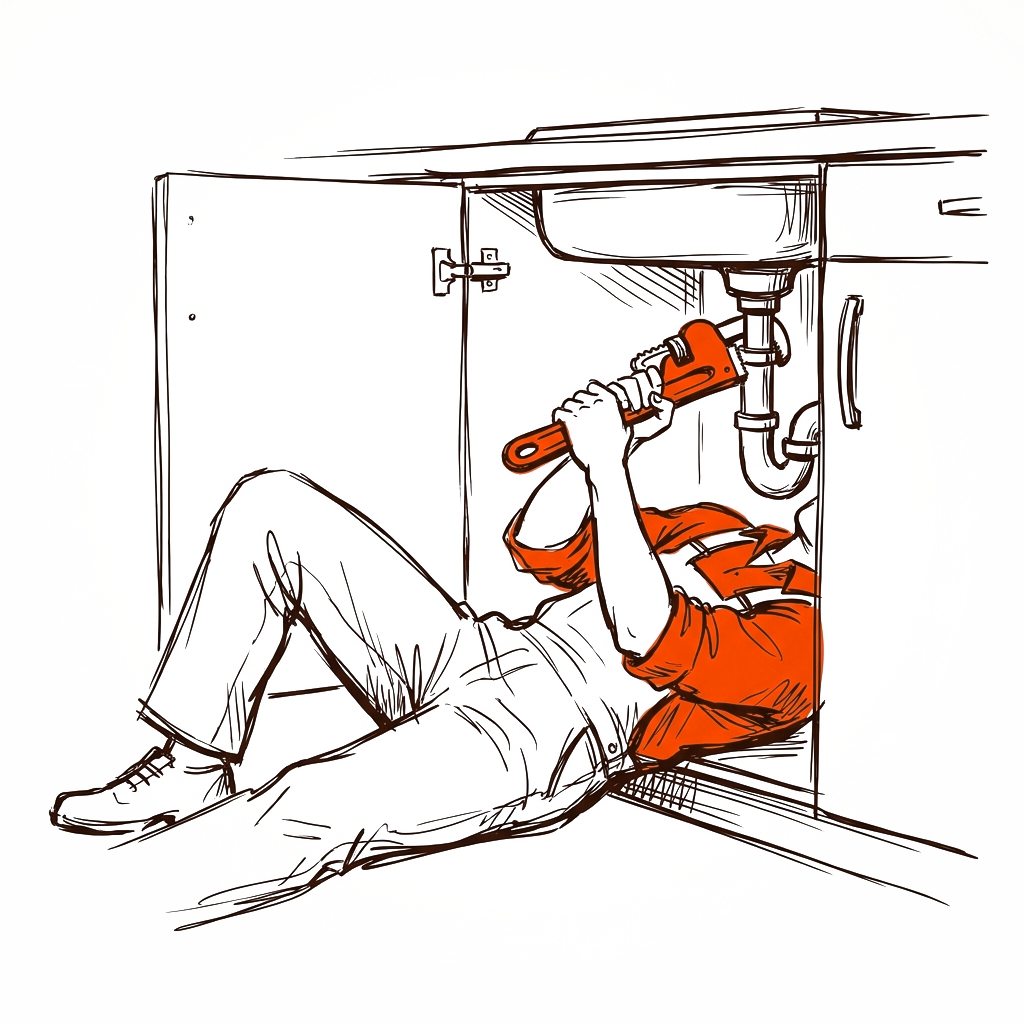
If you run a plumbing business, you already know the job isn't done when the water stops leaking. It's done when the money hits your account. Too many good plumbers do excellent work, then wait 30, 45, or 60 days to see a check, all while paying for materials, fuel, and payroll up front. That cash gap is what kills small shops, not slow phones.
The good news: getting paid faster is mostly about process, not luck. A few simple habits around deposits, billing, and follow-up can shrink your average collection time from weeks to days. Here's how to plumbing get paid faster without turning into a full-time collections office.
Key takeaways
- Collect a deposit before you buy materials or roll a truck on bigger jobs.
- Invoice on-site the moment work is signed off, not from the office days later.
- Accept cards and let customers tap or pay by text to remove friction.
- Set a simple follow-up schedule for overdue invoices so nothing slips.
Take a deposit before the truck rolls
For anything bigger than a basic service call, a deposit protects your cash and filters out flaky customers. Serious homeowners and property managers expect it. A deposit covers your material costs so you're not floating a water heater or a repipe out of your own pocket.
Typical deposit ranges most plumbers use:
- Service calls: often a flat trip or diagnostic fee paid up front.
- Repairs with parts: 25 to 50 percent down to cover materials.
- Remodels and repipes: 30 to 50 percent, sometimes staged (see milestone billing below).
Keep it simple
Put your deposit policy in writing on every quote so it's never a surprise. A one-line note like 'A 40% deposit is due to schedule this job' does the work for you.
Use milestone billing on larger jobs
On a two-day repipe or a bathroom rough-in and finish, waiting until the very end to invoice puts all the risk on you. Milestone billing breaks the job into chunks so money flows in as the work progresses. You never carry the whole balance.
Here's a worked example on a $9,000 whole-house repipe:
- Deposit to schedule: 30 percent, or $2,700, collected before the job starts.
- Rough-in complete and inspected: 40 percent, or $3,600, invoiced that day.
- Final walkthrough and cleanup: remaining 30 percent, or $2,700, due on completion.
In that structure you've collected 70 percent of the job, $6,300, before the final day. If the customer drags their feet on the last payment, you're chasing $2,700 instead of the full $9,000. That's a very different level of stress, and it keeps your crew paid on time.
Invoice on-site, before you leave the driveway
The single biggest delay in getting paid is the gap between finishing the work and sending the invoice. If the invoice waits until someone gets back to the office, then waits again for the office to enter it, you've already lost days. Every day of delay pushes the customer's payment further out.
The fix is to invoice from the field the moment the customer signs off. When the work is fresh and the customer is standing right there satisfied, that's your best shot at same-day payment. Send the invoice from your phone or tablet before you pack up the truck.
- Line items match the signed quote, so there's nothing to dispute.
- The customer sees the total while the job is fresh in their mind.
- You can request payment on the spot instead of hoping for a mailed check.
Same visit, same invoice
A good rule for the crew: no truck leaves a completed job until the invoice is sent. Make it part of your closeout checklist.
Accept cards and make paying effortless
Every extra step between the customer and paying you costs you time. Checks get forgotten in a drawer. 'I'll mail it' turns into three weeks. When you accept card payments, you remove that friction and often get paid before you even leave the property.
Ways to make paying dead simple:
- Tap or swipe a card on-site right after the walkthrough.
- Text or email a pay link so the customer can pay from their phone in seconds.
- Store a card on file (with permission) for milestone jobs so each stage clears automatically.
- Offer a couple of payment methods so nobody has an excuse to delay.
Yes, card processing has a fee, usually a small percentage per transaction. But compare that to the real cost of waiting 45 days for a check, or the risk of never collecting at all. Getting 100 percent of the money now almost always beats waiting for it. Some plumbers build the processing cost into their pricing so it's a non-issue.
Follow up on overdue invoices without the awkwardness
Even with deposits and on-site invoicing, some invoices will go past due. Property managers, commercial accounts, and busy homeowners simply forget. The plumbers who get paid fastest aren't more aggressive, they're just more consistent. They have a schedule and they stick to it.
A simple follow-up cadence that works:
- Day the invoice is due: a friendly automated reminder with the pay link.
- 3 days past due: a short text or call, 'Just checking this invoice landed okay.'
- 7 days past due: a firmer email restating the amount and due date, with a copy of the invoice.
- 14 days past due: a direct phone call to resolve it and set a payment date.
Keep the tone professional, never emotional. Most late payments are honest oversights, and a steady nudge clears them up fast. Clear payment terms on the original invoice, like 'Net 15' or 'Due on receipt,' make these conversations easier because the customer already agreed to them.
Tie it all together with one system
Each of these habits helps on its own, but they compound when they live in one place. When your quote, deposit, schedule, invoice, and payment link all flow from the same job, nothing falls through the cracks. Your crew spends less time on paperwork and more time turning wrenches, and your bank account stops riding a roller coaster.
Brivium keeps your branded quotes, scheduling, and invoices in one app so you can collect deposits, take card payments on-site, and get paid faster without chasing paperwork.
Start free trialStart small. Pick one change this week: add a deposit line to your quotes, or commit to invoicing before the truck leaves the job. Stack the habits over a month, and you'll feel the difference in your cash flow long before you feel it in your paperwork.
Frequently asked questions
How much of a deposit should a plumber ask for?
It depends on the job. Service calls often use a flat trip or diagnostic fee, while repairs and larger jobs typically run 25 to 50 percent down to cover materials. Put the policy in writing on every quote.
Is it worth accepting card payments given the processing fees?
For most plumbers, yes. The small percentage fee is usually cheaper than waiting weeks for a check or risking non-payment. Getting the full amount now beats floating the cost of a job for a month or more.
When should I send the invoice on a plumbing job?
Send it on-site the moment the customer signs off, before you leave. The work is fresh and the customer is present, which gives you the best chance at same-day payment.
What's the best way to handle overdue plumbing invoices?
Use a consistent, professional follow-up schedule: a reminder on the due date, a check-in a few days later, a firmer notice at one week, and a direct call at two weeks. Consistency, not aggression, gets you paid.