
Landscaping
How Landscaping Contractors Get Paid Faster
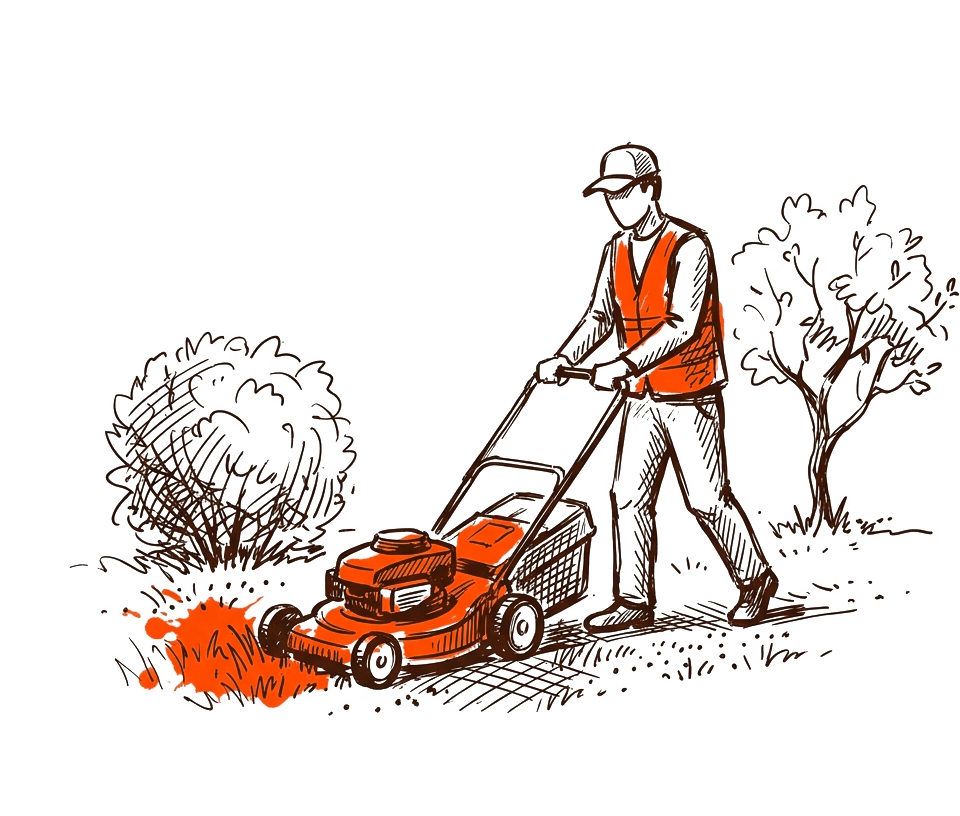
You did the work. The lawn looks clean, the retaining wall is level, the mulch is fresh. So why is the money still sitting in someone's checkbook two weeks later? For most landscaping businesses, slow pay is not a customer problem. It is a process problem. The good news: the fixes are simple, and you can start using them on your next job.
Key takeaways
- Collect a deposit before you show up so you never fund a job out of your own pocket.
- Bill in milestones on bigger installs instead of waiting for one lump sum at the end.
- Invoice on-site the day work wraps and let customers tap or swipe a card on the spot.
- Have a written follow-up cadence for overdue invoices so nothing slips for 45 days.
Get a Deposit Before the First Shovel
The single fastest way to speed up payment is to collect money before the work starts. A deposit protects your cash flow, filters out tire-kickers, and locks the customer into the schedule. For most landscaping jobs, a deposit of 25 to 50 percent is normal and easy to explain: it covers materials and reserves your crew's time.
Say your quote is for a $6,000 paver patio. Materials alone might run $2,200. If you start with no deposit and the customer pays slow, you are floating that $2,200 out of your own account for weeks. A 40 percent deposit of $2,400 covers materials on day one and keeps your money in your pocket, not the supplier's.
Set the deposit at quote time
Put the deposit amount and due date right on the estimate. When a customer approves the quote, they are approving the deposit terms too. No awkward conversation later.
Use Milestone Billing on Bigger Jobs
For a one-day cleanup, a deposit plus a final invoice is plenty. But for multi-week installs, waiting until the very end to bill is a mistake. Milestone billing breaks a large job into payment checkpoints so cash comes in as the work progresses.
Here is a clean structure for that same job scaled up to a $15,000 backyard install:
- Deposit at signing: 30 percent, or $4,500, before materials are ordered.
- Progress payment at demo and grading complete: 30 percent, or $4,500.
- Progress payment at hardscape or planting complete: 25 percent, or $3,750.
- Final payment at walkthrough and cleanup: 15 percent, or $2,250.
With this setup you have collected 85 percent of the money before the final walkthrough. That last $2,250 is the only amount at risk, instead of the full $15,000. Your crew stays paid, your suppliers stay paid, and one slow customer cannot sink your month.
Invoice On-Site the Day You Finish
Every day between finishing the work and sending the invoice is a day you are not getting paid. If you finish Friday and mail an invoice the following Wednesday, you just added five days to the clock for no reason. Then it sits in a pile on their kitchen counter.
Invoice while you are still standing in the yard. When the customer can see the fresh work and you hand them a clear, itemized bill on the spot, payment feels immediate and fair. A phone-based invoicing tool lets you build the invoice, add photos, and send it by text or email before you load the truck.
- Itemize labor and materials so the number is easy to understand.
- Attach before-and-after photos to reinforce the value.
- State the due date in plain language: due on receipt, or net 7.
- Include a payment link or a way to pay right there.
Let Customers Pay by Card on the Spot
Checks are slow and they get lost. 'I'll mail it' is where invoices go to die. When you accept card payments, you remove the last bit of friction between the finished job and the money landing in your account.
Yes, card processing costs a fee, typically in the low single digits per transaction. Run the math honestly. If a 3 percent fee on a $6,000 job costs you $180 but you get paid the same day instead of chasing a check for three weeks, that is often a trade worth making. Cash flow beats a small margin on paper, especially when payroll is due Friday.
Offer more than one way to pay
Some customers still prefer bank transfer or check. Offer card as the default and let them choose. Just make card the easiest option, because easy gets you paid faster.
Build a Follow-Up Cadence for Overdue Invoices
Even with deposits and card payments, a few invoices will slip past due. What separates businesses that get paid from businesses that write off bad debt is a consistent follow-up routine. Do not wait until an invoice is 60 days old and awkward. Have a schedule and stick to it.
- Day of due date: a friendly reminder text or email with the payment link.
- 3 days past due: a short follow-up noting the balance and asking if they had any questions.
- 10 days past due: a direct phone call. Voice moves money faster than email.
- 21 days past due: a firm written notice referencing your terms and any late fee.
Most late payments are not disputes. They are forgetfulness. A polite nudge on the due date clears the majority of them. For the rest, a phone call from your business line, not a personal cell, keeps things professional and gets a real answer.
Put It All Together
None of these moves are complicated on their own. Stacked together, they change how your business runs. Collect a deposit, bill milestones on the big ones, invoice on-site, take a card, and follow up on schedule. Do that on every job and the average time from finished work to money in the bank drops from weeks to days.
Brivium keeps this in one place: send branded quotes with deposits built in, schedule the crew, invoice on-site, and take card payments so you get paid faster without the paperwork chase.
Start free trialPick one change to start. If you collect nothing up front today, add a deposit to your next quote. That single habit will do more for your cash flow than anything else on this list.
Frequently asked questions
How much deposit should a landscaping contractor ask for?
A deposit of 25 to 50 percent is typical. It should at least cover your materials so you are never funding a job out of your own pocket while you wait to get paid.
Is it worth accepting card payments if there is a processing fee?
Often yes. A low single-digit fee is usually cheaper than floating a job for weeks while chasing a check. Getting paid the same day protects payroll and cash flow.
When should I send the invoice for a completed job?
Invoice on-site the day you finish, while the customer can see the fresh work. Every day you delay adds time before you get paid and increases the chance the bill gets forgotten.
What is milestone billing for landscaping?
Milestone billing splits a large job into payment checkpoints, like a deposit, progress payments at key stages, and a final payment. It brings cash in as work progresses instead of all at the end.