
Junk Removal
How Junk Removal Contractors Get Paid Faster
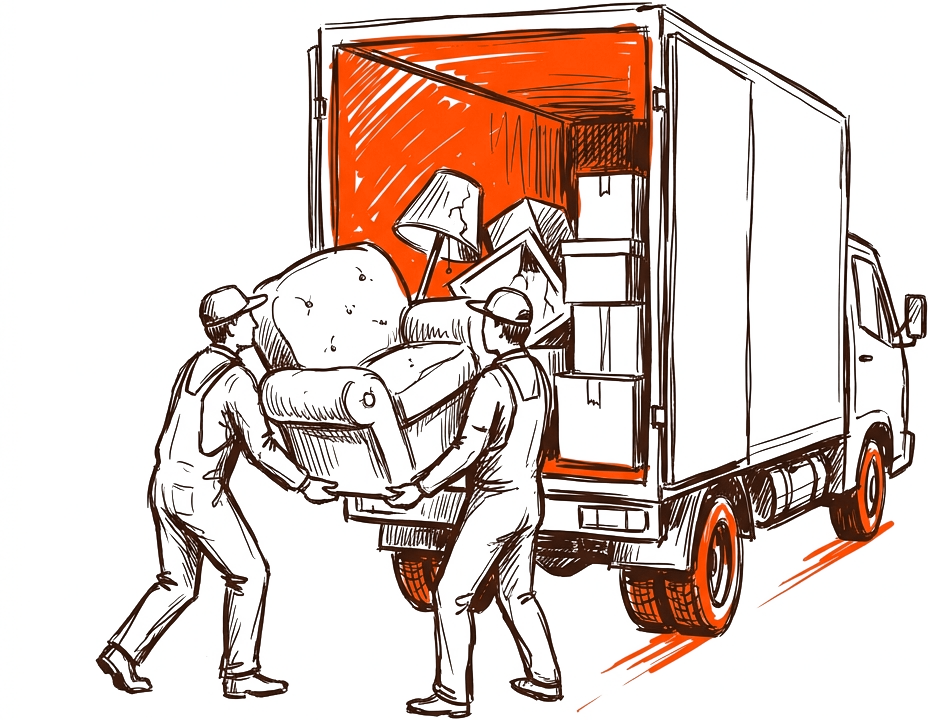
If you run a junk removal crew, you already know the work is only half the battle. You can haul three truckloads in the July heat and still be broke on Friday because the money is stuck in someone's inbox. Getting paid faster is not about being pushy. It is about building simple habits into how you quote, schedule, and close out jobs. Here are the practical moves that actually move cash into your account sooner.
Key takeaways
- Collect a deposit before you dispatch the truck to filter out no-shows and fund your day.
- Invoice on-site the moment the truck is loaded, not that night from your couch.
- Take card and tap payments so the customer never has to 'find a check.'
- Have a written follow-up sequence for overdue invoices so nothing slips.
Take a deposit before the truck rolls
The single biggest change most junk removal owners can make is requiring a deposit at booking. A deposit does two things: it commits the customer, and it puts cash in your hands before you spend fuel and labor. For estimated jobs, a 10 to 20 percent deposit is typical and rarely scares off a serious customer. For larger cleanouts, foreclosures, or hoarding jobs, a larger deposit protects you from the buyer who ghosts after you show up.
Think about the math. Say you book a full-day estimate cleanout at 1,400 dollars. A 20 percent deposit is 280 dollars collected at booking. If that customer cancels last minute, you are not eating a wasted crew day for free. And if they follow through, you only need to collect the remaining 1,120 dollars on-site instead of chasing the full amount later.
Deposit rule of thumb
Deposits pay for the risk you take by dispatching. Make them non-refundable inside 24 hours of the job so a late cancel does not cost you a crew day.
Use milestone billing on big cleanouts
Small single-item pickups can be paid in one shot. But multi-day cleanouts, estate jobs, and commercial contracts are where cash flow gets dangerous. If a three-day cleanout runs 6,000 dollars and you wait until day three to invoice, you have floated all your labor and dump fees for the entire week.
Milestone billing fixes that. Split the job into chunks and bill as you complete each one:
- Deposit at booking: 20 percent (1,200 dollars) to hold the date.
- End of day one: bill for the portion completed, for example 1,600 dollars.
- End of day two: bill the next portion, for example 1,600 dollars.
- Final walkthrough on day three: collect the balance of 1,600 dollars.
Now your dump fees and payroll are covered as the work happens, not two weeks after the last truck leaves. Commercial and property management clients are used to this, so do not be shy about proposing it.
Invoice on-site the moment you finish
The gap between finishing a job and sending the invoice is where money dies. If you wait until the evening to do paperwork, you are tired, jobs blur together, and some invoices never go out at all. The fastest crews invoice from the driveway before they pull away.
When you invoice on-site, the customer is standing right there, the job is fresh, and they can see the truck was full. That is the easiest moment to get paid. An invoice sent three days later competes with their mortgage, their kid's dentist bill, and everything else in their life.
- Build the invoice from your original quote so line items and pricing match what the customer already agreed to.
- Add any extra items you hauled beyond the estimate and explain them face to face.
- Send it to their phone or email before you leave, and ask for payment on the spot.
Match the quote to the invoice
Disputes almost always come from surprise line items. If your invoice mirrors the quote the customer approved, you close faster and argue less.
Accept cards, tap, and digital payments
Cash and checks feel simple, but they slow you down. Cash means a bank run and a paper trail you have to reconstruct. Checks bounce, get lost, or sit on a kitchen counter for two weeks. The reality in 2024 is that most customers want to pay with a card or their phone.
When you accept card and tap payments, the transaction closes while you are still standing there. Yes, processing fees exist, usually in the low single-digit percentage range. But compare that fee to the real cost of a check that never clears or an invoice you have to chase for a month. A 3 percent fee on a 1,120 dollar balance is about 34 dollars. Waiting 30 days to get paid, or not at all, costs a lot more than 34 dollars.
Offering more ways to pay also removes the classic stall: 'I need to run to the ATM' or 'I'll mail you a check.' Take that excuse off the table.
Have a follow-up system for overdue invoices
Even with deposits and on-site invoicing, some invoices will slip. The difference between crews that get paid and crews that write off bad debt is a consistent follow-up sequence. Do not wing it. Decide the schedule once and run it every time.
- Day 1: Invoice sent with a clear due date and a payment link.
- Day 3: Friendly reminder text or email if unpaid.
- Day 7: Second reminder, restate the amount and the link, offer to take a card over the phone.
- Day 14: Direct phone call. Most overdue invoices are simple forgetfulness, and a call clears them fast.
- Day 21: Firmer notice stating late fees or next steps if you use them.
Keep the tone professional, not angry. Most late payers are not scammers, they just forgot. A quick, polite nudge with a one-tap payment link solves the vast majority of overdue invoices without any drama.
Put it all together into one workflow
None of these tactics work if they live in your head or across five different apps. The crews that get paid fastest run one repeatable flow: branded quote goes out, deposit gets collected, the job is scheduled, the invoice is sent on-site, and overdue accounts get followed up automatically. When all of that lives in one place, nothing falls through the cracks and your cash keeps moving.
Brivium keeps your branded quotes, deposits, on-site invoicing, card payments, and scheduling in one app, so junk removal crews spend less time chasing money and more time hauling.
Start free trialPick one habit from this list and lock it in this week. Deposits are usually the fastest win. Once that is automatic, add on-site invoicing, then card payments, then your follow-up sequence. Stack them and you will feel the difference in your bank account within a month.
Frequently asked questions
Should junk removal companies require a deposit?
Yes for anything beyond a small single-item pickup. A 10 to 20 percent deposit at booking commits the customer and covers your risk if they cancel last minute.
Is it worth paying card processing fees to get paid faster?
Usually yes. A low single-digit percentage fee is small compared to the cost of chasing a check for weeks or eating a bad-debt write-off. Getting paid on-site protects your cash flow.
When is the best time to send a junk removal invoice?
Send it on-site the moment the truck is loaded, while the customer is present and the job is fresh. Same-day invoices get paid far faster than ones sent days later.
How do I handle overdue junk removal invoices?
Use a set follow-up sequence: a reminder at day 3, another at day 7, a phone call at day 14, and a firmer notice at day 21. Include a payment link every time and keep the tone professional.