
Fencing
How Fencing Pros Get More 5-Star Reviews
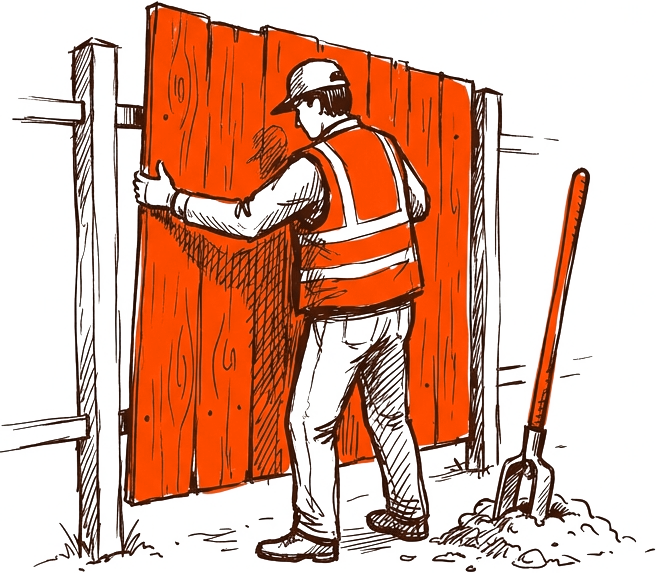
A fence is one of the most visible jobs a homeowner ever buys. Neighbors see it, the street sees it, and the customer looks at it every single day. That is a gift for your reputation, but only if people actually write about it. Most fencing crews do great work and then forget the last step: asking for the review while the customer is still thrilled. This post walks through how to earn fencing customer reviews without sounding desperate, and how a steady drip of them turns into inbound calls you never had to chase.
Key takeaways
- Timing beats scripting: ask within a day of the final walkthrough, when the fence looks brand new.
- Make it one tap. Every extra step between the customer and the review form costs you reviews.
- Ask everyone, consistently. A slow, steady stream ranks better than a one-time burst.
- Reviews compound: more reviews lift your map ranking, which brings more calls, which brings more reviews.
Why reviews matter more for fencing than most trades
When someone needs a fence, they rarely have a go-to contractor the way they might have a plumber. So they search, they look at the map pack, and they read reviews. Your star rating and review count are doing the selling before you ever pick up the phone. Two companies can quote the same price, but the one with 140 reviews at 4.9 stars gets the call, and the one with 11 reviews at 4.6 gets skipped.
Here is the honest part: review count and recency matter as much as the average. A business with 200 reviews where the last one was eight months ago looks stale. A business adding two or three fresh reviews every week looks alive and busy. That freshness signal is something you control, for free, on every job.
When to ask: catch the happy moment
The best time to ask for a fencing review is at the final walkthrough, when the customer is standing at their new fence and you are cleaning up the last scraps. That is the peak of their satisfaction. The gate swings clean, the line is straight, and the yard looks finished. Wait three weeks and that feeling fades into normal life.
The two-touch rhythm
Ask in person at the walkthrough, then send a one-tap link the same evening or next morning. The in-person ask sets the expectation, the text makes it easy to follow through.
If the job had any hiccup, a rain delay, a backordered panel, a line dispute with a neighbor, resolve it fully before you ask. A review request lands differently when the customer feels taken care of versus when there is a loose end nagging at them.
What to say so it never sounds like begging
Begging sounds like: 'We really need reviews, could you please help us out?' That puts the burden on the customer and makes it about you. Instead, frame it around them and keep it casual, the way you would talk on the jobsite.
A simple in-person line that works:
- "Glad you love the fence. Most folks find us through Google reviews. If you have 30 seconds, a quick note on how the job went really helps the next homeowner decide."
- "I'll text you a link so you don't have to go hunting for it. No pressure if you're busy."
Then the follow-up text, sent the same day:
- "Hi Dana, thanks again for trusting us with the backyard fence. Here's that quick review link: [link]. One tap and a sentence is plenty. Appreciate you."
Notice what is missing: no five-star demand, no guilt, no three paragraphs. You are explaining why it helps and handing them a frictionless path. Keep it human and short.
Make it one tap, or you'll lose half of them
Every extra step between the customer and the submit button costs you reviews. If the link dumps them on your homepage, or forces a login, or makes them search your business name, a chunk of goodwill evaporates. Your job is to remove every bit of that friction.
- Use a direct review link that opens the write-a-review box, not your profile.
- Send it by text, not email. Texts get opened in minutes, not hours.
- Keep the message to two sentences so it reads on one screen.
- Send it when they can act on it, evening or weekend, not mid-workday.
- Have one short, honest answer ready if they ask what to write: 'Just how the job went and whether you'd recommend us.'
Phone number, same as the job
If your review texts come from a dedicated business line the customer already recognizes, they open faster. A random cell number from an unknown area code gets ignored.
A worked example: what steady asking actually adds up to
Let's put real numbers on it. Say your crew completes 12 fencing jobs a month. Many shops ask for reviews haphazardly and convert maybe 1 in 10 into an actual posted review. That is roughly 1 to 2 reviews a month.
Now switch to the two-touch rhythm above: in-person ask plus a same-day one-tap text. A typical, realistic conversion in that setup runs 30 to 40 percent. On 12 jobs, that is around 4 to 5 new reviews every month.
- Haphazard approach: about 18 reviews a year.
- Two-touch approach: about 50 to 60 reviews a year.
- Over two years that is the difference between roughly 36 reviews and over 100.
That gap is not cosmetic. More reviews and fresher reviews tend to lift your map ranking, which lifts your call volume, which gives you more jobs, which gives you more review opportunities. That is the compounding loop. The crews that win local search are rarely the best marketers. They are the ones who ask every time, the same way, for years.
Build it into the job so nobody forgets
The reason most shops stay stuck at a trickle of reviews is not laziness, it is that the ask lives in someone's head instead of in the process. Fix that by making the review request a checklist item on every closed job, right next to collecting final payment. If it is on the list, it happens whether you remember or not.
- Add 'send review link' as the final step on your job completion checklist.
- Pin a saved text template to your phone so anyone on the crew can send it.
- Review your new reviews weekly and reply to every one, good or bad.
- When a review names the crew lead, share it. It turns reviews into a point of pride.
Replying matters more than people think. A short, genuine reply ('Thanks Mike, glad the gate turned out right, enjoy the yard') shows future readers you are responsive, and it quietly signals to search engines that the profile is active.
Brivium keeps the whole job in one place, so after you send a branded quote, schedule the crew, and collect card payment, the review request is a natural last tap instead of a thing you forget.
Start free trialHandle the occasional bad review like a pro
You will get a rough one eventually. Do not argue in the thread and do not go silent. Reply calmly, acknowledge their experience, state briefly what you did or offered to do, and take the rest offline. Future customers read how you handle problems far more closely than they read your glowing reviews. A measured response to a one-star can win you more work than a dozen five-stars.
And the best defense against bad reviews is simply volume. When you have 120 reviews, one unhappy customer barely moves your average. When you have 9, it is a crisis. Ask every time, and the math protects you.
Frequently asked questions
When is the best time to ask a fencing customer for a review?
At the final walkthrough when the fence looks brand new and the customer is happiest, then follow up with a one-tap text link the same day. Waiting more than a day or two sharply lowers your response rate.
How do I ask for reviews without sounding desperate?
Frame it around helping the next homeowner, not helping you. Keep it to two casual sentences, explain that most customers find you through reviews, and send a direct link so there is no effort on their end.
How many fencing reviews should I aim for each month?
With a consistent two-touch ask, converting 30 to 40 percent of completed jobs is realistic. For a crew doing about 12 jobs a month, that is roughly 4 to 5 fresh reviews, which keeps your profile active and ranking.
Should I respond to negative fencing reviews?
Yes, always, and quickly. Stay calm, acknowledge the concern, note what you did to make it right, and move the detailed discussion offline. A measured reply reassures future customers more than the complaint hurts you.