
Garage Doors
How Garage Door Crews Stay on Schedule
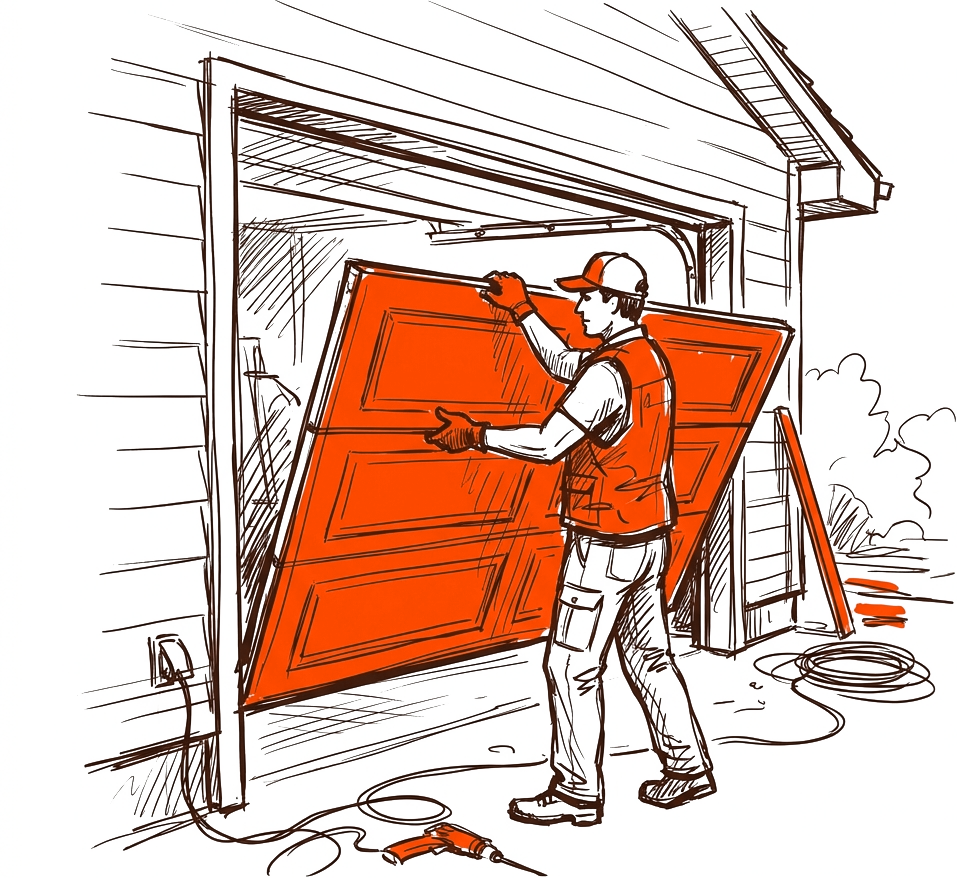
Garage door work looks simple from the street: pull up, swap a spring, adjust the opener, collect the check. But anyone who has run a crew knows the truth. One stuck job, one wrong part, one afternoon storm, and your whole day slides. The install at 2pm becomes a 4pm, the customer calls twice, and your tech is texting you from a driveway across town. Good garage door scheduling is what keeps a busy shop from turning into a fire drill every single day.
This is a contractor-to-contractor breakdown of how organized crews stay on schedule: how they build the calendar, dispatch cleanly, leave room for weather and delays, and keep everyone synced from their phones. No fluff, just what works.
Key takeaways
- A shared, real-time calendar beats a whiteboard or group text every time. Everyone sees the same day.
- Build buffers into your schedule on purpose. Springs snap, parts are wrong, and weather happens.
- Route by geography, not just by time slot, to cut windshield time and squeeze in more jobs.
- Update job status from the phone so dispatch always knows who is free without calling around.
Start With One Calendar Everyone Can See
The single biggest scheduling upgrade for most garage door shops is killing the fragmented system. If the schedule lives in your head, on a whiteboard in the shop, and in a group text, you have three versions of the truth and none of them match by noon.
A shared calendar means every tech sees the same jobs, addresses, gate codes, and notes in real time. When you move a job, it moves for everyone. When a customer reschedules, the crew knows before they drive out. This one change removes most of the daily phone tag.
- Color code by crew or job type so a full day reads at a glance.
- Attach the estimate, photos, and door specs to the job, not a separate text thread.
- Include the customer's phone number so the tech can call an ETA on the way.
- Note gate codes, dogs, and parking so nobody wastes ten minutes at the curb.
Dispatch by Geography, Not Just the Clock
A tight time slot means nothing if your tech has to cross the whole metro to make it. Windshield time is the silent killer of a garage door schedule. Two hours of driving is two jobs you did not run.
Smart dispatching groups jobs by area, then orders them by time. Morning on the north side, afternoon working back south toward the shop. When a same-day call comes in, you slot it near a job you already have out there rather than sending someone forty minutes out of the way.
Quick rule of thumb
If a new job adds more than 25 to 30 minutes of one-way drive to a tech's existing route, look for a closer crew or push it to the next day. The extra drive rarely pays.
Build Buffers On Purpose
New shops book jobs back to back and wonder why they run late by 10am. Experienced crews build slack into the day because they know the work: a torsion spring can fight you, a customer wants to add a keypad, or the opener needs a part you did not bring. Buffers are not wasted time. They are what let you absorb surprises without collapsing the schedule.
A practical approach is to pad each job with a realistic buffer and hold one flex block per crew per day for the job that inevitably runs long or the emergency call worth taking.
A worked example
Say a tech averages five jobs a day, and each job takes about 45 minutes of actual work. Without buffers, that is only 3.75 hours, and it looks like you could pack in eight jobs. But add realistic buffers and you get a schedule that actually holds:
- 45 min work + 15 min buffer = 1 hour per job on the books.
- Add 25 min average drive between jobs = about 1 hour 25 min per stop, door to door.
- Over an 8-hour day, that is roughly 5 to 6 jobs, not 8.
- Hold one 60-minute flex block. If everything runs smooth, you fill it with a same-day call and bill an extra job. If a spring job goes sideways, that block absorbs it and your 3pm still starts on time.
Booking five solid jobs that all finish clean beats booking eight and delivering four late with two angry customers.
Plan Around Weather and the Parts Problem
Garage door work lives outside. Rain, ice, and heat all change the day. You cannot control weather, but you can plan for it. When a storm is coming, front-load the outdoor and install work early and slide the indoor opener and adjustment jobs to the back half where a little rain does not stop you.
Parts are the other schedule wrecker. The wrong spring size or a missing opener bracket turns a one-visit job into two. Confirm door specs and part numbers when you book, not when the tech is standing in the garage. A quick photo of the existing setup during the quote saves a return trip more often than you would think.
- Check the forecast the night before and re-order the day if needed.
- Confirm spring size, door weight, and opener model at booking.
- Keep common parts stocked on the truck so a surprise does not become a second trip.
- Flag jobs that need special-order parts so you never promise a date you cannot hit.
Keep the Whole Crew in Sync From Their Phones
The office knowing the schedule is not enough. The crew has to update it live. When a tech marks a job started, on the way, or complete from the phone, dispatch always knows who is free without a single call. That is how you catch the same-day emergency and route it to the closest open tech in real time.
Mobile status updates also fix the customer side. An automatic on-the-way text cuts down the where-is-my-tech calls that eat your office time. Customers relax when they get a heads-up, and your phone stops ringing off the hook.
- Techs update status: en route, on site, complete.
- Notes and photos from the job attach to the record for the invoice and the file.
- Dispatch reassigns or adds a job and the tech sees it instantly.
- Customer gets an automatic ETA text without anyone typing it.
Close the Loop: Finish the Job, Get Paid, Move On
Staying on schedule is not just about the next job. It is about not carrying yesterday's work into today. When a tech can wrap the job, collect payment, and mark it done on the spot, nothing piles up. No stack of paper invoices to chase Friday night, no jobs sitting half-billed for two weeks.
The shops that run clean treat the whole flow as one motion: quote, schedule, do the work, collect, done. Each step feeds the next so the crew keeps moving and the cash keeps coming in.
If your schedule, quotes, and payments live in three different places, Brivium pulls them into one app so your crew can send branded quotes, keep the calendar synced from their phones, and take card payments before they leave the driveway.
Start free trialNone of this requires perfect days. It requires a system that flexes when the day does not go to plan. Build one calendar, dispatch by area, leave real buffers, plan for weather and parts, and keep everyone updating from the field. Do that and the 4pm slide stops being your normal.
Frequently asked questions
How many garage door jobs can one crew realistically run per day?
For most crews, 5 to 6 jobs a day is realistic once you factor in about 45 minutes of work per job, 15 minutes of buffer, and 25 minutes of drive time between stops. Packing in 8 usually leads to late arrivals.
How much buffer should I add to each garage door job?
A typical buffer is 15 minutes per job plus one 60-minute flex block per crew each day. That absorbs a stuck spring, an add-on request, or a same-day emergency without collapsing the rest of the schedule.
What is the best way to dispatch garage door jobs?
Group jobs by geography first, then order them by time so techs work an area instead of crossing town. When a new call comes in, slot it near a job the crew already has in that zone to cut drive time.
How do I stop customers from calling to ask where the tech is?
Use automatic on-the-way text updates triggered when a tech marks a job en route from their phone. Giving customers an ETA up front dramatically cuts the where-is-my-tech calls that tie up your office.