
Garage Doors
Garage Door Quoting Mistakes That Cost You Money
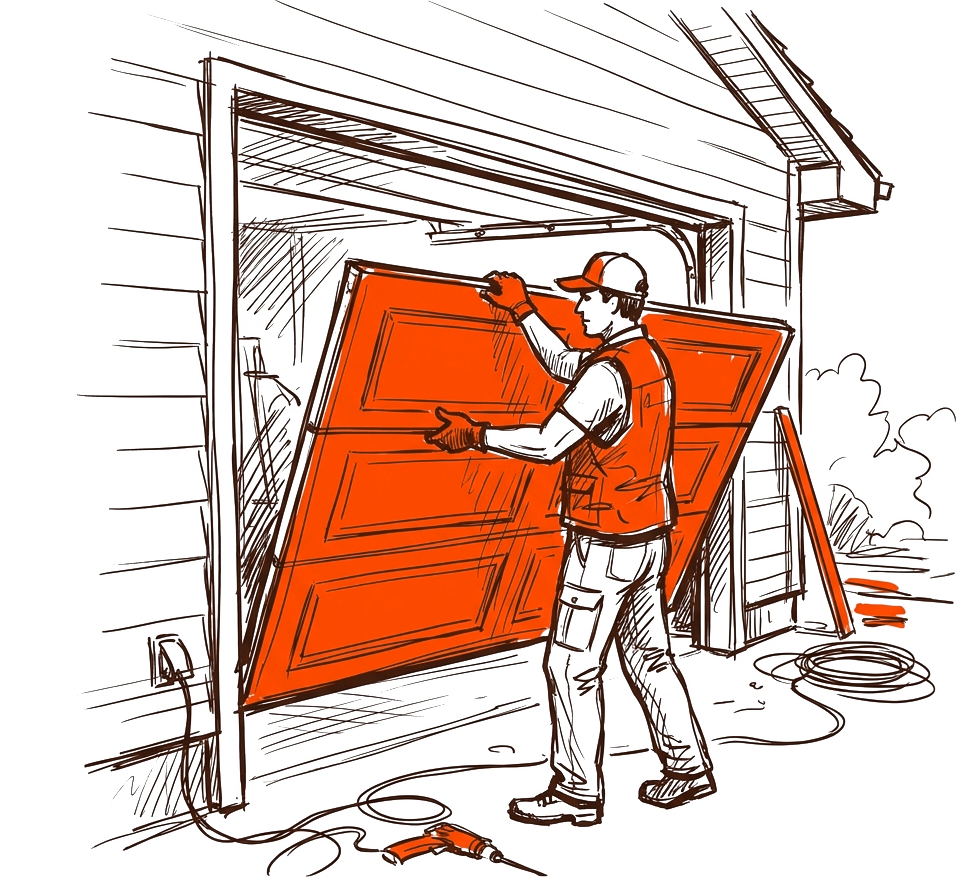
If you install and service garage doors for a living, you already know the job is only half the battle. The other half is the quote. A sloppy estimate can turn a good install into a break-even day, or worse, a loss. The frustrating part is that most quoting mistakes are quiet. You do not see them bleeding you dry on any single job, but add them up over a year and they add up to real money. Here are the most common garage door quoting mistakes we see from pros, and exactly how to fix each one.
Key takeaways
- Most lost margin comes from forgotten prep, undercounted overhead, and slow follow-up, not from losing bids on price.
- Build overhead and drive time into every quote instead of hoping the markup covers it.
- Fast, branded quotes and a required deposit protect your cash and your calendar.
- A clear line-item quote prevents scope arguments and makes upsells easier.
Mistake 1: Forgetting prep and disposal in the quote
The flashy line item is the new door or opener. The money quietly disappears in the parts nobody quotes: hauling off the old door, dealing with rusted-out hardware, re-framing a sagging jamb, running new power to an opener, or a tricky torsion spring swap on an older setup. You eat those costs because you forgot to list them, and because the customer already thinks the price is set.
The fix is a standard prep checklist you run before every quote. Make yourself answer: What are we removing and hauling? What condition is the framing and track? Is the existing power and outlet usable? Are there any access or clearance problems in the garage? If you cannot answer those from the photos or the walkthrough, the quote is not ready.
Quote the disposal, every time
Old door and spring disposal is a real cost and a real liability. Put it on the estimate as its own line so the customer sees the value and you never swallow the dump fee.
Mistake 2: Underpricing your overhead
This is the big one. Plenty of garage door pros price off material cost plus a markup and call it a day. That number covers the door, maybe your labor, and nothing else. It does not cover your truck, fuel, insurance, phone, software, the bid you lost last week, or the hour you spent driving across town for an estimate that went nowhere.
You need to know your true hourly cost to operate, then build it into every quote. Here is a simplified worked example.
- Add your monthly overhead: truck payment, fuel, insurance, phone, software, advertising, tools. Say that is 6,000 dollars per month.
- Count your real billable hours. One tech working jobs maybe 25 productive hours a week, roughly 108 hours a month.
- Overhead per billable hour: 6,000 divided by 108 equals about 56 dollars per hour, before you have paid yourself or made any profit.
- Add your labor rate and your target profit margin on top of that 56 dollars. That is your real rate.
On a typical two-hour service call, that 56 dollar overhead figure means 112 dollars of cost before parts and labor. If your quote did not account for it, that is the margin you just gave away. Run this math once and you will price with a lot more confidence.
Mistake 3: Quoting too slow
In garage door work, speed often beats price. A homeowner with a stuck door or a broken spring wants it handled now. If you take two days to send a quote, the second or third company you are competing with already booked the job. The slow quote is not just a lost deal, it is wasted drive time and a wasted estimate.
Aim to get a quote in front of the customer the same day, ideally before you leave the driveway. You can only do that if you are not building every estimate from scratch. Keep templates for your common jobs: single door install, double door install, spring replacement, opener install, and a basic tune-up. Fill in the specifics and send it.
The fortune is in the follow-up
A quote that never gets a second touch is a quote you are guessing on. One or two polite follow-ups within a week recover a surprising number of jobs that would otherwise go cold.
Mistake 4: No deposit and no clear terms
Ordering a custom door or a special-color panel on a handshake is how you end up holding inventory you cannot use and chasing a customer who ghosted. No deposit means your cash is tied up in their materials, and your crew time is at risk if they cancel.
Set a deposit policy and put it on the quote. A common structure is a deposit that covers your material cost on anything ordered-to-spec, with the balance due on completion. The exact number is up to you, but the principle holds: the customer has skin in the game before you spend yours. State clearly when payment is due and what forms you accept, so there is no awkward conversation at the end of the job.
Mistake 5: Vague, one-line quotes
A quote that just says New garage door installed: 2,400 dollars invites trouble. The customer cannot see what they are paying for, so the only thing they can do is compare your number to someone else's number. Worse, when scope creeps, you have nothing to point to. Was the extra outlet included? Was the haul-away in there? Now you are arguing instead of installing.
Line-item your quotes: door and hardware, springs, opener, labor, disposal, any framing or electrical work. It makes the price feel fair because the customer sees the work behind it. It also sets up easy upsells. When a tune-up, a smart opener, or a keypad is its own line, customers say yes to it far more often than when it is buried or never mentioned.
- Door, panels, and hardware as a line
- Springs and cables as a line
- Opener and accessories as a line
- Labor and installation as a line
- Disposal and any prep or electrical as a line
Mistake 6: Treating every job the same
A spring swap on a modern setup and a spring swap on a 30-year-old door with seized hardware are not the same job, but tired quoting treats them that way. The same goes for a clean two-car garage versus one packed to the ceiling with boxes you have to work around. When you flat-rate everything, the easy jobs subsidize the hard ones, and the hard ones kill your day.
Build quick condition tiers into your pricing. Standard access and standard condition gets your base rate. Difficult access, older hardware, or extra prep bumps it to a higher tier. You do not need a complicated matrix, just an honest adjustment so the quote reflects the real work in front of you.
Brivium helps garage door crews send branded, line-item quotes in minutes, collect a deposit or card payment on the spot, and drop the approved job straight onto the schedule, so nothing falls through the cracks between the driveway and the install.
Start free trialPutting it all together
None of these fixes are complicated. Run a prep checklist, know your true hourly overhead, quote fast with templates, take a deposit, line-item the work, and tier your pricing by difficulty. Do those six things consistently and you will protect margin on every job without raising a single sticker price. The best part is that these habits make you look more professional to the customer at the same time they make you more money.
Pick one mistake from this list that stings the most right now and fix it this week. Then move to the next. Quoting is a skill, and like any skill on the job, it gets faster and sharper every time you do it right.
Frequently asked questions
How fast should a garage door quote go out?
Same day is the goal, ideally before you leave the customer's driveway. Speed often beats price for urgent repairs, and templates for your common jobs make fast quoting realistic without cutting corners.
How much deposit should I require on a garage door job?
Enough to cover the material cost on anything ordered to spec, with the balance due on completion. State it clearly on the quote so the customer agrees before you spend your cash on their parts.
Why is my garage door business busy but not profitable?
Usually it is underpriced overhead and forgotten prep costs. Calculate your true cost per billable hour, build it into every quote, and line-item disposal and extra work so you stop swallowing those costs.
Should garage door quotes be line-itemed or a single price?
Line-itemed. Showing door, springs, opener, labor, and disposal separately makes the price feel fair, prevents scope arguments, and makes upsells like tune-ups and keypads far easier to sell.