
Garage Doors
Hiring Your First Garage Door Employee
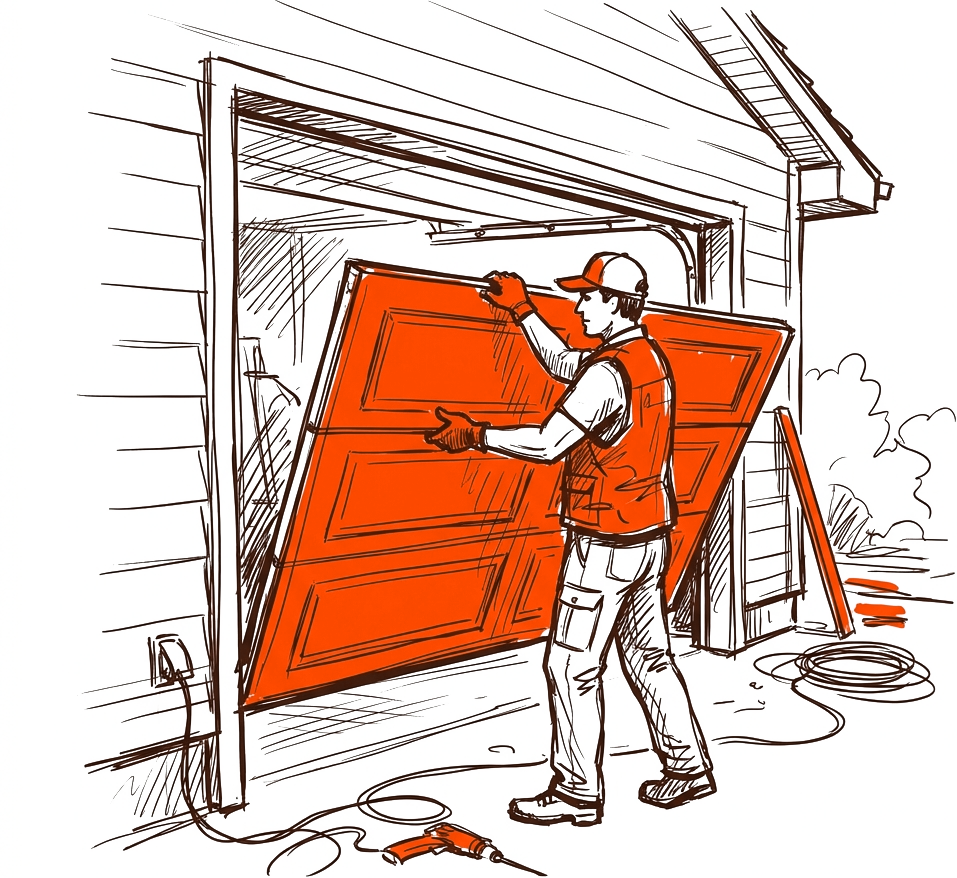
Going from a one-truck operation to a two-person crew is one of the biggest jumps you will make in a garage door business. The jobs are physical, scheduling is tight, and a bad install or a missed appointment can cost you a referral stream you spent years building. The question is not just whether you *can* hire, it is whether the numbers and the workload actually justify it, and whether you have the systems to keep two people pointed in the same direction.
Key takeaways
- Hire when you are consistently turning down or delaying paying work, not just when you feel busy.
- Delegate the repeatable, lower-risk tasks first: spring swaps, opener installs, tune-ups.
- Coordination breaks down fast with two trucks unless everyone sees the same schedule and job notes.
- A clean first hire can pay for itself inside a few months if you track the math honestly.
Know when the numbers actually justify a hire
Feeling slammed is not the same as being ready to hire. Lots of solo operators feel busy because they are doing quoting, driving, installing, invoicing, and answering the phone all at once. The real signal is simpler: you are regularly booking jobs out further than customers want to wait, or you are turning away work you could have done.
A good gut check: track how many qualified leads you lose in a month because you cannot get to them fast enough. If you are losing even a handful of real jobs a month to scheduling, that lost revenue is often enough to cover a hire.
A worked example
Say your average job nets $350 in profit after materials, and you are turning down or stalling out on 3 jobs a week because you are maxed. That is roughly 12 jobs a month, or about $4,200 in profit you are leaving on the table.
Now price the hire. A field tech or helper might run you $22 to $30 an hour in many US markets, call it $25. Fully loaded with payroll taxes, workers comp, and some insurance bump, budget closer to $33 to $38 an hour. At 40 hours a week that is roughly $5,500 to $6,500 a month in true cost.
The $4,200 in recovered jobs does not cover that alone. But a second person does not just recover lost jobs, they free *you* to run more installs or more quotes. If your own time back lets you close another 8 to 10 jobs a month, you are well past break-even. The honest version: the first hire usually only works if it unlocks your own capacity, not just theirs.
Rule of thumb
If a new hire's monthly cost is more than about 60 percent of the revenue you expect them to directly or indirectly generate, wait or hire part-time first.
Helper, tech, or subcontractor: pick the right first role
Your first hire does not have to be a seasoned installer. The three common paths:
- Helper: cheaper, rides with you, handles the heavy lifting and learns on the job. Great if you want to keep quality control but move faster.
- Experienced tech: more expensive and harder to find, but can run a second truck quickly. Only works if your systems can keep two trucks coordinated.
- Subcontractor: flexible, no payroll overhead, but less control over quality and scheduling, and you need to handle classification correctly.
For most solo owners, a helper is the safest first step. You keep the standards high, you are not betting the business on someone else's workmanship right away, and you can promote them into running their own truck once they prove out.
What to delegate first
Do not hand over your hardest or highest-liability work on day one. Start with the jobs that are repeatable, well-documented, and forgiving of a learning curve.
- Tune-ups and safety inspections: low risk, high volume, great for training.
- Opener installs and replacements: fairly standardized once they know the models you carry.
- Spring swaps on common door sizes: once they have the technique and safety habits down.
- Panel and section replacements under your supervision before they do them solo.
Hold back custom installs, tricky commercial work, and anything where a mistake damages a customer's car or home until the person has earned it. The goal is to offload volume without offloading your reputation.
Keep the quote in your hands early
Pricing and the sales conversation are where margin lives. Let your new hire run wrenches first and learn quoting later, once they understand your numbers.
Keep jobs coordinated once there are two trucks
This is where most first hires go sideways. When it was just you, the schedule lived in your head. The second a second person is in the field, that breaks. You get double-booked, parts show up at the wrong truck, and a customer gets a call from you *and* a call from your tech asking the same question.
You need one shared source of truth that both of you check from your phones. At a minimum it should show:
- Who is assigned to which job and when.
- The address, gate code, and contact number.
- Job notes: door type, measurements, parts needed, what the customer was quoted.
- Whether the deposit or payment has been collected.
A dispatcher's whiteboard or a text thread works for about a week before it falls apart. The owners who scale cleanly move to a system where quotes, scheduling, and job notes live in one place so the office view and the truck view never disagree.
Protect cash flow and the customer experience
When you add a person, your payroll is due whether or not customers paid you yet. That makes getting paid on the job more important, not less. Train your new hire to collect payment or at least a deposit before leaving, and give them a way to take a card on the spot so money is not sitting in receivables.
Customers also notice when a company grows. A branded quote, a confirmation before the appointment, and a clean invoice signal that you are a real operation, not a guy with a truck. That professionalism is often what lets you charge more and keep margin while you add headcount.
Brivium keeps quotes, scheduling, and getting paid in one place, so when your first hire hits the field you both see the same job details and nobody shows up without the parts or the deposit squared away.
Start free trialThe first 90 days: set them up to stay
Good garage door techs are hard to find and harder to keep. The first 90 days decide whether your hire sticks. Be specific about what good work looks like, ride along until you trust their quality, and give honest feedback early instead of letting bad habits set.
- Write down your standard process for the top 3 job types so training is not all verbal.
- Set a clear pay path: what it takes to run a truck solo and earn more.
- Do a quick weekly check-in on jobs, callbacks, and anything that felt off.
- Track callbacks per tech so you catch quality issues before customers do.
Hire slow, train deliberately, and keep your own hands on pricing and the customer relationship until your systems can carry the extra weight. Done right, the first employee is the move that turns a busy solo operator into an actual business.
Frequently asked questions
When should a solo garage door operator hire their first employee?
Hire when you are consistently delaying or turning away paying work, and when the recovered jobs plus your own freed-up capacity cover the fully loaded cost of the hire. Feeling busy alone is not enough.
Should my first garage door hire be a helper or an experienced tech?
For most solo owners a helper is the safer first step. It keeps quality control in your hands, costs less, and lets you promote them to running a truck once they prove out. Hire an experienced tech only if your scheduling systems can handle a second truck immediately.
What jobs should I delegate first to a new garage door employee?
Start with repeatable, lower-risk work: tune-ups, safety inspections, opener installs, and common spring swaps. Hold back custom installs, commercial jobs, and pricing until they have earned your trust.
How do I keep two garage door trucks from getting double-booked?
Use one shared schedule both of you check from your phones, with job assignments, addresses, notes, and payment status in one place. Text threads and whiteboards break down fast once more than one person is in the field.