
Garage Doors
How to Write a Garage Door Estimate That Wins the Job
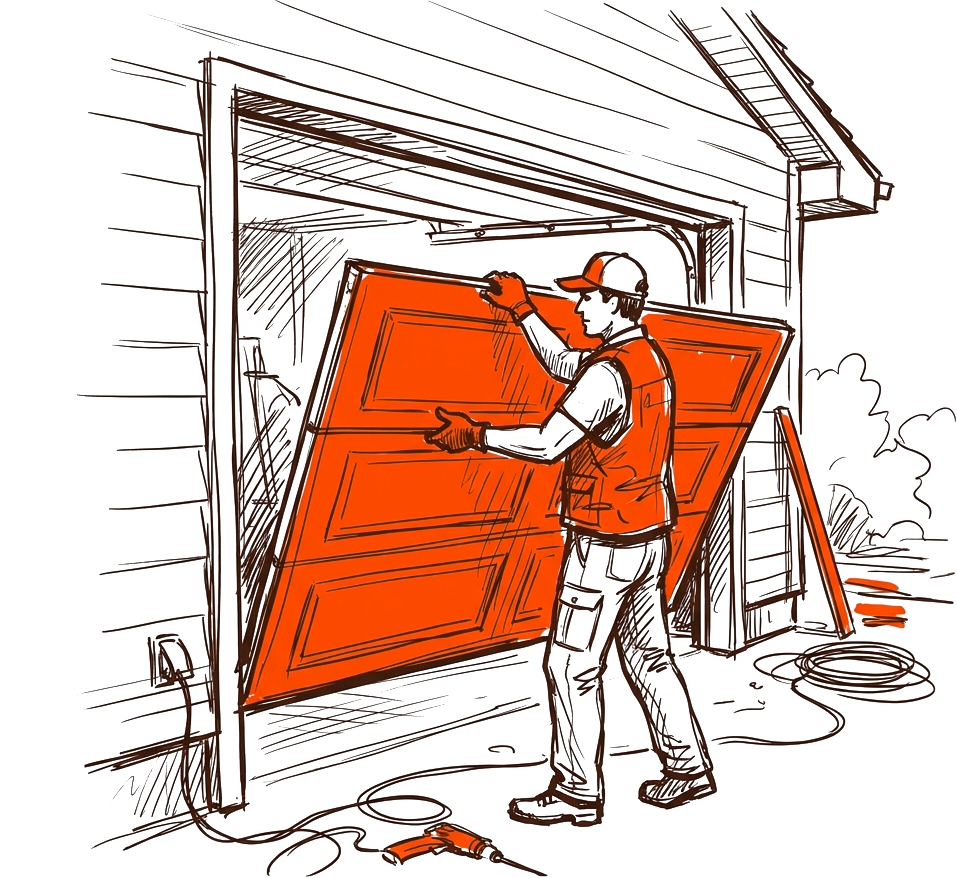
You measured the opening, checked the springs, and the customer is nodding along. Then you hand over a scribbled number on a business card or a text that says '$1,850 installed.' You just gave the job to whoever shows up with a cleaner estimate. A garage door estimate is not paperwork. It is your sales pitch on paper, and it does the closing when you are not in the room.
Here is how to build a garage door estimate that looks professional, prices the work clearly, presents smart options, and gets a deposit locked in before the customer starts shopping around.
Key takeaways
- Line-item your estimate so the customer sees exactly what they are paying for, no mystery lump sums.
- Present two or three options (good, better, best) so they choose which door to buy, not whether to buy.
- Collect a deposit up front to protect your material costs and confirm the job is real.
- A fast, branded quote sent the same day beats a slower competitor almost every time.
Why the estimate is really a sales tool
Most homeowners are not garage door experts. They cannot judge your spring cycle rating or your torsion setup. What they can judge is how organized and trustworthy your paperwork looks. A clean estimate signals that you run a real business, that you will show up, and that the price will not balloon on install day.
When your estimate is vague, the customer fills in the blanks with worry. When it is specific, they relax. That is the difference between a callback and a closed job. Treat every estimate like it is competing against two or three others, because it usually is.
What to include, line by line
Break the work into parts the customer can understand. Lumping everything into one number invites price shopping and disputes. Here is the skeleton of a strong garage door estimate:
- Your business name, license number, phone, and email at the top.
- Customer name, service address, and estimate date with an expiration (30 days is typical).
- Scope summary: one or two sentences on the job, for example 'Remove and haul old 16x7 door, install new insulated steel door with new hardware.'
- Door and materials: make, model, size, color, R-value, and window options if any.
- Hardware and parts: tracks, rollers, springs (with cycle rating), cables, and opener if included.
- Labor: removal, disposal, and installation as a clear line.
- Add-ons: keypad, smart opener, extra remotes, weather seal.
- Subtotal, tax, and total.
- Deposit due and balance due on completion.
- Warranty terms and what is not covered.
- Payment methods you accept.
Spell out the spring rating
Homeowners rarely ask, but listing a 25,000 cycle spring versus a builder-grade 10,000 cycle spring shows you are not cutting corners. It also justifies a higher price against a lowball bid.
Present options instead of one price
When you give one number, the customer's only decision is yes or no, and no is easy. When you give options, the decision shifts to which one, and that is a much easier yes. Offer a good, better, best layout.
- Good: standard non-insulated or single-layer steel door, basic hardware, existing opener reused.
- Better: insulated steel door, upgraded rollers and springs, new opener.
- Best: premium insulated or carriage-style door, smart opener, keypad, extra remotes, upgraded seal package.
Most people avoid the cheapest and the most expensive, so a well-built middle option becomes your default sale. You are steering without pushing.
A worked numeric example
Say a homeowner needs a standard 16x7 double garage door replaced. Here is how a clean middle-tier estimate might read:
- Insulated steel door, 16x7, almond, model listed: $1,150
- New torsion springs, 25,000 cycle, pair: $180
- New rollers, cables, and hardware: $120
- Remove and haul away old door and hardware: $95
- Installation labor: $350
- Subtotal: $1,895
- Sales tax (example 7%): $132.65
- Total: $2,027.65
- Deposit due at signing (35%): $709.68
- Balance due on completion: $1,317.97
Notice how the labor and disposal are their own lines. If the customer pushes back on price, you can point to exactly what they are paying for instead of defending a single blurry number. And when they compare you to a competitor's lump-sum '$1,900 installed,' your detail makes you look like the pro.
Deposits and payment terms that protect you
You are ordering material and blocking a day on the calendar. A deposit confirms the customer is serious and covers your out-of-pocket costs if they back out. A deposit in the 30 to 50 percent range is typical for door replacements, higher when the door is a special order that you cannot resell.
Put your terms in writing on the estimate itself:
- Deposit amount and when it is due (usually at signing or before ordering).
- Balance due and when (typically on completion, same day).
- Special-order and restocking notes, so a cancellation is not your loss.
- Accepted payment methods, including card, so nobody stalls on 'I need to get to the bank.'
Make paying easy
The faster and easier it is to pay a deposit, the faster the job is locked. If a customer has to write a check and mail it, you have given them three days to change their mind. Take the card on the spot.
Speed and branding win the job
The estimate that arrives first, looks clean, and carries your logo usually wins. Customers reward responsiveness because it predicts how you will handle the actual job. If you are still typing quotes by hand at 9 pm, you are losing work to whoever hit send at 4 pm from their truck.
Aim to send the estimate before you leave the driveway or within a couple hours of the site visit. A branded PDF with your colors and logo beats a text message every time. And when the customer says yes, the same tool should let them approve, pay a deposit, and drop onto your schedule without a dozen phone tags.
Brivium lets you build a branded garage door estimate on-site, take the deposit by card, and drop the job straight onto your schedule, so a yes turns into booked work in minutes.
Start free trialCommon mistakes to avoid
- Lump-sum pricing with no breakdown. It invites doubt and price shopping.
- No expiration date. Material prices move, so cap the quote at 30 days.
- Skipping the deposit. You end up financing a customer who may ghost you.
- No warranty language. Vague warranties cause disputes and bad reviews.
- Sending it late. A day of delay hands the job to a faster competitor.
Fix these and your close rate climbs without lowering a single price. A better estimate is the cheapest sales upgrade you can make.
Wrap-up
Your estimate is the first real proof of how you do business. Make it specific, give options, ask for a deposit, and get it in the customer's hands fast with your name on it. Do that consistently and you will win more jobs at healthier prices, without dropping to the bottom of the market.
Frequently asked questions
How much should I charge for a garage door estimate?
Most garage door companies offer free estimates for replacements and new installs, since the visit doubles as a sales opportunity. Some charge a diagnostic fee for repair calls, often applied to the final bill if the customer moves forward.
What deposit should I ask for on a garage door job?
A deposit of 30 to 50 percent is typical for door replacements. Go higher for special-order doors you cannot resell, since that protects your material costs if the customer cancels.
How long should a garage door estimate be valid?
About 30 days is common. Material and steel prices move, so an expiration date protects you from honoring an old number after your costs have gone up.
What is the best way to present pricing options?
Use a good, better, best layout with two or three tiers. This shifts the customer's decision from whether to buy to which option to buy, and most people choose the middle tier.