
Electrical
How to Write a Electrical Estimate That Wins the Job
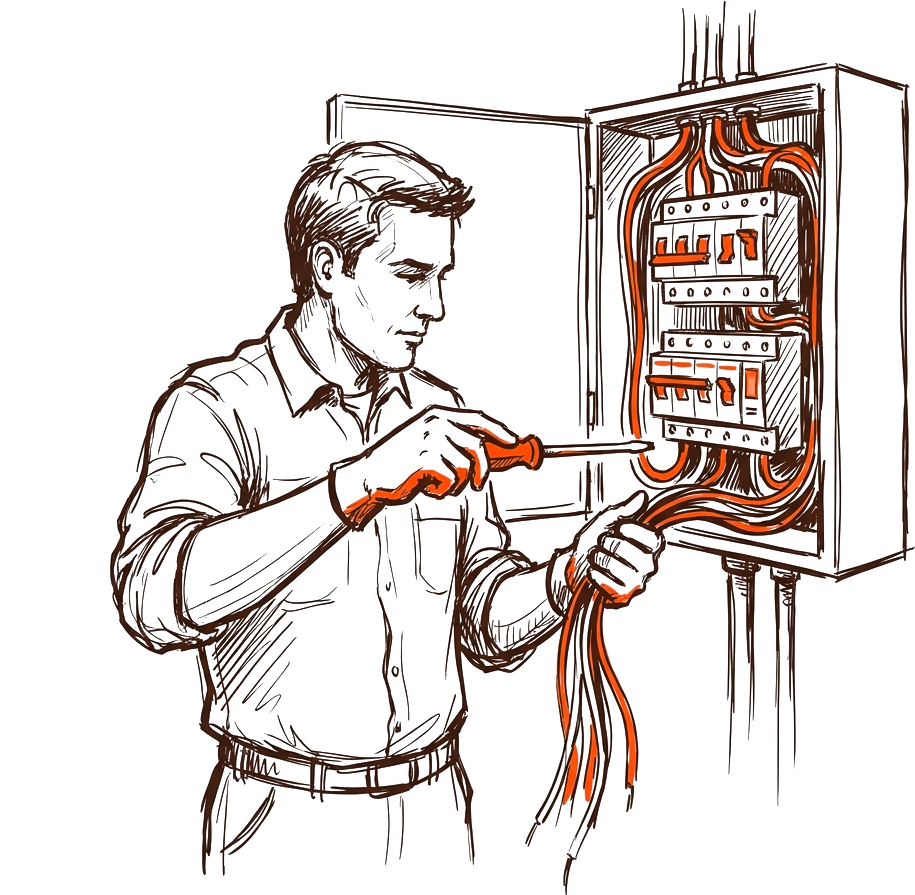
An electrical estimate does two jobs at once. It tells the customer exactly what they are buying, and it tells them who you are. A sloppy, one-line number makes you look like a coin flip. A clean, itemized quote that shows up fast makes you look like the pro who has done this a hundred times. The good news: writing a winning estimate is a repeatable system, not a talent. Here is how to build one that closes.
Key takeaways
- Itemize labor, materials, permits, and any allowances so the customer sees value instead of just a total.
- Offer 2-3 clear options (good/better/best) to raise your average ticket without hard selling.
- Ask for a deposit on anything with material cost or scheduled labor, and put terms in writing.
- Speed and presentation matter: a fast, branded quote often beats a cheaper, slower one.
Start with scope, not price
Before you type a dollar amount, write the scope in plain language. The customer needs to understand what is included, and just as important, what is not. Ambiguity is where change orders turn into arguments and reviews go sideways.
A solid scope answers three questions: what work you will perform, what the customer is responsible for, and what conditions your price assumes. For example: panel upgrade to 200A service, including new meter base, main breaker, and up to 20 circuits transferred. Then note assumptions like existing wiring is in usable condition, and drywall repair is by others.
Protect yourself with assumptions
List your assumptions right on the estimate. If you find aluminum wiring or a buried junction box that was not accessible, your written assumption is the reason a change order is fair, not a fight.
Build the line items so value is obvious
Customers do not fear spending money. They fear spending money on something they do not understand. Line items are how you make the value visible. You do not have to expose your exact markup, but you should break the job into pieces a homeowner or GC can follow.
A clean structure most electrical jobs can use:
- Labor: crew hours by task, or a flat labor line per phase of work.
- Materials: panels, breakers, wire, devices, fixtures, and fittings.
- Permits and inspection fees: pass-through costs, called out separately.
- Allowances: a set dollar amount for items the customer still needs to pick, like fixtures.
- Trip or mobilization: if the site is far or needs multiple visits.
Keep descriptions specific. "Install 4 recessed LED cans in kitchen ceiling, including wiring and dimmer switch" reads far better than "lighting work." Specific line items also reduce price shopping, because the customer cannot easily compare your detailed quote to a competitor's vague number.
A worked example
Say a homeowner wants a 100A to 200A service upgrade plus two added circuits for a garage. Here is how a clean estimate might look:
- Labor (service upgrade, 1.5 days, 2 electricians): $2,400
- 200A meter/main panel and breakers: $1,150
- Two 20A garage circuits, wire and devices: $480
- Permit and utility coordination: $350
- Mobilization: $150
Subtotal: $4,530. Add a fixture allowance if needed, apply your sales tax where required, and present the total clearly at the bottom. Notice how the customer can see the panel cost, the permit cost, and the labor separately. If they ask to trim the price, you have a real conversation: drop the second garage circuit, or supply their own devices. That beats slashing your total and eating the margin.
Present options instead of one number
When you give a single price, the only decision is yes or no, and the only lever is cheaper. When you give options, the decision becomes which one, and your average ticket climbs. Three tiers work well for most electrical work.
- Good: meets code and solves the immediate problem. The lowest responsible price.
- Better: adds value the customer will actually notice, like surge protection, tamper-resistant outlets, or extra circuits for future capacity.
- Best: the complete solution, including whole-home surge protection, upgraded fixtures, or a small generator interlock.
Most customers pick the middle. You are not tricking anyone. You are giving people a real choice and letting them self-select the value they want. Present all three on one page so the comparison is easy.
Set deposit and payment terms up front
On any job with meaningful material cost or dedicated scheduled labor, ask for a deposit. It filters out tire kickers, funds your materials, and signals that you run a real business. Typical deposits run in the 25 to 50 percent range depending on job size and material cost.
Put your terms in writing on the estimate itself:
- Deposit amount and when it is due (usually at acceptance).
- Progress payment for larger jobs, tied to a milestone like rough-in passing inspection.
- Final balance due on completion, not net 30, unless you have agreed otherwise.
- Accepted payment methods, including card, so nobody stalls waiting on a check.
Make yes easy
The faster a customer can approve and pay a deposit, the fewer deals you lose to the next contractor. An estimate they can accept and pay from their phone converts better than a PDF they have to print, sign, and mail back.
Speed and presentation win the job
Here is the honest truth from the field: the first professional-looking estimate through the door wins a large share of jobs, even when it is not the cheapest. Homeowners often take the quote that arrives same-day over the one that shows up three days later, because fast and organized reads as reliable.
So your estimate should be branded with your logo and license number, easy to read on a phone, and delivered while the customer still remembers the walkthrough. Templating your common jobs (service upgrades, panel swaps, EV chargers, remodels) cuts your quoting time to minutes without cutting quality.
With Brivium, you can send a clean, branded electrical estimate from the truck, let the customer accept and pay a deposit by card on their phone, and drop the approved job straight onto your schedule.
Start free trialWin the job on clarity and speed, protect your margin with itemized options, and lock in the work with a deposit. Do that consistently and your close rate climbs without dropping a single price.
Frequently asked questions
What should every electrical estimate include?
A clear scope, itemized labor and materials, permit and inspection fees, any allowances, your assumptions, deposit and payment terms, and a total with tax where required. Add your license number and logo to look professional.
How much deposit should I ask for on an electrical job?
Typical deposits range from 25 to 50 percent depending on job size and material cost. Ask for enough to cover materials and signal commitment, with the balance due at completion or tied to milestones on larger jobs.
Should I give one price or multiple options?
Offer 2-3 options, like good, better, and best. It shifts the decision from yes/no to which one, raises your average ticket, and gives customers a real choice instead of only a cheaper alternative.
How fast should I send an electrical estimate?
As fast as you can, ideally the same day. The first clean, professional quote often wins the job even if it is not the lowest price, because speed and organization signal reliability.