
Pool Service
The Best CRM for Pool Service Businesses
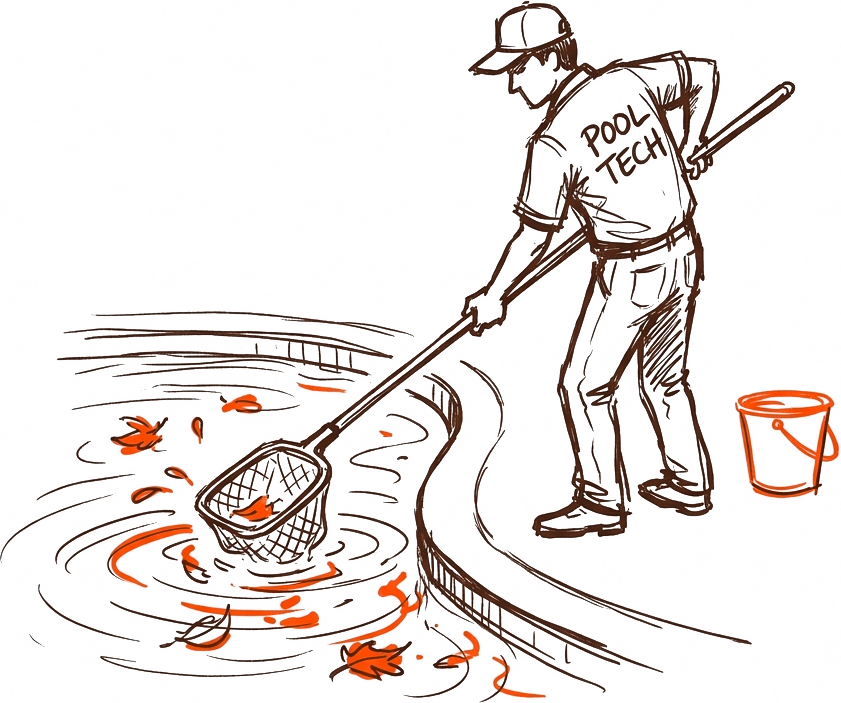
If you run a pool service business, you already know the paperwork can eat your evenings. Between recurring maintenance routes, one-off repair quotes, chemical readings, and chasing invoices, the admin side quietly steals hours you could spend on the truck or with family. The right CRM pulls all of that into one place. This guide walks through what actually matters when picking the best CRM for pool service, the honest tradeoffs, and where a tool like Brivium fits.
Key takeaways
- The best CRM for pool service handles recurring routes, quotes, invoicing, and card payments without duct-taping five apps together.
- Getting paid faster is where most pool pros see the biggest return, so prioritize integrated payments and automatic reminders.
- A separate business phone line keeps your cell private and makes your operation look bigger than a one-truck shop.
- Simple and used beats powerful and ignored. Pick software your crew will actually open on a wet phone screen.
Why pool service needs a different kind of CRM
Most generic CRMs were built for salespeople tracking deals, not for a tech running 18 stops a day. Pool service has its own rhythm: recurring weekly or biweekly maintenance, seasonal ramp-ups in spring and summer, plus repair jobs that pop up when a pump dies. You need software that treats a route as a first-class citizen, not an afterthought. That means recurring scheduling, easy job notes for chemistry and equipment, and a way to bill both flat monthly service and one-time repairs without confusing the customer.
The other reality: your crew is working with wet hands, gloves, and a phone that has been dropped in the deep end more than once. If the app takes ten taps to log a service or send a quote, it will not get used. Simplicity is a feature, not a compromise.
The core features that actually matter
Ignore the long feature checklists for a second. For a pool business, five things carry most of the weight. Get these right and the rest is nice-to-have.
Quotes that look professional
When a homeowner asks for a filter replacement or a green-to-clean, you want to send a clean, branded quote from your phone before you leave the driveway. Branded quotes get approved faster than a handwritten number on a business card, and they set your price so there is no confusion later.
Scheduling built for recurring routes
Look for recurring job templates so you set up a weekly maintenance customer once and it repeats. You also want quick drag-and-drop rescheduling for the days it rains or a tech calls out. Route awareness helps too, since bouncing across town wastes fuel and hours.
Invoicing and card payments in one flow
This is the money-maker. When the job wraps, you want the invoice to fire automatically and the customer to be able to pay by card or bank transfer with a tap. Every extra step between finishing work and getting paid is a chance to get paid late, or not at all.
A business phone line
A dedicated business line keeps texts and calls separate from your personal number. It also means anyone on the team can cover the phone, and you keep a record of customer conversations. For a growing shop, that separation is worth a lot when you eventually hand the phone off.
Something that keeps you organized
Call it an AI coach or a nudge system, the point is the same: a tool that flags the quote you forgot to follow up on and the invoice that is 30 days overdue. Pool pros lose real money in the cracks, not on the big jobs.
A quick worked example: what slow invoicing costs you
Let us make the payment point concrete. Say you run 120 recurring maintenance accounts at an average of 150 dollars a month, plus roughly 6,000 dollars a month in repairs. That is about 24,000 dollars in monthly billing.
With paper invoices or manual follow-up, it is common for a chunk of your billing to sit unpaid past terms. Imagine 15 percent drifts 30-plus days late. That is 3,600 dollars tied up every month, which is cash you cannot use for chemicals, payroll, or a new truck.
Now switch to automatic invoicing with card payments and reminders. If that simple change gets you paid a week or two faster and cuts late balances in half, you free up roughly 1,800 dollars in working capital per month and spend far less time chasing checks. The software basically pays for itself before you count the time saved.
Contractor math
Getting paid faster is usually a bigger win than shaving a few dollars off a monthly subscription. Compare tools on how fast they move cash, not just sticker price.
Honest tradeoffs to weigh
No tool is perfect, so go in with clear eyes. Here are the real tensions.
- All-in-one versus best-in-class: One app that does quotes, scheduling, invoicing, payments, and phone is simpler and cheaper to run than five specialist tools, but a dedicated route-optimization app might squeeze out a bit more efficiency. For most shops, the simplicity wins.
- Power versus adoption: Enterprise field-service platforms have deep features, but they can overwhelm a small crew and cost more than you need. If your team will not use it, the features do not matter.
- Payment fees: Integrated card payments carry processing fees, typically in the low single-digit percentage range. That is a real cost, but usually cheaper than the hidden cost of late and unpaid invoices.
- Switching effort: Moving customer data and routes into a new system takes a weekend of setup. Budget for it, then never think about it again.
Where Brivium fits
Brivium is an all-in-one CRM built for US trade and field-service businesses, which puts pool service right in its lane. Instead of stitching together a scheduler, a payment processor, an invoicing app, and a second phone number, you get quotes, scheduling, job tracking, invoices, card payments, a business phone line, and an AI coach in one place.
For a pool operation, that means you can build a recurring route, log service on-site, send a branded quote for the repair you spotted, and have the invoice go out and get paid by card, all without leaving the app. The AI coach nudges you on the quotes and invoices sitting too long, so fewer dollars slip through the cracks.
It will not replace a dedicated chemical-tracking science lab or a giant enterprise dispatch suite, and that is fine. For most one-truck to ten-truck pool businesses, having the whole workflow in one honest, easy tool beats juggling a stack of apps.
If you want your route, branded quotes, and getting paid to live in one place, Brivium is built to handle exactly that for pool service crews.
Start free trialHow to choose without overthinking it
Do not get stuck comparing 40 feature bullets. Run this short test before you commit.
- Set up one recurring maintenance customer and confirm it repeats correctly on the calendar.
- Send yourself a branded quote from your phone and see how it looks to a customer.
- Create an invoice, pay it by card, and time how long the whole thing takes.
- Add your business number or line and text a customer, keeping it off your personal cell.
- Hand the app to your least tech-savvy tech and watch. If they can log a service without help, you have a winner.
Whatever you pick, the goal is the same: fewer apps, faster payments, and evenings back. That is the real return on a good CRM for pool service.
The bottom line
The best CRM for pool service is the one your crew actually uses that also gets you paid faster. Prioritize recurring scheduling, branded quotes, integrated invoicing and card payments, and a business line, then weigh the honest tradeoffs on price and adoption. If you want all of that under one roof with an AI coach keeping you honest on follow-ups, Brivium is a strong fit for a growing pool operation.
Frequently asked questions
What features matter most in a CRM for pool service?
Recurring route scheduling, branded quotes, integrated invoicing with card payments, and a dedicated business phone line. Those handle the daily grind and, most importantly, get you paid faster.
Is an all-in-one CRM better than separate apps for pool businesses?
For most one-truck to ten-truck shops, yes. One app is simpler to run and cheaper than stitching together a scheduler, payment processor, invoicing tool, and second phone number, and your crew is more likely to actually use it.
How does a CRM help me get paid faster?
By firing off an invoice automatically when a job wraps, letting customers pay by card or bank transfer with a tap, and sending reminders on overdue balances. That can free up meaningful working capital each month.
Do I really need a separate business phone line?
It is worth it as you grow. A business line keeps your personal cell private, lets anyone on the team cover calls and texts, and keeps a record of customer conversations in one place.